How to Locate and Lock Your Windows 11 Device Remotely

You can locate and lock your Windows 11 device remotely using the built-in “Find my device” feature.
This security tool allows you to track your PC’s location on a map and remotely lock it to prevent unauthorized access to your personal data. It’s your digital safeguard against data breaches if your laptop is lost or stolen.
To use this feature, your Windows 11 device must be running Windows 11, signed in with a Microsoft account, and have the “Find my device” setting enabled before it goes missing. You’ll also need an active internet connection for both your device and the one you use to track it.
What Happens When You Lock Your Device?
When you trigger a remote lock, Windows 11 immediately signs out all active users. The system disables the login screen, effectively freezing the device. A custom message you provide will appear on the screen, which is helpful if a kind person finds your lost laptop. Your data remains encrypted, especially if you use BitLocker, but the device becomes unusable to anyone without your credentials.
Pre-requisites: Setting Up for Success
You cannot lock a device if you haven’t prepared it first. [Admin Privilege Required] You must ensure the following settings are active before an emergency occurs:
- Sign in with a Microsoft account (Local accounts do not support remote tracking).
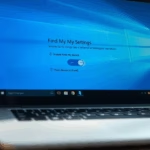
- Enable ‘Find My Device’ in Settings > Privacy & security > Find my device.
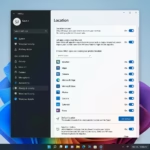
- Turn on Location Services.
- Ensure the device is connected to the internet.
Consumer vs. Enterprise Management
There is a big difference between how home users and businesses manage devices. Home users rely on the Microsoft account portal. Businesses use tools like Microsoft Intune or SCCM. These enterprise tools use DeviceLock CSP to enforce security policies. If your work computer is managed by an IT department, you may not see the ‘Lock’ button in your personal Microsoft account because your company controls those security rights.
Troubleshooting: Why is the Lock Button Grayed Out?
If you see a grayed-out lock button, check these common issues:
- Offline Status: The device must be connected to the internet to receive the lock command.
- Account Type: You are not logged in with an administrator account.
- Managed Device: Your device is joined to a corporate domain, meaning your IT administrator manages security, not you.
- Location Disabled: If location services were off, the server cannot verify the device’s status.
How to Locate and Lock Your Device
Follow these steps to secure your machine via the Microsoft Device Management portal:
- Log in to your Microsoft account on a separate device.
- Navigate to the Devices tab.
- Select your missing computer from the list.
- Click Find my device.
- Select Lock and follow the prompts. [Admin Privilege Required]
Summary
Remote locking is a vital feature for Windows 11 security. By ensuring your Microsoft account is linked and ‘Find My Device’ is enabled, you gain a powerful tool to protect your data. Remember, this requires an active internet connection and administrative rights. Always check your account settings today to ensure you are prepared for the unexpected.
Can I lock my PC if it is offline?
No. The remote lock command requires an active internet connection to reach your device. If your laptop is offline, the command will stay in a pending state. It will execute automatically the moment the device connects to a Wi-Fi or cellular network.
What is the difference between remote lock and remote wipe?
A remote lock simply prevents access to the desktop while keeping your files intact for when you recover the device. A remote wipe is a permanent security measure that deletes all your personal data and resets the device to factory settings. Use wipe only if you are certain the device is unrecoverable.
Was this guide helpful?

About the Author
Richard
Tech Writer, IT Professional
Richard, a writer for Geek Rewind, is a tech enthusiast who loves breaking down complex IT topics into simple, easy-to-understand ideas. With years of hands-on experience in system administration and enterprise IT operations, he’s developed a knack for offering practical tips and solutions. Richard aims to make technology more accessible and actionable. He's deeply committed to the Geek Rewind community, always ready to answer questions and engage in discussions.

No comments yet — be the first to share your thoughts!