How to Enable or Disable Windows 11 Services


Windows 11 services are background programs that start automatically when you turn on your PC to manage core tasks like security features and network connections. Over 200 of these background tasks run at any given time to keep your system working properly.
You can turn individual services on or off to stop unwanted background activity or fix performance problems. Disabling a service stops it from starting with Windows, while enabling it makes sure the feature is ready when you need it.
Open the Services app by searching for “Services” or running “services.msc”. Double-click a service, change its “Startup type” to Automatic or Disabled, then click Apply. You can also use `sc.exe` in Command Prompt as an administrator.
Safety First: Creating a System Restore Point
Creating a system restore point before you enable disable Windows 11 services protects your computer against boot loops and system crashes. You can easily revert your computer to its previous working state using this saved backup if a service tweak goes wrong. Press the Win, type Create a restore point, and open the System Properties window to set up your restore point before changing any background tasks.
- Press the Win and type Create a restore point.
- Select the drive (usually 📁C:\
) and click Configure to make sure protection is turned on. - Click Create and give your restore point a name.
Understanding Service Startup Types
Windows 11 service startup types control when background programs start running and how they use your computer's memory. Automatic starts running right when you turn on your PC, manual waits for an app to ask for it, and disabled stops the service from running at all. Knowing these modes helps you configure background apps properly when you want to enable disable Windows 11 services for better speed.
Windows 11 service startup types control when background programs start running and how they use your computer's memory. Automatic starts running right when you turn on your PC, manual waits for an app to ask for it, and disabled stops the service from running at all. Knowing these modes helps you configure background apps properly when you want to enable disable Windows 11 services for better speed.
* **Automatic:** The service starts when you turn on your computer. * **Automatic (Delayed Start):** The service starts shortly after your computer finishes booting up, helping things run smoothly. * **Manual:** The service only starts when an app needs it. * **Disabled:** The service is completely turned off and won't run.- Automatic: The service starts as soon as you turn on your computer.
- Automatic (Delayed Start): The service starts shortly after the computer finishes booting up to keep things running smoothly.
- Manual: The service only starts when you open an app that needs it.
- Disabled: The service is turned off completely and will not run.
How to Manage Services in the Services App
The Services app gives you a graphical menu to enable disable Windows 11 services without using complicated command lines. You can open this built-in tool instantly by pressing the Windows key, typing services, and pressing Enter. Once the window appears, double-click any item in the list to change its startup type or stop it from running in the background.
Press the Windows key, type Services, and press Enter to open the app. You can also press the Windows key + R to open the Run dialog box, type `services.msc`, and press Enter:
After opening the Services window, find the specific service like "Windows Update" that you want to change. Double-clicking the "Windows Update" service name opens its properties window, which lets you adjust the service's settings.
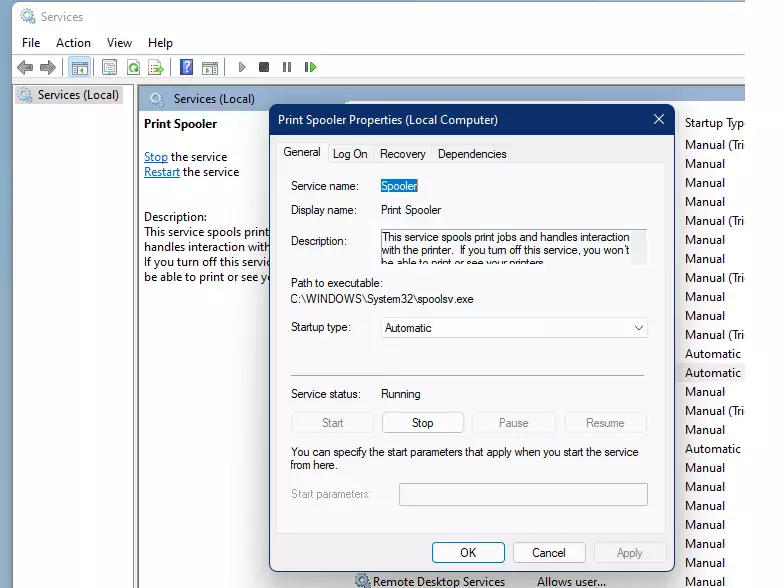
If other services rely on the one you are disabling, those features will stop working too.
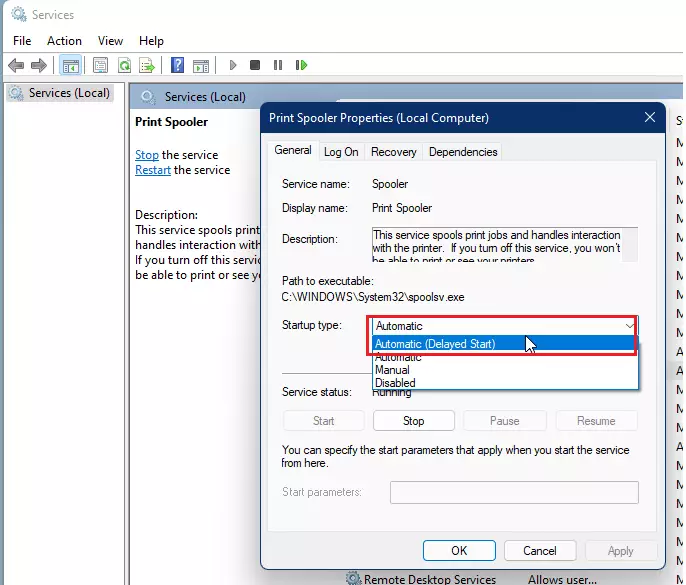
To turn on a Windows 11 service, change the service's 'Startup type' setting to Automatic or Automatic (Delayed Start). Then, click Apply, followed by OK. To begin the service immediately, select the Start button within the same service window.
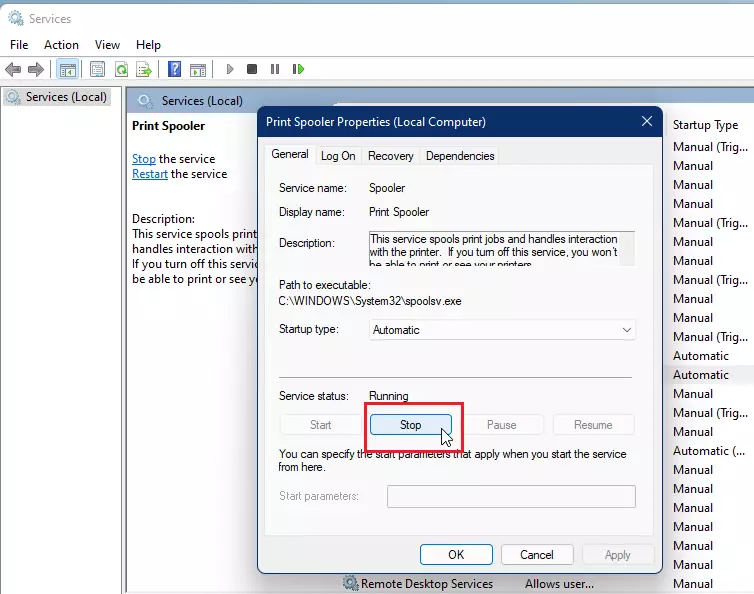
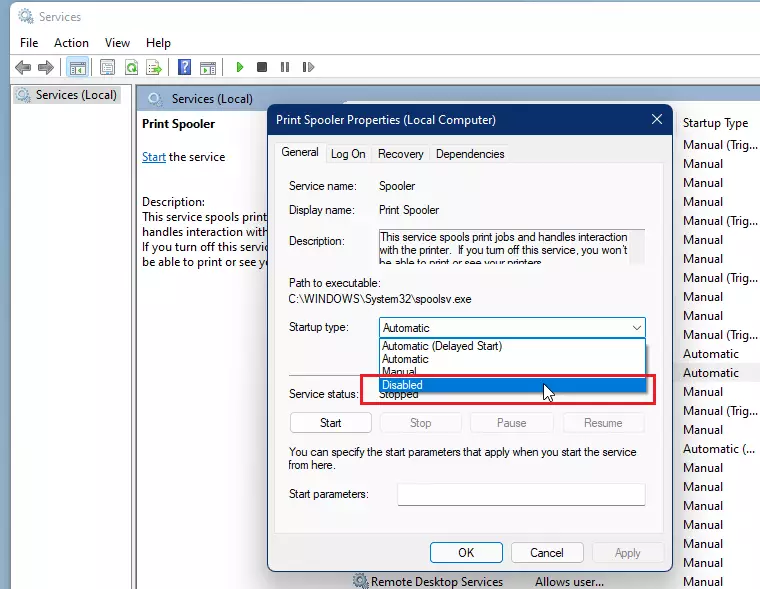
Managing Services via Command Prompt
Command Prompt lets you enable disable Windows 11 services quickly using text commands instead of clicking through menus. You run specific commands with administrator rights to change whether a background program starts automatically or stays turned off. This method works well if you want to script multiple changes or fix a computer that will not boot normally.
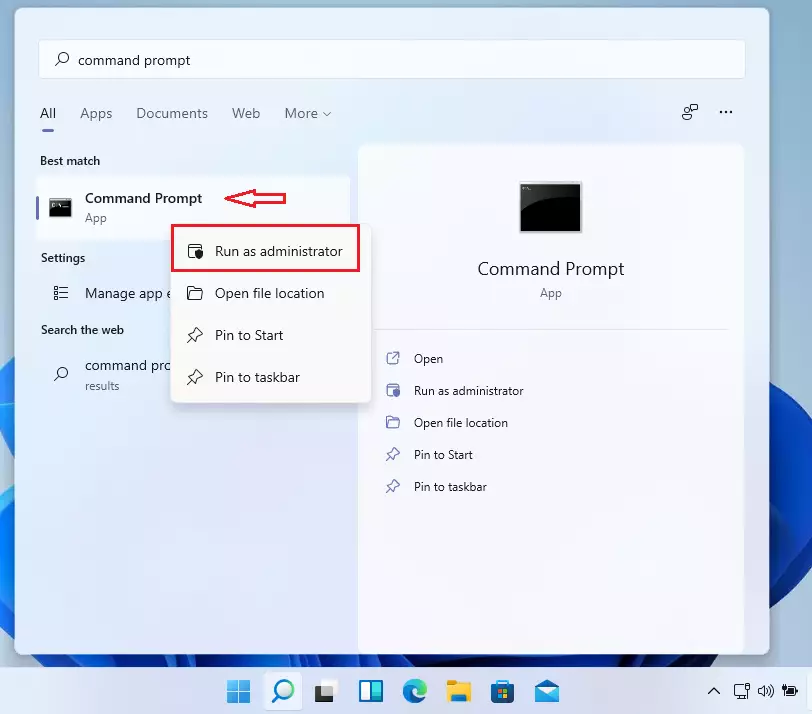
Use these commands to change a service (replace "ServiceName" with the actual name):
sc config "ServiceName" start= auto
sc config "ServiceName" start= delayed-auto
sc config "ServiceName" start= demand
sc config "ServiceName" start= disabled
Registry Editor Method
You can also change services using the Registry Editor. Be cautious: Incorrect changes in the Registry Editor can damage your system. Navigate to HKEY_LOCAL_MACHINE\SYSTEM\CurrentControlSet\Services to locate the keys for each service. To disable a service, change its Start value to 4.
Best Practices for Optimization
Optimizing your computer requires careful choices when you enable disable Windows 11 services to avoid breaking core operating system features. You can safely turn off background tasks for hardware you do not use, like printers or fax machines, while leaving Windows Update and security software running. Always research a specific background task before changing it to make sure your apps and games keep working correctly.
Office software services function best with most settings unchanged. You should only turn off specific Office software services when you are completely sure the related hardware or software features, like a printer connection in Windows 11, are not required.
Summary
Managing Windows 11 services gives you a powerful way to improve performance. By understanding startup types, checking dependencies, and creating restore points, you can customize your system safely. Always remember that disabling the wrong service can lead to system instability.
Was this guide helpful?

About the Author
Richard
Tech Writer, IT Professional
Richard is a writer at Geek Rewind who turns complex IT tasks into clear, step-by-step guides. He draws on years of hands-on experience in system administration and enterprise IT operations, focusing on Windows, Linux and WordPress: the problems people actually run into, and the fixes that work. His server and WordPress guides come from systems he runs himself. Richard builds and maintains the platform behind Geek Rewind, from its Ubuntu servers and Nginx configuration to its custom WordPress plugins. Many new tutorials start with readers' questions, and he's always glad to answer them in the comments.




No comments yet — be the first to share your thoughts!