How to Change your Microsoft Account Password

You can change your Microsoft account password directly from the Windows Settings app or through a web browser on the Microsoft account website.
Your Microsoft account acts as your primary login for Windows 10 and Windows 11, syncing settings, OneDrive files, and Xbox services across devices. Keeping this password secure is vital for protecting your digital life.
This guide explains how to update your Microsoft account password when you already know your current one. For instance, you might want to change it after a security alert or simply as part of your regular password hygiene, especially if you haven’t changed it in over six months.
Getting Started: Signing In
First, you need to go to the place where you manage your Microsoft account. This is like the main control center for your personal Microsoft information and security.
Open your web browser. Any browser works – Chrome, Firefox, Edge, Safari, etc.
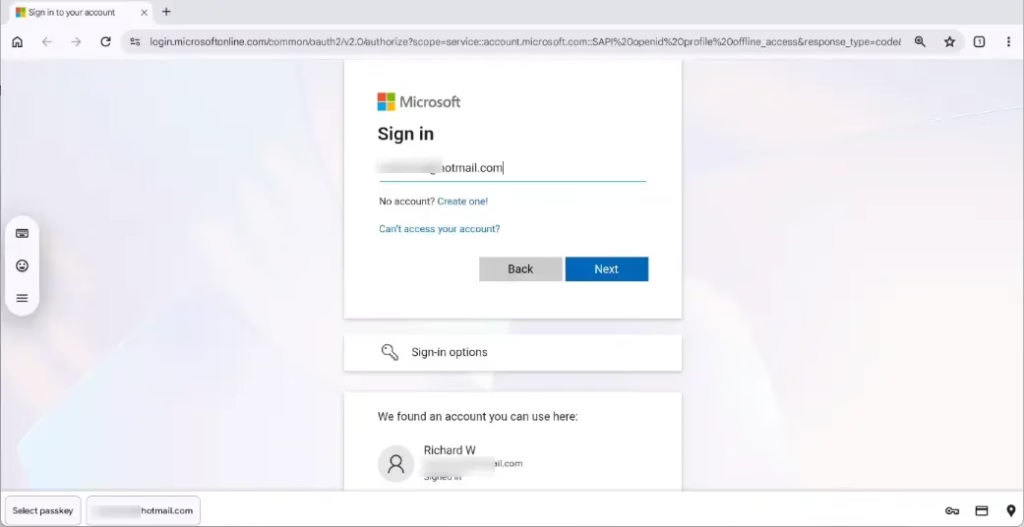
Go to the Microsoft account website. Type account.microsoft.com into your browser’s address bar and press Enter. This is the official site where you manage your account.
Sign in. You’ll be asked for your Microsoft account email address (like your Outlook.com, Hotmail.com, or Live.com address) and your current password. Make sure you type this correctly. Check for any mistakes!
Navigating to the Security Settings
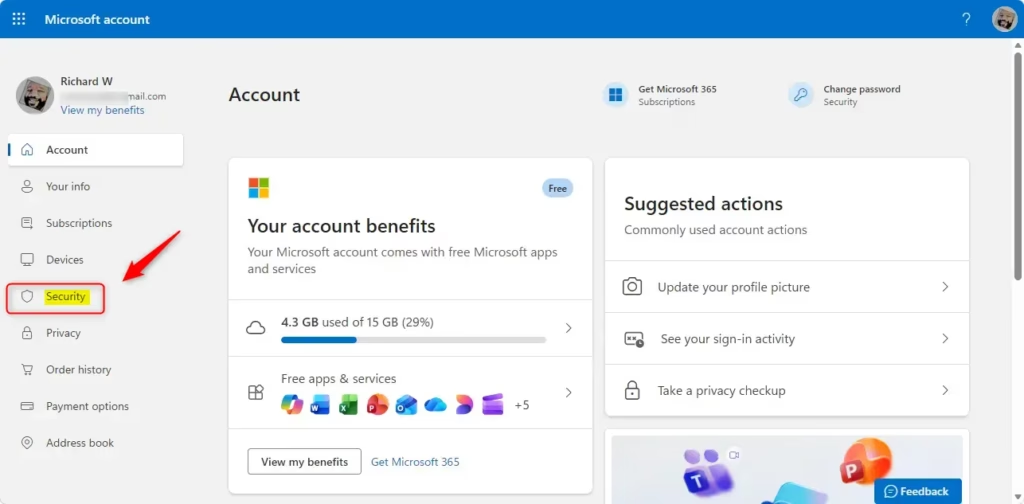
Once you’re logged in, you’ll see a main page with different options for managing your account. You need to find the section for security, because that’s where you can change your password.
Find the “Security” tab or link. On the main account page, look for a menu. It’s usually at the top or on the left side. Look for an option called “Security.” Click on it.
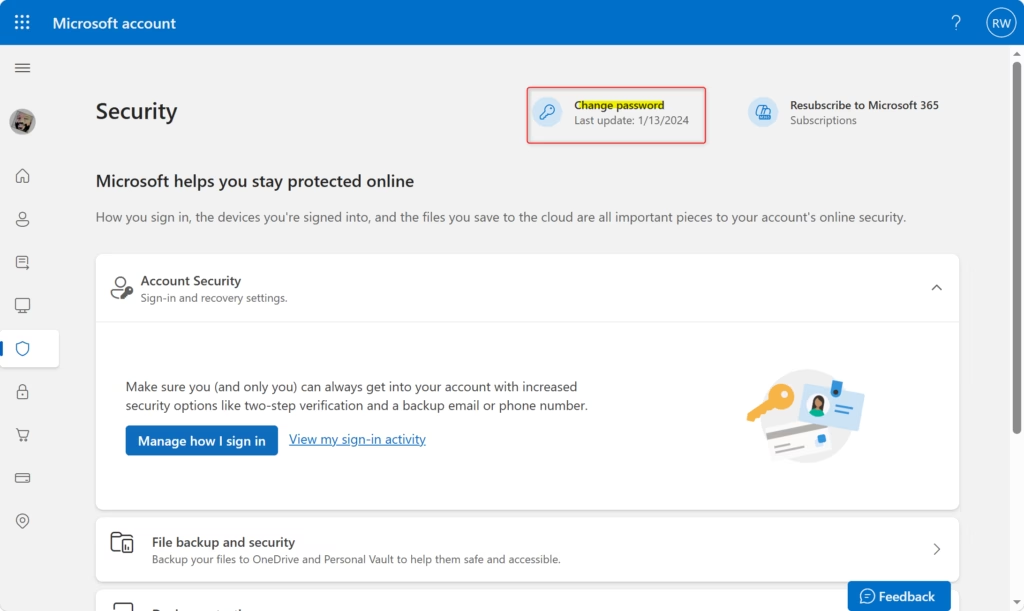
Find the “Change password” option. Inside the security section, you’ll find several options to keep your account safe. Look for a link or button that says “Change password” or something similar.
Creating Your New Password
This is the main part: setting up your new password. Take your time to create a password that you can remember but is hard for others to guess.
Enter your current password. For safety, Microsoft will ask you to confirm your current password again. This confirms you’re the account owner making the changes.
Type in your new password. Now, enter the new password you’ve chosen. Try to use a mix of uppercase and lowercase letters, numbers, and symbols. Don’t use information that’s easy to guess, like your name, birthday, or common words.
Re-enter your new password. To make sure you didn’t make any typing mistakes, you’ll be asked to type your new password again. This is important to avoid accidentally locking yourself out with a wrong password.
Saving Your Changes
You’ve done the work of choosing and entering your new password. Now, you need to confirm it and save it.
Click “Save”. Look for a button that says “Save” or “Confirm.” Clicking this will finish the password change.
What Happens Next? Once you click ‘Save,’ your password updates. You’ll likely be signed out of your Microsoft account on most devices and services. Next time you sign in to Windows, Outlook, OneDrive, Xbox, or any other service tied to your Microsoft account, you’ll need your new password.
Important Warning: Make sure you have a way to remember your new password! If you forget it, you’ll have to go through the password reset process, which can be more complicated. Think about using a good password manager to keep your passwords safe.
Summary
This guide showed you how to change your Microsoft account password when you know your current one. You’ll need to sign in to your Microsoft account online, go to the security settings, and then enter your old password followed by your new password twice. After saving, your password will be changed, and you’ll need to use the new one to sign in to your Microsoft services.
Was this guide helpful?

About the Author
Richard
Tech Writer, IT Professional
Richard, a writer for Geek Rewind, is a tech enthusiast who loves breaking down complex IT topics into simple, easy-to-understand ideas. With years of hands-on experience in system administration and enterprise IT operations, he’s developed a knack for offering practical tips and solutions. Richard aims to make technology more accessible and actionable. He's deeply committed to the Geek Rewind community, always ready to answer questions and engage in discussions.




No comments yet — be the first to share your thoughts!