How to Automatically Wake PC with Presence Sensing in Windows 11


Windows 11’s Presence Sensing automatically wakes your PC when you approach, using built-in sensors to detect your presence.
This feature allows your computer to turn on its screen or even wake from sleep without you touching your mouse or keyboard.
It works by using special cameras or sensors that are aware of when someone is nearby.
This not only makes getting back to your work quicker but can also help keep your PC more secure and save battery power.
Setting up Presence Sensing in Windows 11 helps your PC react smartly to your actions.
Enable automatic wake-up by navigating to Settings > System > Power & battery > Screen and sleep. Turn on the “Automatically wake up my device when I approach” switch if your PC has a compatible presence sensor. This feature uses sensors to wake your PC when you are near.
What is Presence Sensing?
Presence Sensing in Windows 11 is a smart feature that uses special sensors on your PC to know if you’re nearby.
How to Make Your PC Wake Up When You Get Close
Ready for your PC to greet you when you return? Follow these steps. We will show you how to find the right settings and turn on this cool feature.
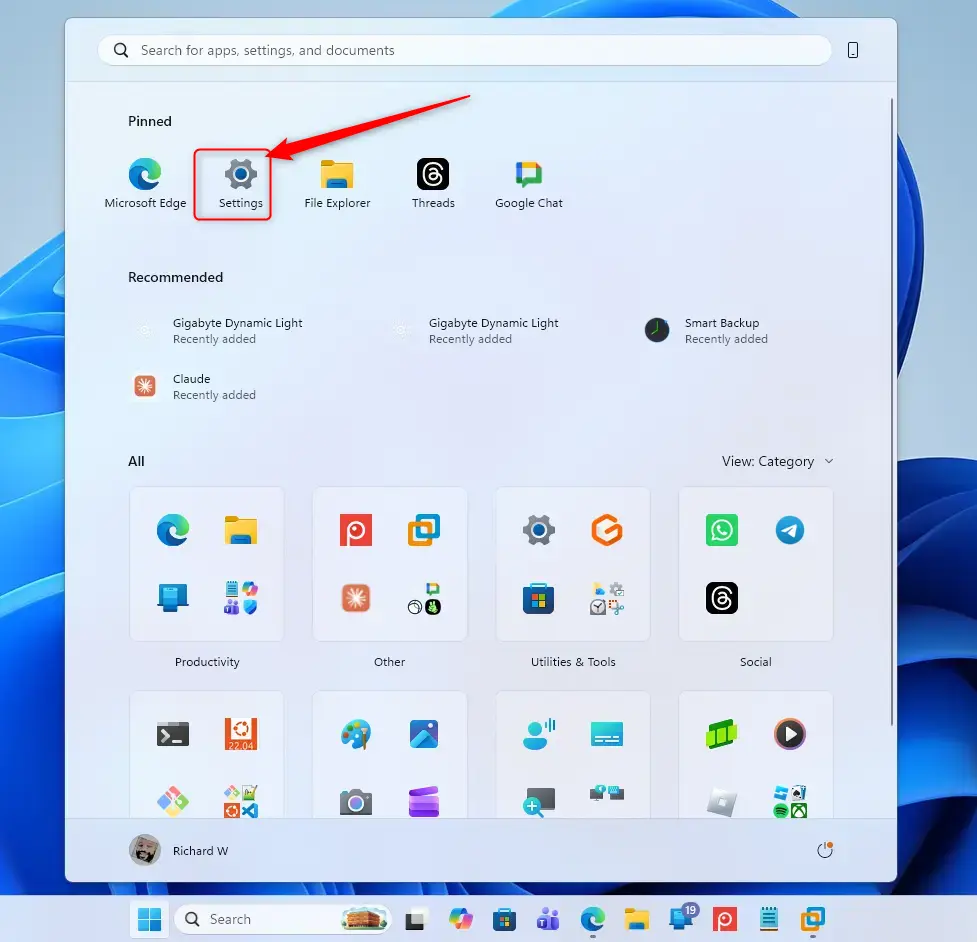
Step 1Open Windows Settings
To start, you need to open the Windows Settings app on your PC.
Tip: You can also press the Windows key + I keys on your keyboard together. This shortcut opens Settings right away.
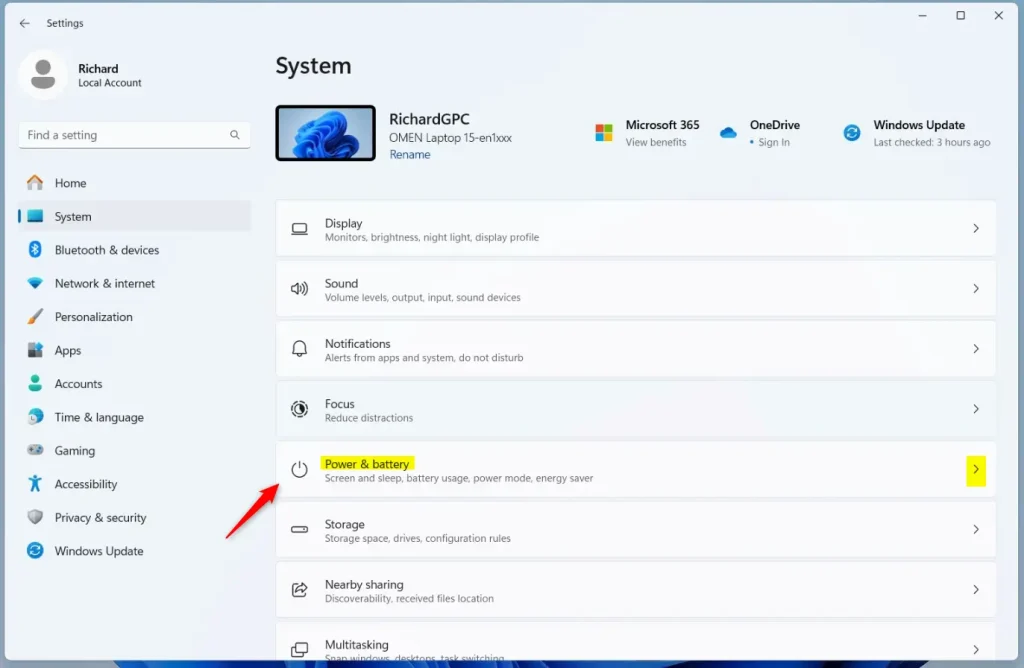
Step 2Go to Power & Battery Settings
The Settings window is open. On the left side, you see categories. Click on System. On the right side, you will see system options. Scroll down. Find Power & battery. Click it. This takes you to the power settings.
Step 3Find Screen and Sleep Settings
Inside Power & battery, you see more options. These control how your PC uses power. Look for Screen and sleep. Click it. Here you can choose when your screen turns off and when your PC sleeps.
Step 4Turn on Automatic Wake-Up
Now, let’s turn on the automatic wake-up feature so your PC wakes when you approach.
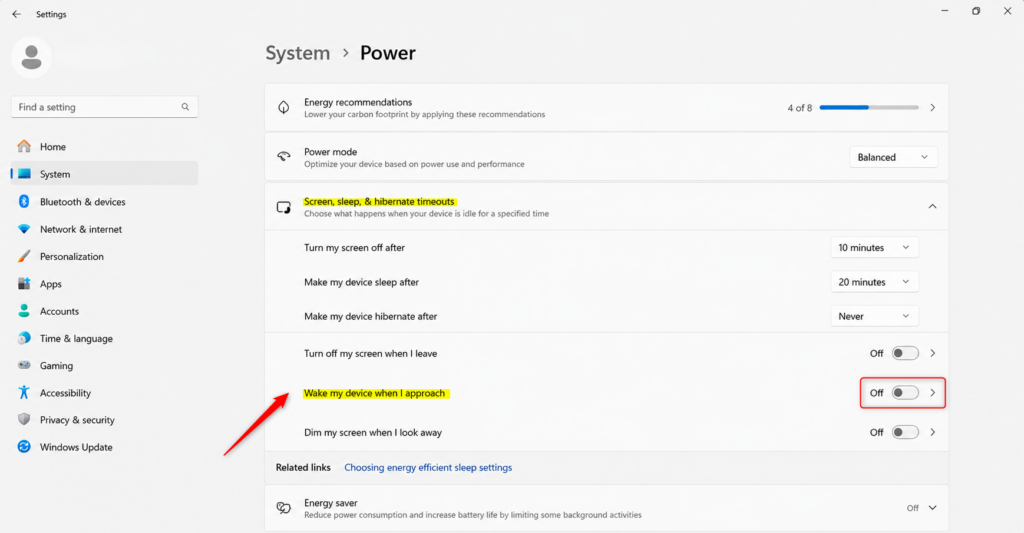
Warning: If you do not see the “Automatically wake up my device when I approach” option, your PC might not have a compatible presence sensor. Or, the necessary software might not be installed. This feature requires specific hardware to function.
Reference:
Summary
Presence Sensing in Windows 11 lets your PC automatically wake up when you get close, making it feel more intuitive and helping save power.
Was this guide helpful?

About the Author
Richard
Tech Writer, IT Professional
Richard, a writer for Geek Rewind, is a tech enthusiast who loves breaking down complex IT topics into simple, easy-to-understand ideas. With years of hands-on experience in system administration and enterprise IT operations, he’s developed a knack for offering practical tips and solutions. Richard aims to make technology more accessible and actionable. He's deeply committed to the Geek Rewind community, always ready to answer questions and engage in discussions.


No comments yet — be the first to share your thoughts!