How to Set HDR JXR Wallpapers in Windows 11

HDR JXR wallpapers are desktop backgrounds saved in the JPEG XR format (.jxr). They show brighter highlights and deeper shadows than standard JPG or PNG pictures. Windows 11 added direct support for these high dynamic range images in build 22621.1610, and they only show their full range on a display that meets HDR standards.
Standard desktop pictures often look washed out on bright screens. JXR files carry extra color and brightness data, so sunsets look more vivid and night scenes keep detail in both the dark and bright areas. You need a compatible monitor and HDR turned on in Windows to see the full effect. Without HDR, you get a flatter picture or none of the extra range at all.
Open Settings Personalization Background, set the dropdown to Picture, click Browse photos, and select your.jxr file. HDR must be enabled in Settings System Display first, and your monitor needs DisplayHDR certification.
Hardware Requirements
You also need Windows 11 build 22621.1610 or newer. HDR must be turned on in your display settings before Windows can use a high dynamic range image as your desktop background. These requirements are the same on Windows 11 Home and Pro.
- Display: A monitor with DisplayHDR certification is recommended. A monitor that only advertises “HDR” on the box may accept the signal but look dim or flat, so check the certification level if you can.
- GPU: A modern graphics card that supports HDR output is required. Keep its driver up to date, and use a cable and port that carry HDR (HDMI 2.0 or newer, or DisplayPort 1.4).
- Software: Windows 11 build 22621.1610 or newer. Run Windows Update if you are not sure which build you have.
- Settings: HDR must be enabled in Windows 11 display settings. Open Settings System Display, select your monitor, and turn on Use HDR. If the switch is missing or greyed out, the monitor, cable or driver is not reporting HDR support.
Comparison: SDR vs. HDR Wallpaper
| Feature | SDR (JPG/PNG) | HDR (JXR) |
|---|---|---|
| Color Range | Limited | Wide Color Gamut |
| Brightness | Standard | High Peak Brightness |
| Visual Quality | Flat | Vivid and Realistic |
How to set your HDR wallpaper
Setting an HDR JXR wallpaper in Windows 11 takes a few steps in the Settings app . Turn on HDR first, as described in the requirements above, then follow the steps below. No restart is needed.
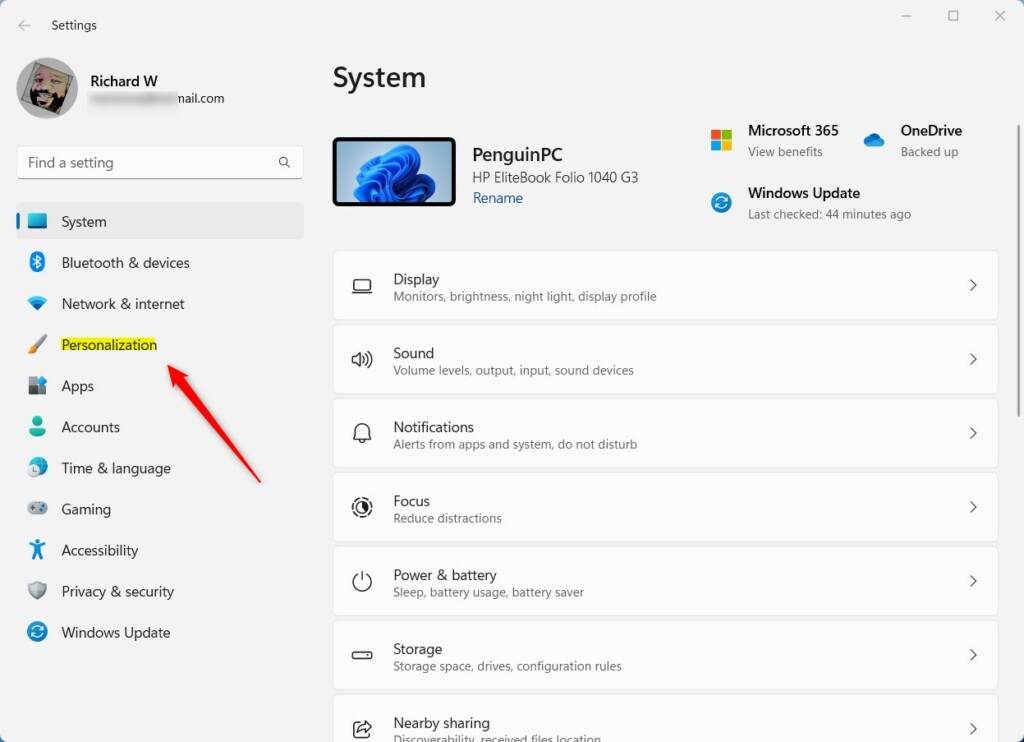
- Open the Settings app by pressing Win+I. The Settings window opens with a list of categories on the left.
- Click on Personalization in the left menu. The personalization options appear on the right.
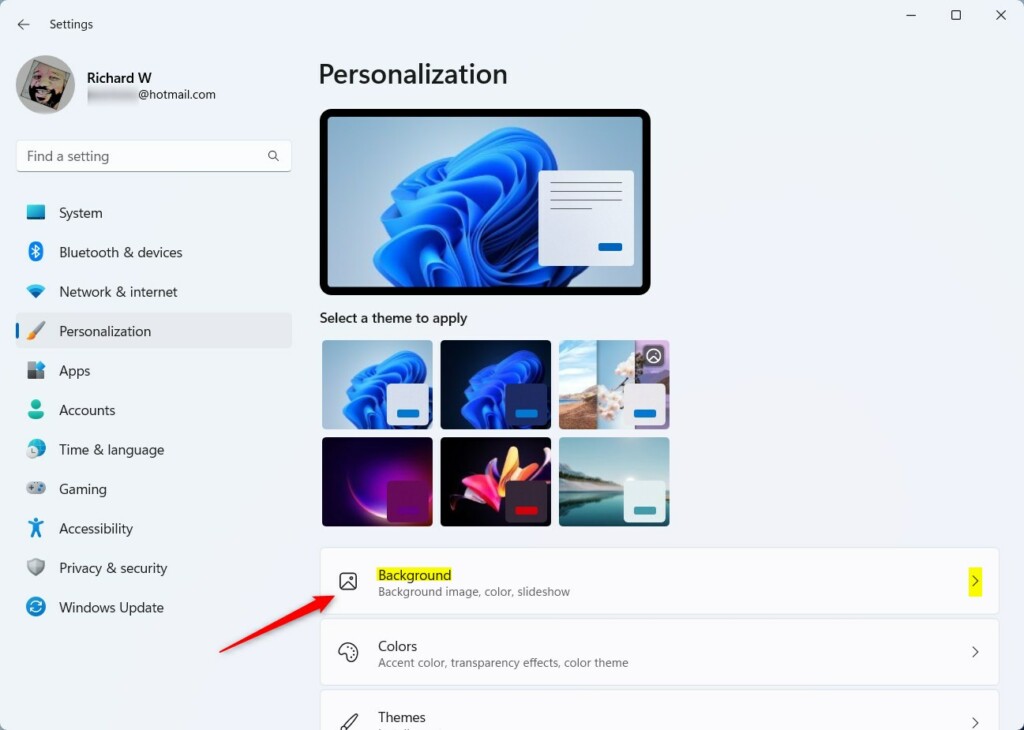
- Click the Background tile. You should see a preview of your current wallpaper and a dropdown below it.
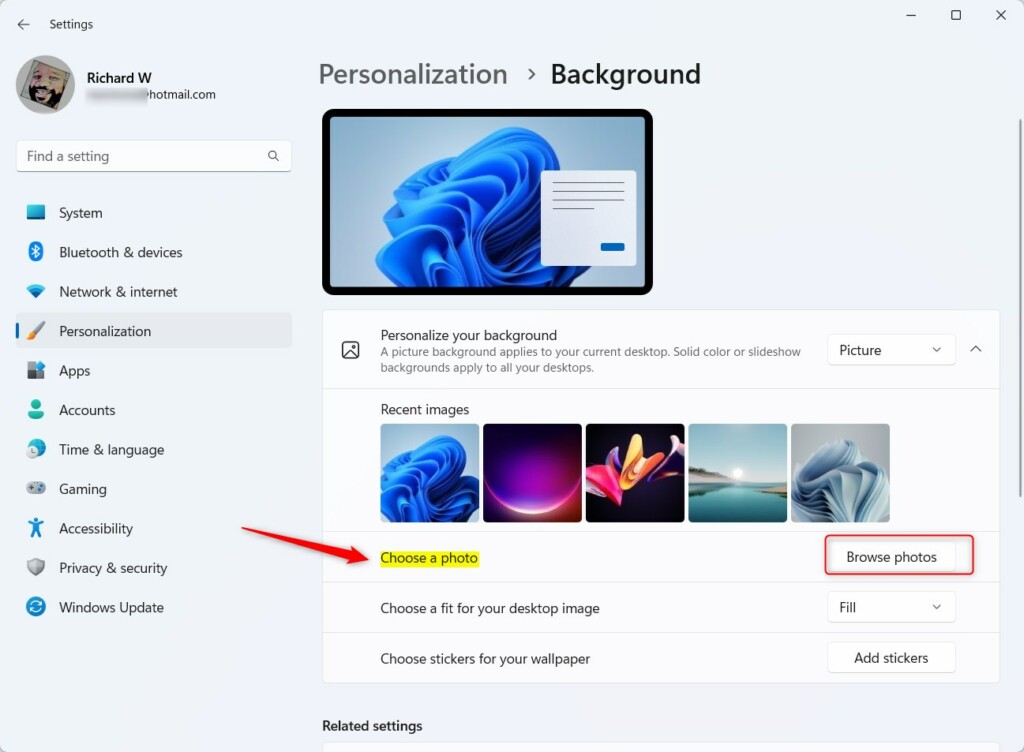
- Ensure the dropdown is set to Picture. The JXR file will not apply under Solid color or Slideshow.
- Click Browse photos and select your .jxr file. If the file does not show up in the picker, check the file-type filter at the bottom right of the dialog. Once you select the file, the preview and your desktop should update.
Run it with HDR turned on. It helps Windows match the brightness and color range of your monitor, so bright areas keep detail and dark areas do not turn to mud. To undo the wallpaper, go back to Settings Personalization Background and pick any other picture.
Troubleshooting
If the display flickers while the background is applied, check for updated graphics drivers first. Switching between SDR (Standard Dynamic Range) and HDR modes often causes a momentary blank screen. This is normal and usually passes in a second or two. If image tones still look washed out, verify that Auto HDR is configured correctly. You can find it with the other HDR options in Settings System Display
Summary
- Windows 11 supports JXR files for high-quality HDR backgrounds, starting with build 22621.1610.
- Ensure your monitor has HDR support enabled in display settings before you apply the wallpaper.
- Use the Windows HDR Calibration app for the most accurate colors.
- HDR wallpapers may increase battery usage on portable devices. If battery life matters more than looks, switch back to a standard picture while unplugged.
Reference: Windows Blog
Have a question about this guide?
Answered by AI from this guide. Good questions may be added to this page — please don't include personal details.
Did this guide fix your problem?

About the Author
Richard
Tech Writer, IT Professional
Richard is a writer at Geek Rewind who turns complex IT tasks into clear, step-by-step guides. He draws on years of hands-on experience in system administration and enterprise IT operations, focusing on Windows, Linux and WordPress: the problems people actually run into, and the fixes that work. His server and WordPress guides come from systems he runs himself. Richard builds and maintains the platform behind Geek Rewind, from its Ubuntu servers and Nginx configuration to its custom WordPress plugins. Many new tutorials start with readers' questions, and he's always glad to answer them in the comments.
No comments yet — be the first to share your thoughts!