How to Upgrade from Windows 10 to Windows 11

You can upgrade your PC from Windows 10 to Windows 11 for free, using either Windows Update or the Windows 11 Installation Assistant.
This upgrade replaces your current Windows 10 operating system with the newer Windows 11, unlocking fresh features like Snap Layouts and enhanced security protocols.
To successfully upgrade, your computer must meet Microsoft’s specific hardware requirements, including having a TPM 2.0 module and Secure Boot enabled; most PCs manufactured after 2017 include these essentials.
The process ensures your files remain intact while giving you a modernized interface and improved PC performance.
Upgrade to Windows 11 via Settings > Update & Security > Windows Update and click “Check for updates.” If available, select “Feature update to Windows 11” and click “Download and install.” Your PC must meet minimum hardware requirements.
Check if your PC is ready
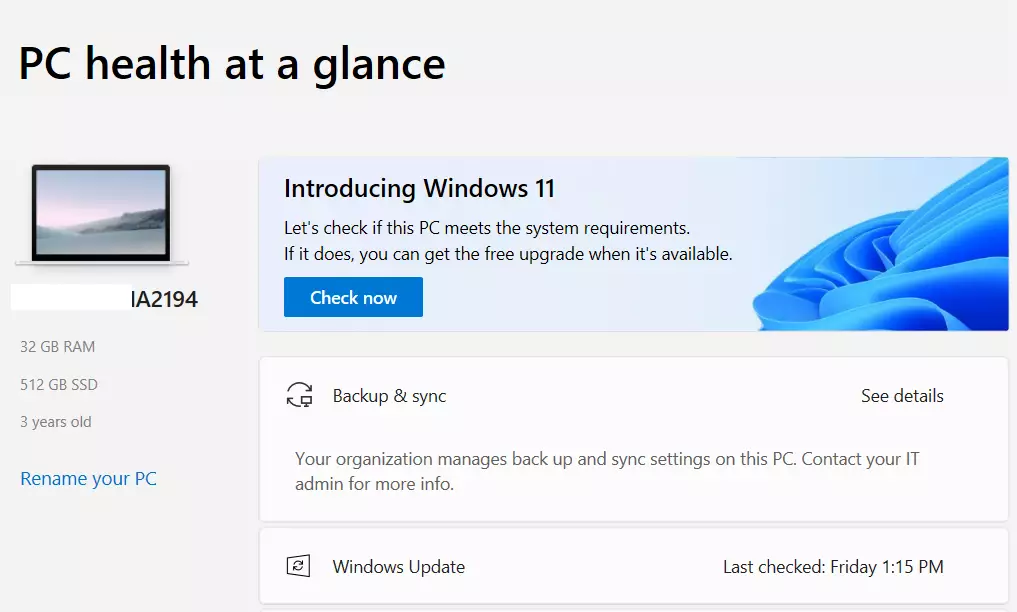
Before you start the free Windows 10 to 11 upgrade, you’ll want to make sure your computer can handle Windows 11. The easiest way to check is by using Microsoft’s own PC Health Check app.
- Click the Search box on your taskbar.
- Type
healthinto the box. - Select PC Health Check App from the results.
Once the app opens, click the Check now button under the “Introducing Windows 11” section.
Installation Methods Comparison
| Method | Best For | Difficulty |
|---|---|---|
| Windows Update | Standard users | Easy |
| Installation Assistant | Forcing an update | Medium |
| Media Creation Tool | Clean install | Advanced |
How to upgrade to 🪟 Windows 11
Once you know your PC is ready for the free Windows 10 to 11 upgrade, the process is straightforward and can be done right from your Windows 10 settings. Just head to Windows Update to begin the download and installation.
- Click the Start button and select Settings (the gear icon).
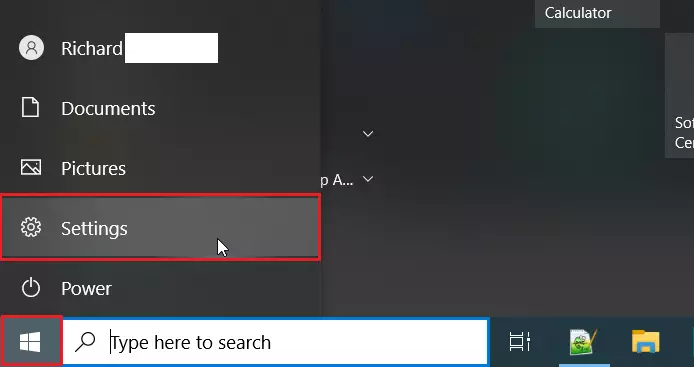
- Click on Update & Security.

- Select Windows Updates and click Check for updates.
- If you see “Feature update to Windows 11,” click Download and install.

After the files download, restart your computer when prompted. The installer will open to guide you through the final setup.
- Click Next to continue the setup process.

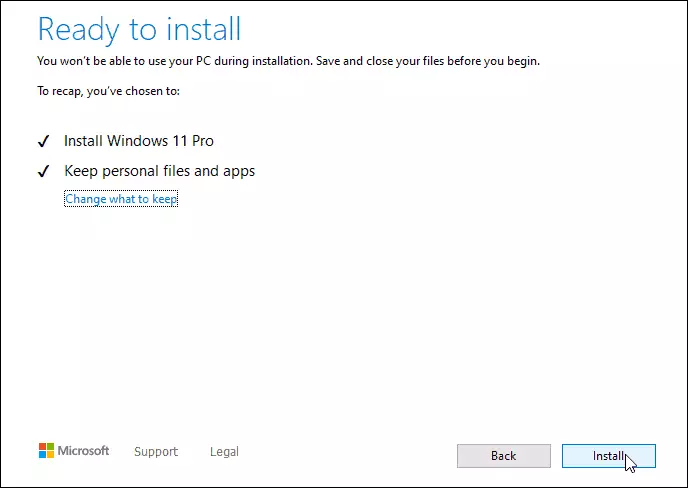
- Choose which files and apps you want to keep, then click Next.
- Click Install to begin. This may take some time depending on your internet speed.
Troubleshooting and Errors
If you run into problems during the free Windows 10 to 11 upgrade, like a ‘What needs your attention’ message, it often means a setting like Secure Boot or TPM 2.0 is off.
Summary
The free Windows 10 to 11 upgrade is straightforward if your computer meets the requirements, so always check with the PC Health Check app first.
Can I move back to 🪟 Windows 10 if I don’t like 🪟 Windows 11?
Yes, you have a 10-day window to roll back to Windows 10. Go to Settings > System > Recovery and select the Go back button. This process restores your previous version using the Windows.old folder. After 10 days, you would need to perform a clean install to return to Windows 10.
Was this guide helpful?

About the Author
Richard
Tech Writer, IT Professional
Richard, a writer for Geek Rewind, is a tech enthusiast who loves breaking down complex IT topics into simple, easy-to-understand ideas. With years of hands-on experience in system administration and enterprise IT operations, he’s developed a knack for offering practical tips and solutions. Richard aims to make technology more accessible and actionable. He's deeply committed to the Geek Rewind community, always ready to answer questions and engage in discussions.


No comments yet — be the first to share your thoughts!