How to Enable or Disable SmartScreen Enhanced Phishing Protection in Windows 11

You can enable or disable Enhanced Phishing Protection in Windows 11 to safeguard your passwords from unsafe storage. This feature, a part of Microsoft Defender SmartScreen, actively warns you when you attempt to save credentials in insecure applications like Notepad or Microsoft Office documents.
Enhanced Phishing Protection alerts you to potential phishing risks by flagging password saving in vulnerable locations. Once enabled, Windows will notify you about these insecurely stored passwords and prompt you to remove them from the files.
This robust security tool is integrated into Windows 11, working alongside Microsoft Defender. It provides an extra layer of defense, alerting you to risky behavior that could compromise your login information.
Navigate to Windows Security, then App & browser control, and finally Reputation-based protection settings. Toggle the Phishing protection switch on or off to enable or disable Enhanced Phishing Protection. This feature warns you when saving passwords in unsafe applications.
How to Turn On or Off Password Storage Warnings in 🪟 Windows 11
You can turn on or off the warnings that alert you when you try to save passwords in apps that might not be safe, which helps protect your SmartScreen Enhanced Phishing Protection.
- Open Windows Security:
Click the search box on your taskbar (the bar usually at the bottom of your screen). Type Windows Security and click the app from the list.
windows disable password reuse warning - Go to App & Browser Control:
In Windows Security, click on the App & browser control tile.
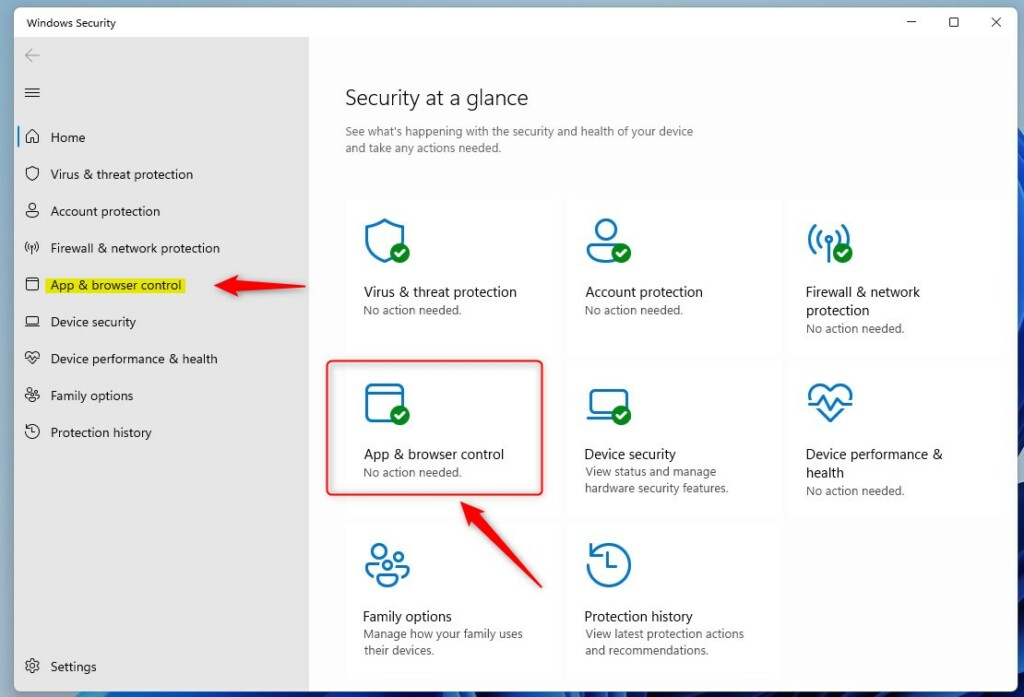
windows 11 app and browser control updated - Open Reputation-based Protection Settings:
Under Reputation-based protection, click on Reputation-based protection settings.
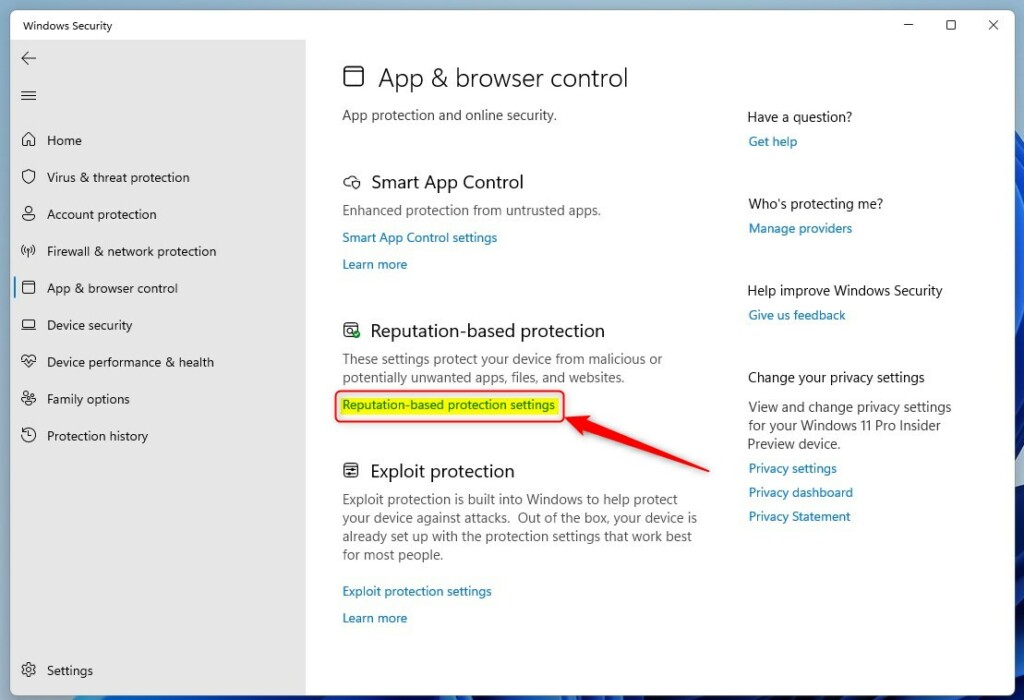
windows 11 reputation based protection settings updated - Turn On Phishing Protection:
Find Phishing protection and toggle it to On. When this is on, you can also turn on warnings for unsafe password storage.
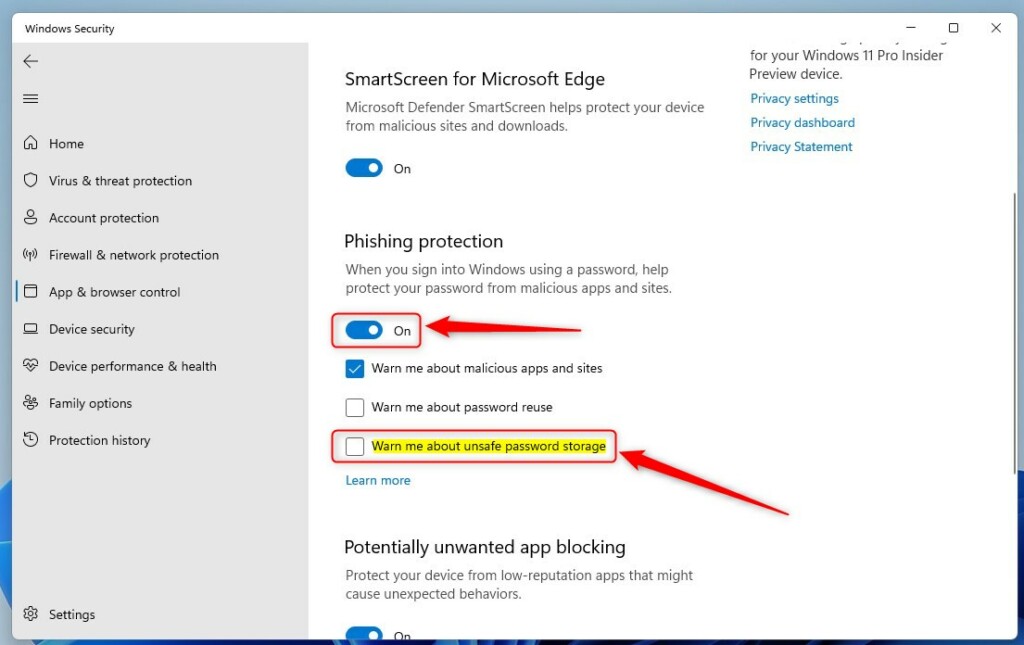
windows 11 warn me about unsafe password storage
Alternative: Use Local Group Policy Editor (For Advanced Users)
If you’re comfortable with more technical settings, you can use the Local Group Policy Editor to manage SmartScreen Enhanced Phishing Protection and control password warnings.
Open Local Group Policy Editor:Click the Start Menu and type Edit group policy, then select it from the list. FLAG: This step requires admin privileges.
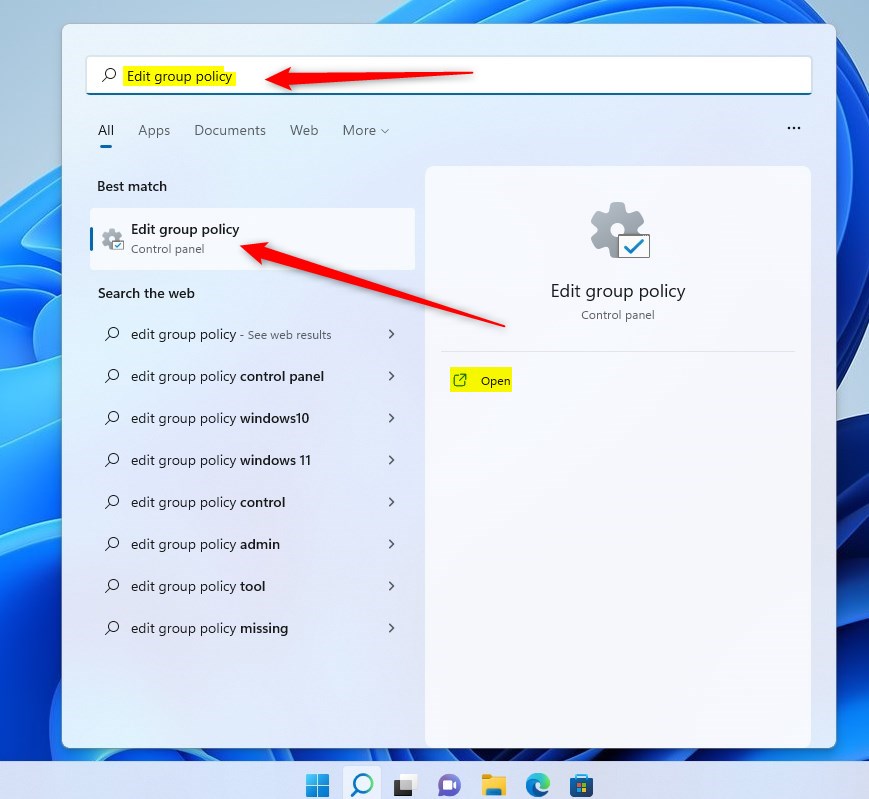
windows 11 edit group policy - Navigate to the Phishing Protection Settings:
In the left panel, go to: Computer Configuration > Administrative Templates > Windows Components > Windows Defender SmartScreen > Enhanced Phishing Protection
- Find Notify Unsafe Apps:
On the right side, find and double-click Notify Unsafe Apps.
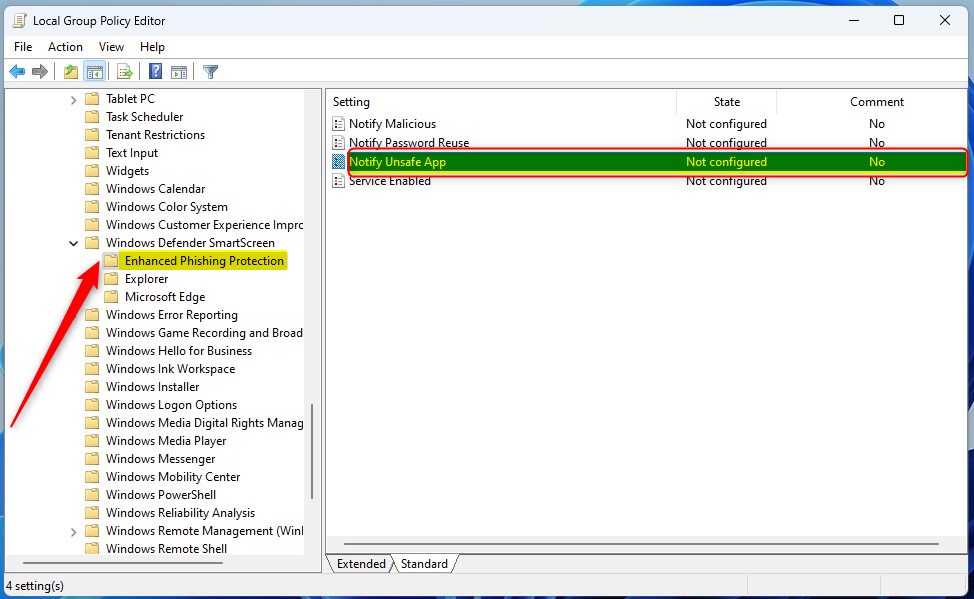
windows 11 notify unsafe apps - Choose Your Setting:
Choose one of these options:
- Not Configured (default)
- Enabled (turns on warnings)
- Disabled (turns off warnings)
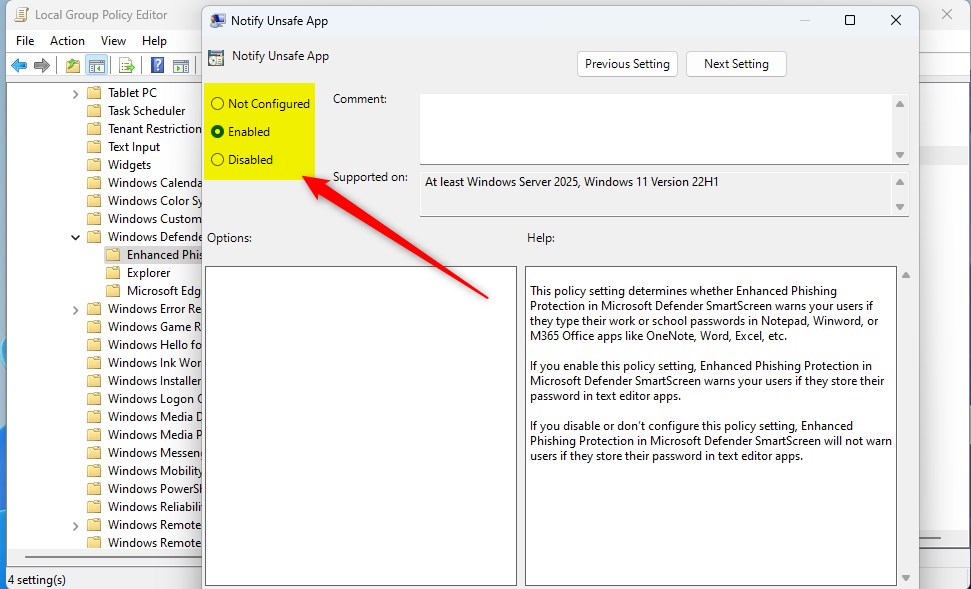
windows 11 notify unsafe apps settings - Save Your Changes:
Click OK to save your changes and then close the editor.
Summary
- Enhanced Phishing Protection helps keep your passwords safe by warning you if you save them in unsafe apps.
- You can turn this protection on or off through Windows Security settings.
- Advanced users can also use the Local Group Policy Editor to control these warnings.
- Using these features helps protect your personal info and keep your computer safer.
Enhanced Phishing Protection helps keep your passwords safe by warning you if you try to save them in apps that aren’t safe.
How do I enable enhanced phishing protection?
Enabling Windows Defender SmartScreen Enhanced Phishing Protection with Group Policy is as easy as setting a few policy settings. Navigate to Computer Configuration > Administrative Templates > System > Windows Defender SmartScreen > Enhanced Phishing Protection.
Should you disable SmartScreen?
Disabling Microsoft Defender SmartScreen is generally not recommended because it is a standard fail-safe against phishing attempts and other security vulnerabilities.
Was this guide helpful?

About the Author
Richard
Tech Writer, IT Professional
Richard, a writer for Geek Rewind, is a tech enthusiast who loves breaking down complex IT topics into simple, easy-to-understand ideas. With years of hands-on experience in system administration and enterprise IT operations, he’s developed a knack for offering practical tips and solutions. Richard aims to make technology more accessible and actionable. He's deeply committed to the Geek Rewind community, always ready to answer questions and engage in discussions.
📚 Related Tutorials

No comments yet — be the first to share your thoughts!