How to Remove DLNA Devices in Windows 11

You remove DLNA devices in Windows 11 by disabling media streaming for specific devices or by turning off network discovery entirely.
DLNA (Digital Living Network Alliance) allows your Windows 11 PC to share media like music, videos, and photos with compatible devices on your network, such as smart TVs and game consoles. Removing unwanted DLNA devices declutters your network and boosts privacy.
To manage these connections, you first need to ensure Media Streaming is enabled in Windows 11, typically found within Network settings. Once enabled, you can control which devices are connected and visible.
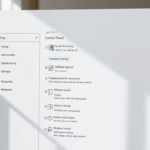
You can remove DLNA devices in Windows 11 by disabling media streaming or turning off network discovery. Access these settings through Network & Internet > Network and sharing center > Media streaming options.
Does 🪟 Windows 11 have a DLNA server?
Digital Living Network Alliance (DLNA) media streaming allows a Windows 11 computer to serve as a media server, which means you can share media files, such as pictures and music, with compatible devices like speakers or smart TVs.
Was this guide helpful?

About the Author
Richard
Tech Writer, IT Professional
Richard, a writer for Geek Rewind, is a tech enthusiast who loves breaking down complex IT topics into simple, easy-to-understand ideas. With years of hands-on experience in system administration and enterprise IT operations, he’s developed a knack for offering practical tips and solutions. Richard aims to make technology more accessible and actionable. He's deeply committed to the Geek Rewind community, always ready to answer questions and engage in discussions.

No comments yet — be the first to share your thoughts!