
You can manage website notifications in Microsoft Edge by accessing the browser’s settings to control which sites can send you alerts and how those alerts appear.
Website notifications are pop-up messages from websites that you’ve granted permission to send updates directly to your desktop, even when Edge is closed.
In Microsoft Edge version 119, you have granular control over these alerts. You can block all notifications, allow them on a site-by-site basis, or even set them to ask for permission each time.
This control helps you reduce digital clutter and focus on the information that matters most to you.
What Are Website Notifications?
Before we start, let’s understand what these notifications are. Website notifications are small messages that appear on your screen, usually in the bottom-right corner. They can also be found in your system’s Notification Center. This is a good place to see anything you missed.
When you allow a website to send notifications, they can keep showing up even after you close Microsoft Edge, which is why managing them is important. These are system alerts from websites you’ve visited, not pop-up ads inside your browser – those are a different beast we’ll touch on briefly.
Notifications vs. Pop-ups
It’s important to know the difference. Pop-ups are usually ads or offers that open in a new window or tab. Website notifications are meant to inform you about content from a specific site. They show up as system messages.
If you are dealing with lots of ads, you need to block pop-ups. This is a separate step. Today, we are only talking about website notifications.
How to Block Notifications in Edge Settings
This section is where you control all your site permissions, including notifications, and you can make big changes here.
Open Edge Settings
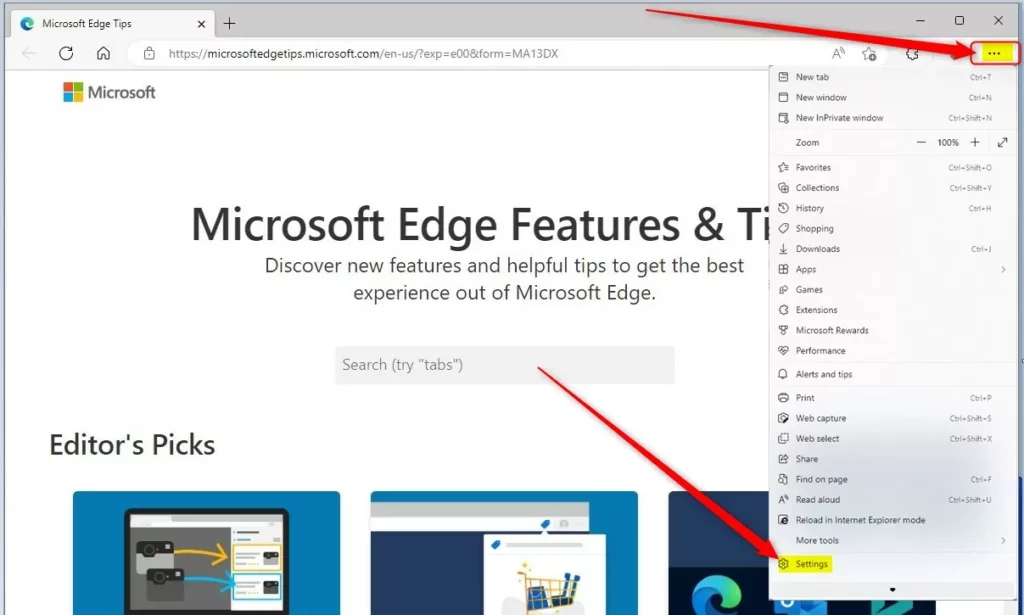
First, open Microsoft Edge’s settings. Click the three dots (Settings and more) in the top-right corner. From the menu, choose Settings.Go to Site Permissions
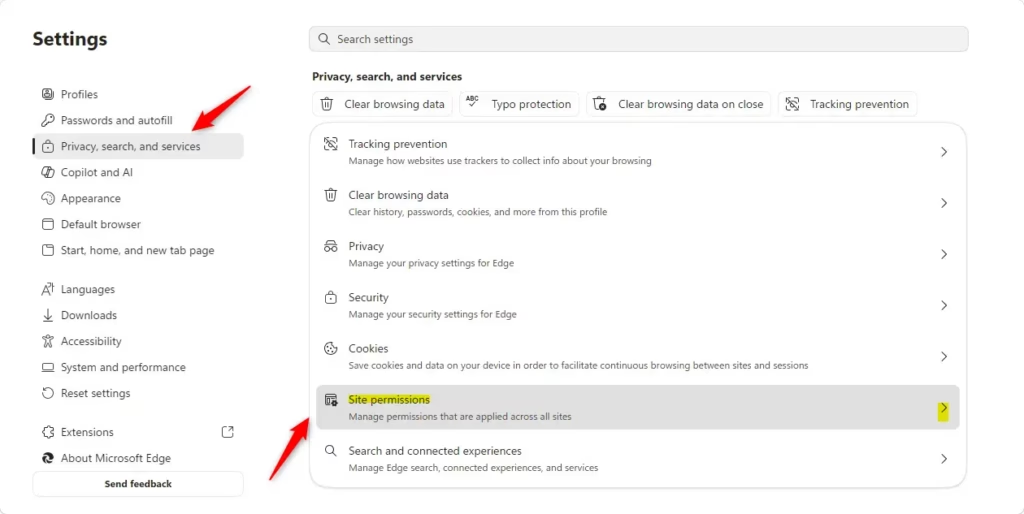
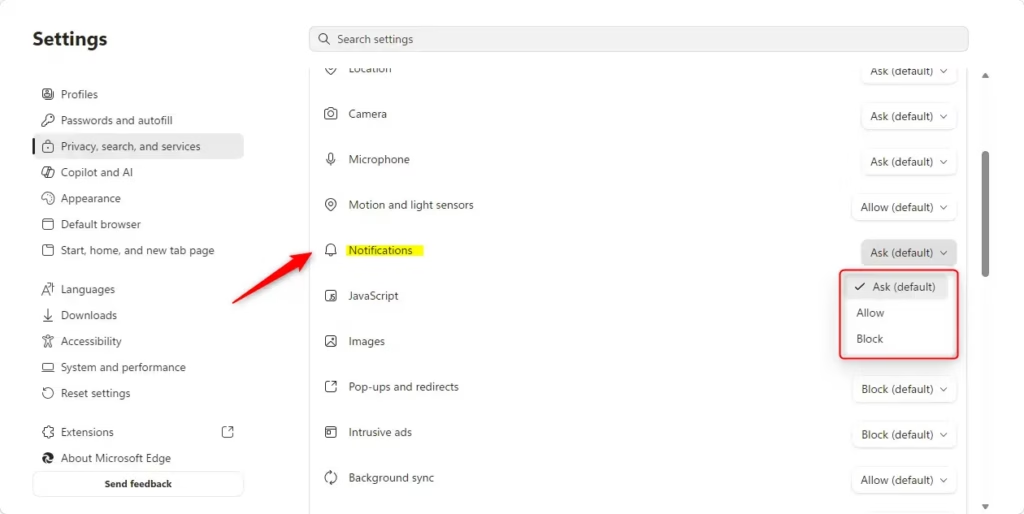
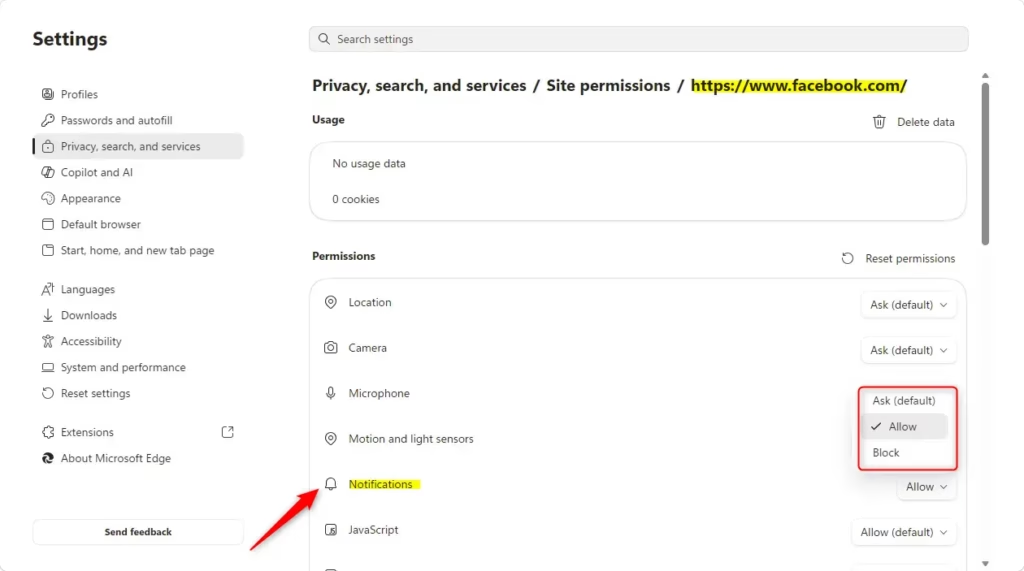
In the Settings menu, look at the left sidebar. Click on Privacy, search, and services. Scroll down and click on Site permissions. This page lets you manage permissions for different website features.See All Sites
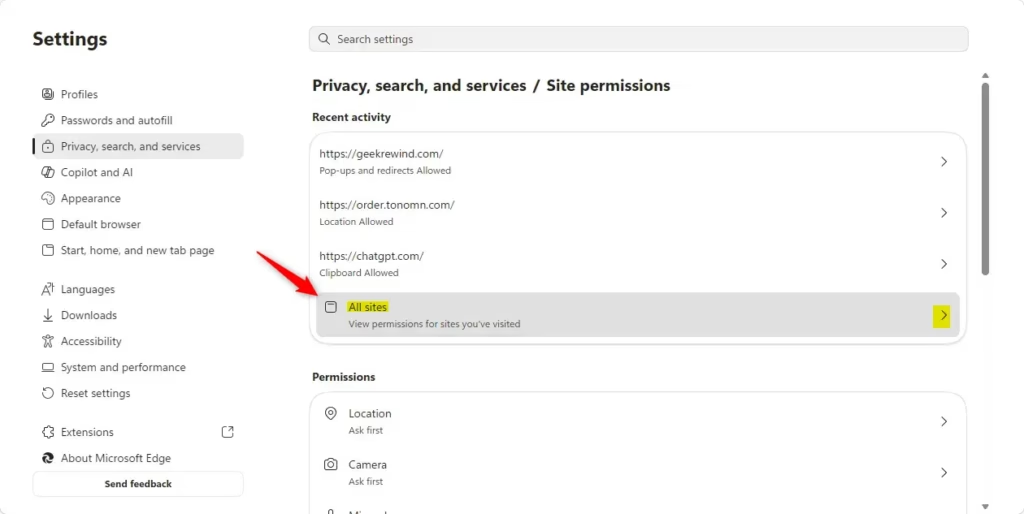
On the Site permissions page, find and click on All sites. This shows a list of every website that has asked for or been given permissions on your computer.Find the Website
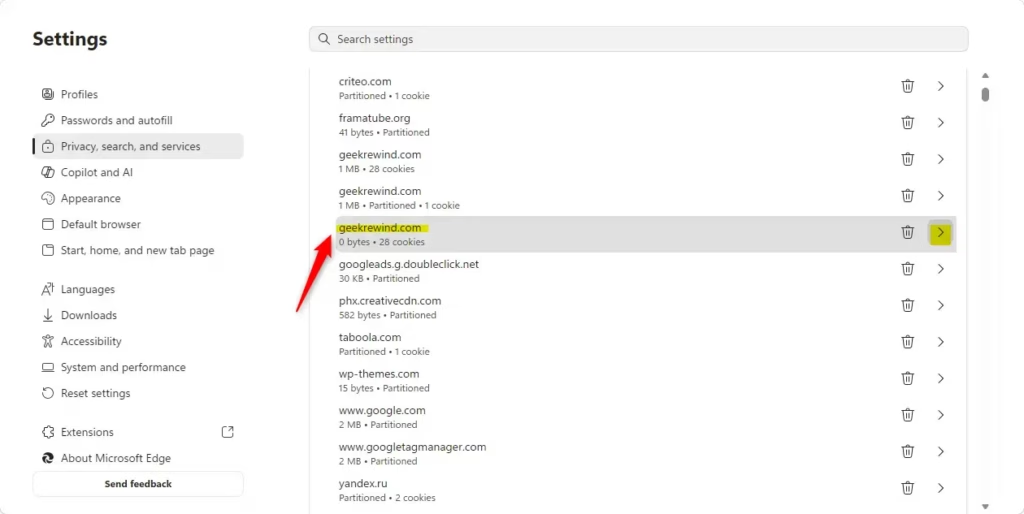
You’ll see a long list of websites you can scroll through. If you know the site you’re looking for, type its name in the search bar at the top of the ‘All sites’ list to find it faster.Block Notifications for That Site
Find the website in the list and click on its name. This will show the specific permissions you gave it. Look for the Notifications setting. Click the dropdown menu next to it and choose Block.Tip: You can also turn notifications back on here. Go back to this menu and change the dropdown from Block to Allow.
How to Manage Notifications from the Address Bar
Sometimes, you might be on a website and realize you are getting too many notifications. You can manage it right there without going into settings.
Visit the Website
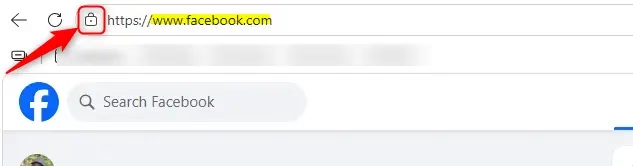
Open Microsoft Edge and go to the website you want to manage notifications for. This works best when you are on the site.Click the Site Information Icon
Look to the left side of your browser’s address bar. You will see a small icon. It might be a padlock if the site is secure, or a globe. Click this icon. This is the View site information button.Find the Notifications Permission
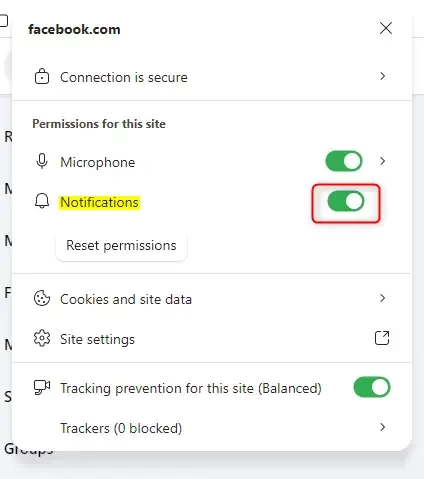
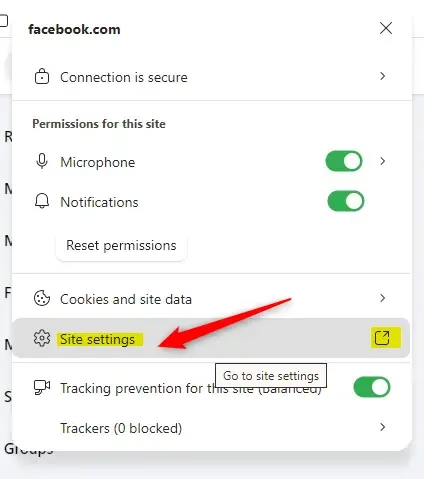
A small panel will appear with website details and permissions. Look for ‘Permissions for this site,’ and you should see Notifications listed there.Choose to Block
Next to Notifications, there is a dropdown menu. Click it. You will see options like Allow or Block. Choose Block to stop this site from sending notifications.
Reference:
https://support.microsoft.com/en-us/edge/manage-website-notifications-in-microsoft-edge
Summary
Dealing with unwanted website notifications can interrupt your focus and clutter your digital life. By following these simple steps in Microsoft Edge, you can take control. You can decide which websites can send you alerts. You can manage everything from the main settings or make quick changes from the address bar. Now you can create a quieter and more productive browsing experience.
How do I get rid of website notifications on Edge?
To get rid of website notifications on Edge, open Edge Settings, navigate to 'Cookies and site permissions,' then 'Notifications.' Here, you can block all notifications, remove specific sites from the allowed list, or toggle off the 'Ask before sending' option to prevent future requests.
How do I stop a website from giving me notifications?
To stop a specific website from sending notifications in Edge, go to Settings > Cookies and site permissions > Notifications. Find the website under the 'Allow' list and click the three dots next to it, then select 'Remove' or 'Block' to disable its notifications.
How do I change the notification settings on Microsoft Edge?
To change notification settings in Microsoft Edge, open Edge, click the three dots for Settings, then go to 'Cookies and site permissions' and select 'Notifications.' You can then toggle off notifications entirely, manage individual site permissions, or choose to be asked before sites send notifications.
How do I get rid of pop up notifications on Edge?
To eliminate pop-up notifications in Edge, navigate to Settings > Cookies and site permissions > Pop-ups and redirects. Toggle the switch to 'Block' to prevent all pop-ups. You can also manage exceptions for specific sites if needed, ensuring a cleaner browsing experience.
Was this guide helpful?

About the Author
Richard
Tech Writer, IT Professional
Richard, a writer for Geek Rewind, is a tech enthusiast who loves breaking down complex IT topics into simple, easy-to-understand ideas. With years of hands-on experience in system administration and enterprise IT operations, he’s developed a knack for offering practical tips and solutions. Richard aims to make technology more accessible and actionable. He's deeply committed to the Geek Rewind community, always ready to answer questions and engage in discussions.




No comments yet — be the first to share your thoughts!