Enable or Disable ‘Switch User’ in Ubuntu Linux


The “Switch User” feature in Ubuntu Linux lets two or more people share a computer without closing apps or saving files. Ubuntu 22.04 LTS and newer versions turn this option on by default so you can jump between accounts right from the system menu.
Hiding the account switcher gives you a cleaner desktop and stops extra names from showing up if you are the only person using the PC. You can turn this setting off by editing a simple system file on your machine.
To enable or disable the ‘Switch User’ option in Ubuntu, use the Terminal. Type “gsettings set org.gnome.desktop.lockdown disable-user-switching true” to hide it, or “gsettings reset org.gnome.desktop.lockdown disable-user-switching” to show it. Changes may require logging out and back in.
Enable or disable the ‘Switch User’ command on the system menu
To enable Switch User Ubuntu options on your system menu, you need to run a quick command in the Terminal. This controls whether users can switch accounts quickly from the top-right corner of the screen. Open the Terminal by pressing Ctrl+Alt+T, paste the configuration command, and press Enter to apply the change immediately across your desktop environment.
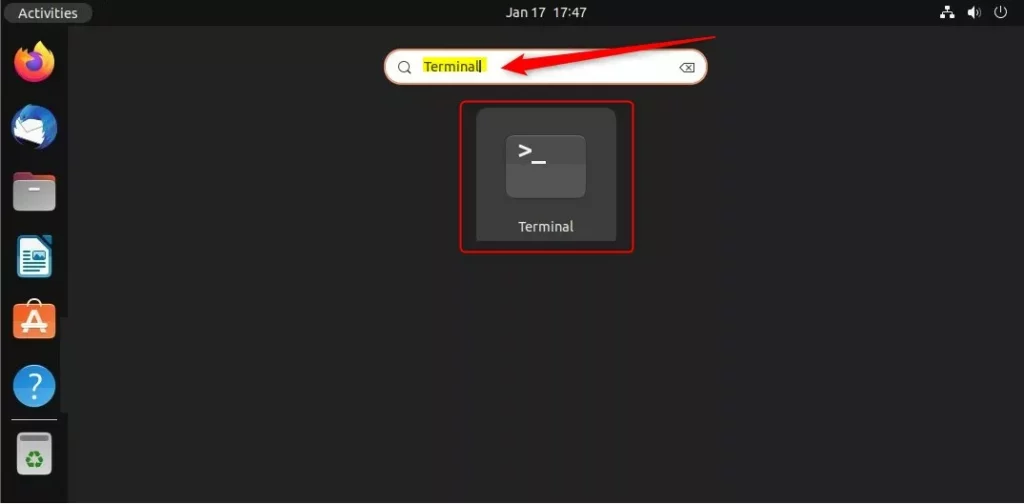
To hide the “Switch User” button, type this command and press Enter:
gsettings set org.gnome.desktop.lockdown disable-user-switching trueTo show the button again, run this command:
gsettings reset org.gnome.desktop.lockdown disable-user-switching
Enable or Disable fast switching using the Dconf Editor
You can enable Switch User Ubuntu settings visually by using the Dconf Editor app instead of the command line. This tool lets you turn fast user switching on or off with a simple toggle switch. Install the editor from the Ubuntu App Center, open it, and navigate to the relevant desktop settings to change your account switching preferences.
Acquire the app first. Find it in the Ubuntu App Center by searching for "Dconf Editor," or run this command in your Terminal:
sudo apt install dconf-editor
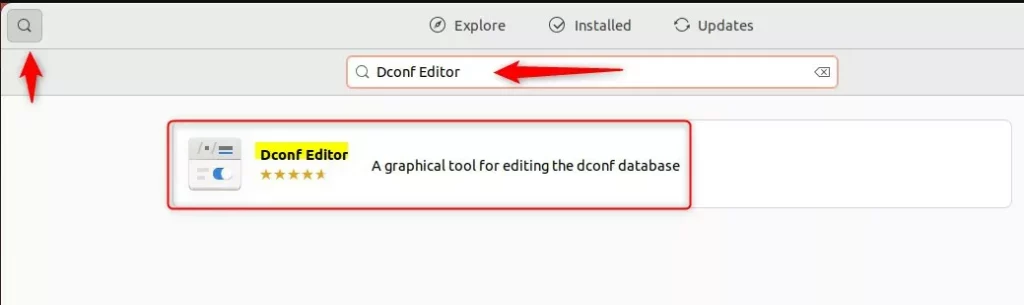
Once installed, open Dconf Editor and follow this path:
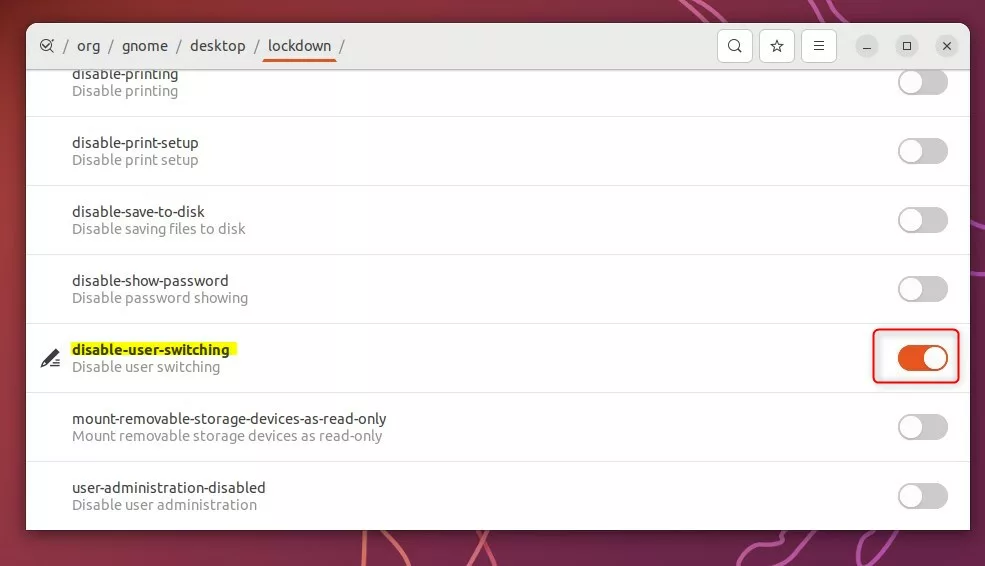
org -> gnome -> desktop -> lockdown
Find the entry called disable-user-switching. Toggle the switch to "On" to hide the feature, or "Off" to show it.
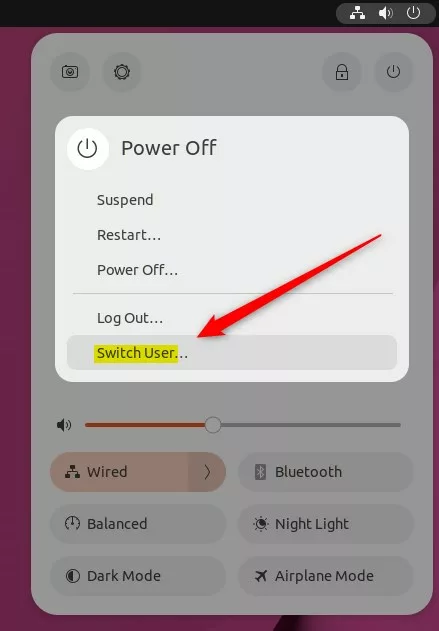
Logging out of the current session and logging back in ensures the system menu reflects the updates.
Was this guide helpful?
0% of readers found this helpful (1 votes)

About the Author
Richard
Tech Writer, IT Professional
Richard is a writer at Geek Rewind who turns complex IT tasks into clear, step-by-step guides. He draws on years of hands-on experience in system administration and enterprise IT operations, focusing on Windows, Linux and WordPress: the problems people actually run into, and the fixes that work. His server and WordPress guides come from systems he runs himself. Richard builds and maintains the platform behind Geek Rewind, from its Ubuntu servers and Nginx configuration to its custom WordPress plugins. Many new tutorials start with readers' questions, and he's always glad to answer them in the comments.

No comments yet — be the first to share your thoughts!