How to Enable Compact View in Windows 11 File Explorer

You enable compact view in Windows 11 File Explorer to reduce spacing and fit more files on your screen.
Compact view restores a denser, traditional layout to File Explorer, similar to Windows 10, making it ideal for mouse and keyboard users.
This change significantly increases the number of files and folders visible at once, improving navigation efficiency.
Enable compact view in File Explorer by opening it, clicking the three dots, selecting Options, going to the View tab, and checking “Decrease space between items.” This reduces spacing for a denser, more efficient layout.
How to turn on File Explorer compact view
You can turn on Windows 11 compact view in File Explorer easily through the folder options menu to make your windows take up less space.
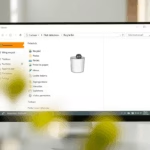
Here is a screenshot of File Explorer’s default layout:
1. Open File Explorer.
2. Click the three dots (ellipse) in the top toolbar.
3. Select Options.
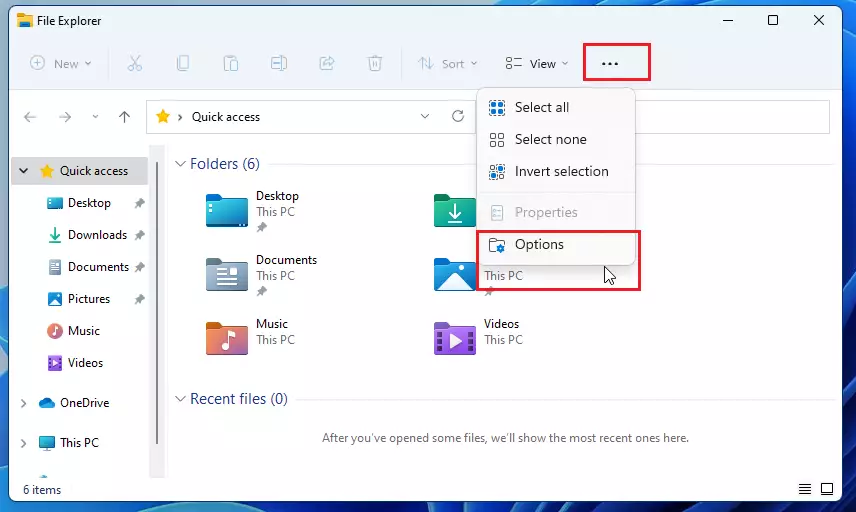
4. Go to the View tab.
5. Under Advanced settings, check the box for Decrease space between items (compact view).
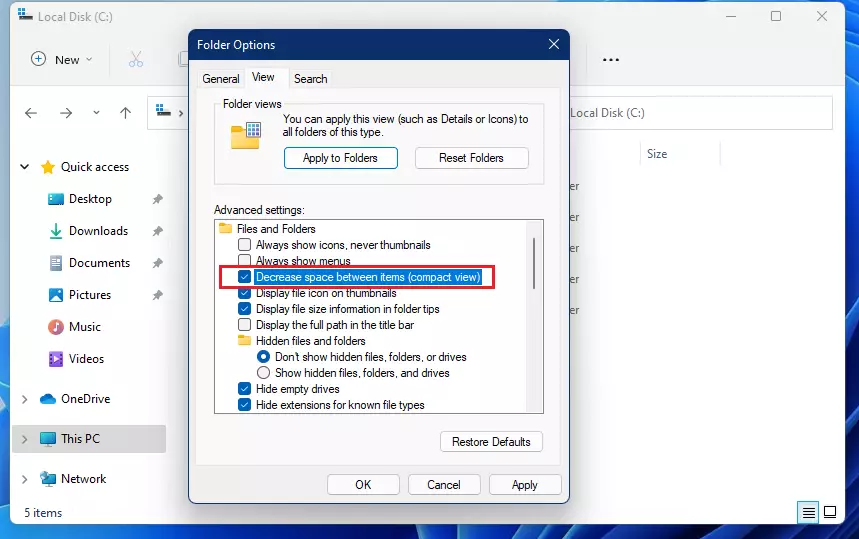
6. Click Apply and then OK.
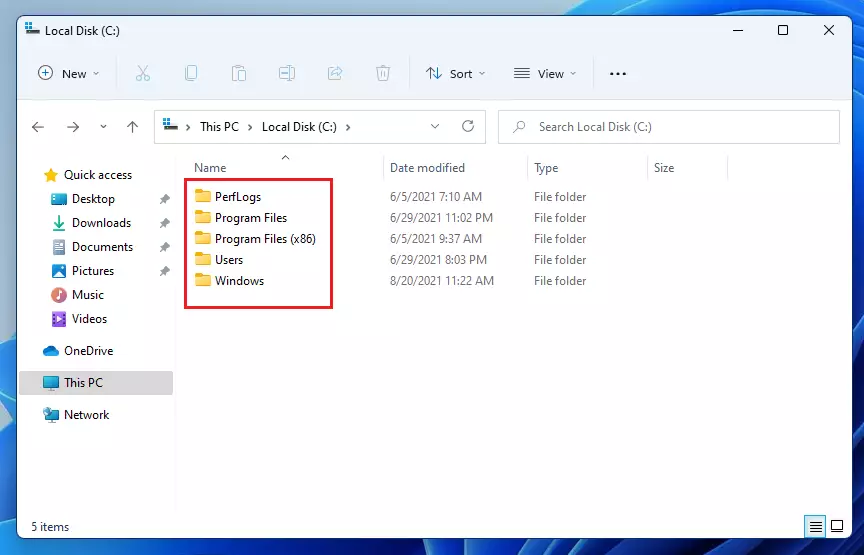
Your folders will now show a tighter, more compact list.
Advanced Configuration: Registry Tweak
If the menu option to turn on Windows 11 compact view isn’t showing, you can still change it using the Registry Editor, which is a tool for advanced settings.
1. Press ⊞ Win+R, type regedit to open the Registry Editor (Windows’ advanced configuration tool), and then press Enter.
2. Navigate to: HKEY_CURRENT_USER\Software\Microsoft\Windows\CurrentVersion\Explorer\Advanced
3. Look for a value named UseCompactMode.
4. Double-click it and change the value to 1 to enable it, or 0 to disable it.
Troubleshooting: Why is Compact View greyed out?
Sometimes you cannot click the option. This usually happens if a system policy is blocking view changes. Make sure your Windows is fully updated. You can check for updates through Microsoft’s official channels. If you are on a work computer, your IT department may have locked these settings.
Summary
Windows 11 compact view is a simple setting that helps you see more files on your screen by reducing the space between items.
Does Compact View affect all folders or just the current one?
When you enable compact view in File Explorer, it applies globally to all folders. This ensures a consistent experience across your entire system, allowing you to see more files in every directory without needing to toggle the setting for each individual folder you open.
How do I reset File Explorer view settings to default?
To reset everything, open the Folder Options menu as shown above. Click the View tab and then click the Reset Folders button. This will revert all folder view customizations, including the compact mode setting, back to the original Windows 11 factory defaults.
Was this guide helpful?

About the Author
Richard
Tech Writer, IT Professional
Richard, a writer for Geek Rewind, is a tech enthusiast who loves breaking down complex IT topics into simple, easy-to-understand ideas. With years of hands-on experience in system administration and enterprise IT operations, he’s developed a knack for offering practical tips and solutions. Richard aims to make technology more accessible and actionable. He's deeply committed to the Geek Rewind community, always ready to answer questions and engage in discussions.


No comments yet — be the first to share your thoughts!