Set Default Speaker in Ubuntu Linux: A Step-by-Step Guide


Setting a default speaker in Ubuntu Linux forces your computer to send audio to your preferred headphones or speakers every time, stopping plugged-in TVs and monitors from hijacking your sound.
Ubuntu picks the first audio device it finds when you start your PC, which is rarely the one you want to use. Recent versions like Ubuntu 23.10 let you lock in your main audio output with a few clicks in the system settings so you never have to switch devices by hand.
Open System Settings, then click on Sound. Under the Output tab, select your desired speaker from the list of available devices. Use the Test button to confirm your selection is working correctly.
How to choose the default speaker in Ubuntu Linux
Setting your default speaker Ubuntu uses for all system sounds takes just a few clicks in the system settings. Open Settings , select the Sound menu, and pick your preferred playback device from the list of available output hardware. Ubuntu routes all future audio through this chosen device automatically until you change it again.
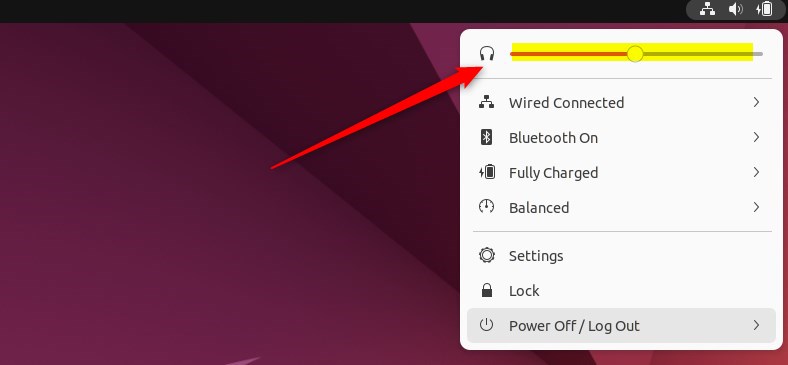
Ubuntu assigns a primary device automatically, and volume levels scale directly from the system menu. Keep in mind that only one active audio device appears in that shortcut menu at any given moment.
Open the System Settings panel to manage system configurations, user accounts, and updates.
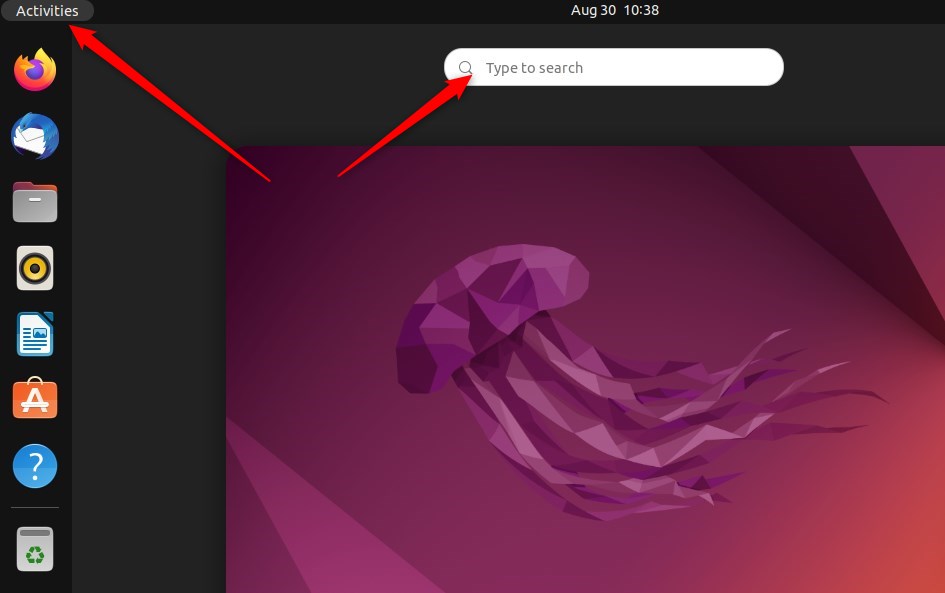
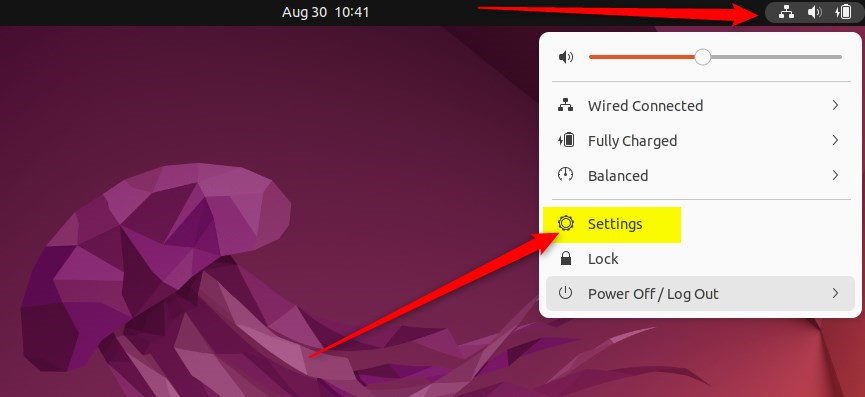
Alternatively, click the System menu located in the top-right corner of the desktop bar.
Select Settings from the drop-down menu, following the layout shown below.
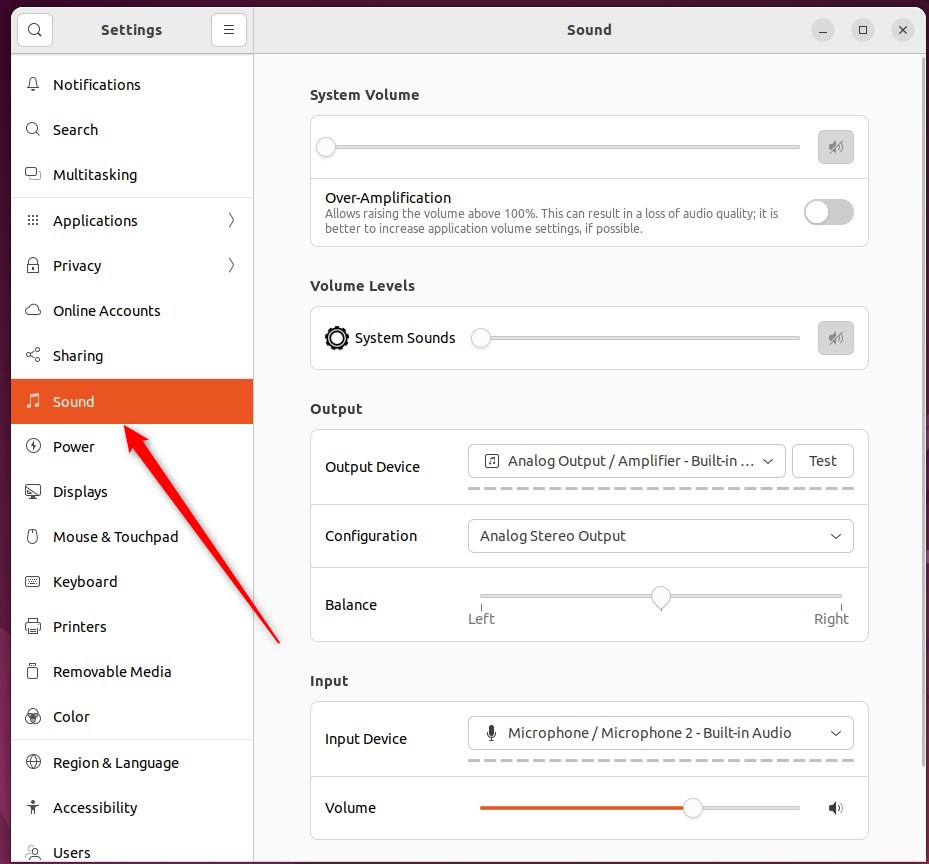
Open the Settings application and click the Sound tile to launch the audio panel.
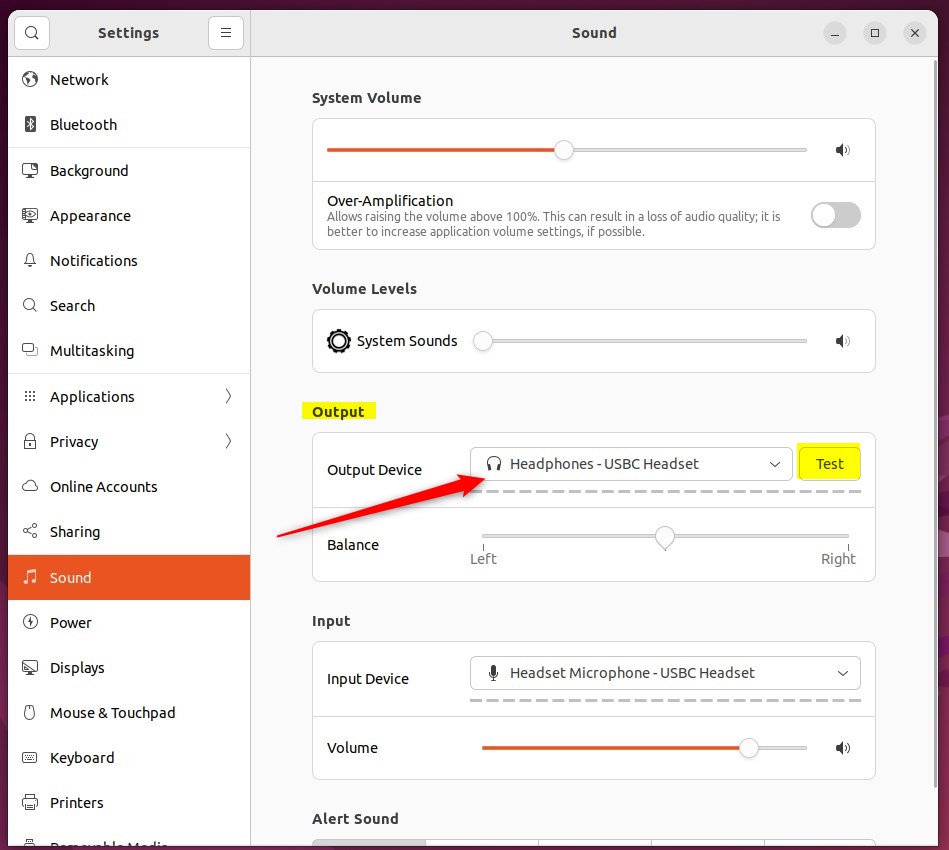
Locate the Output section inside the Sound settings and click the preferred playback device.
Run the Test button to verify that every speaker fires correctly and connects to the appropriate port.
Missing microphones usually indicate that Ubuntu Linux failed to detect the hardware properly.
Adjusting volume levels or muting inputs happens directly within the sound settings panel. This interface provides dedicated hardware controls without requiring deeper system menus.
Close the Settings app once configuration finishes.
Centralizing your audio settings stops sound from leaking to the wrong hardware.
- Setting the default speaker or headphones in Ubuntu Linux ensures the desired audio output for different applications.
- Ubuntu Linux provides a centralized location for adjusting sound settings, allowing users to select and test their preferred output devices.
- Users can easily access and customize sound settings through the System Settings panel, ensuring a seamless experience for managing audio output in Ubuntu Linux.
Was this guide helpful?
0% of readers found this helpful (1 votes)

About the Author
Richard
Tech Writer, IT Professional
Richard is a writer at Geek Rewind who turns complex IT tasks into clear, step-by-step guides. He draws on years of hands-on experience in system administration and enterprise IT operations, focusing on Windows, Linux and WordPress: the problems people actually run into, and the fixes that work. His server and WordPress guides come from systems he runs himself. Richard builds and maintains the platform behind Geek Rewind, from its Ubuntu servers and Nginx configuration to its custom WordPress plugins. Many new tutorials start with readers' questions, and he's always glad to answer them in the comments.



No comments yet — be the first to share your thoughts!