How to Enable or Disable SmartScreen for Microsoft Store Apps on Windows 11

You can enable or disable Microsoft Defender SmartScreen for Microsoft Store apps directly within Windows 11 settings.
SmartScreen is a vital security feature that scans apps and files downloaded from the Microsoft Store, acting as a protective filter against known threats and malicious content.
This protection verifies app safety before you run them, helping to prevent potential malware infections by comparing downloaded applications against a comprehensive database of security risks.
On Windows 11, you can easily toggle this feature on or off to manage how strictly your system checks Store apps for safety.
Open Windows Security, navigate to App & browser control, then Reputation-based protection settings. Locate SmartScreen for Microsoft Store apps and toggle the switch to On or Off.
How SmartScreen Works
Microsoft Defender SmartScreen checks apps and websites to see if they’re safe before you use them.
Managing SmartScreen for Microsoft Store Apps
You can easily turn Microsoft Defender SmartScreen on or off for apps you get from the Microsoft Store right within Windows Security.
- In the search box on your taskbar, type Windows Security and click on Windows Security.
- Click on the App & browser control tile.
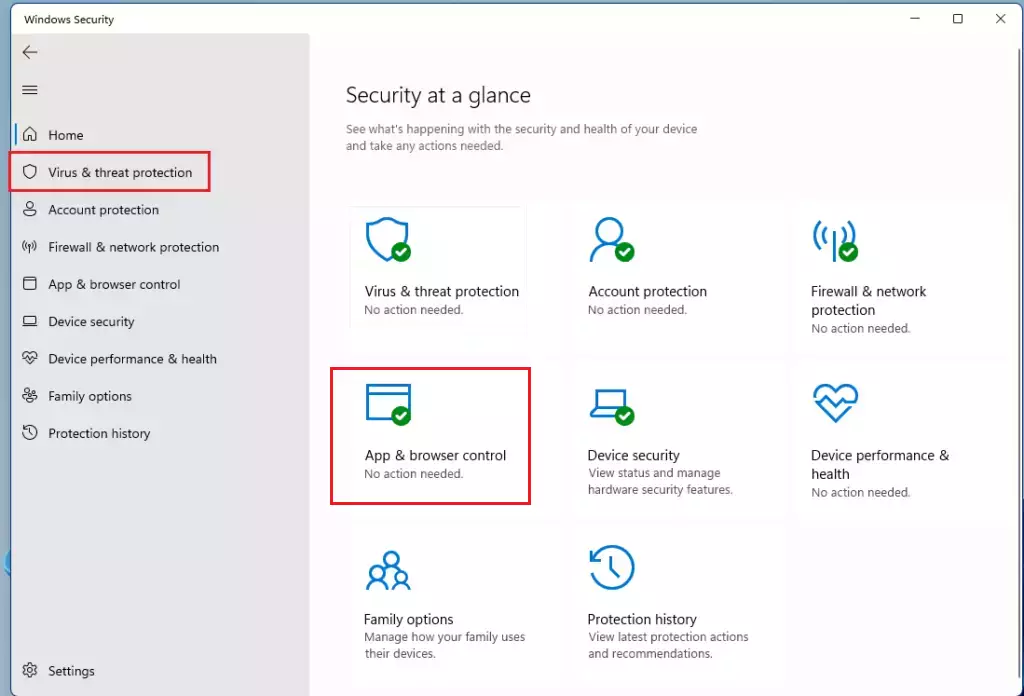
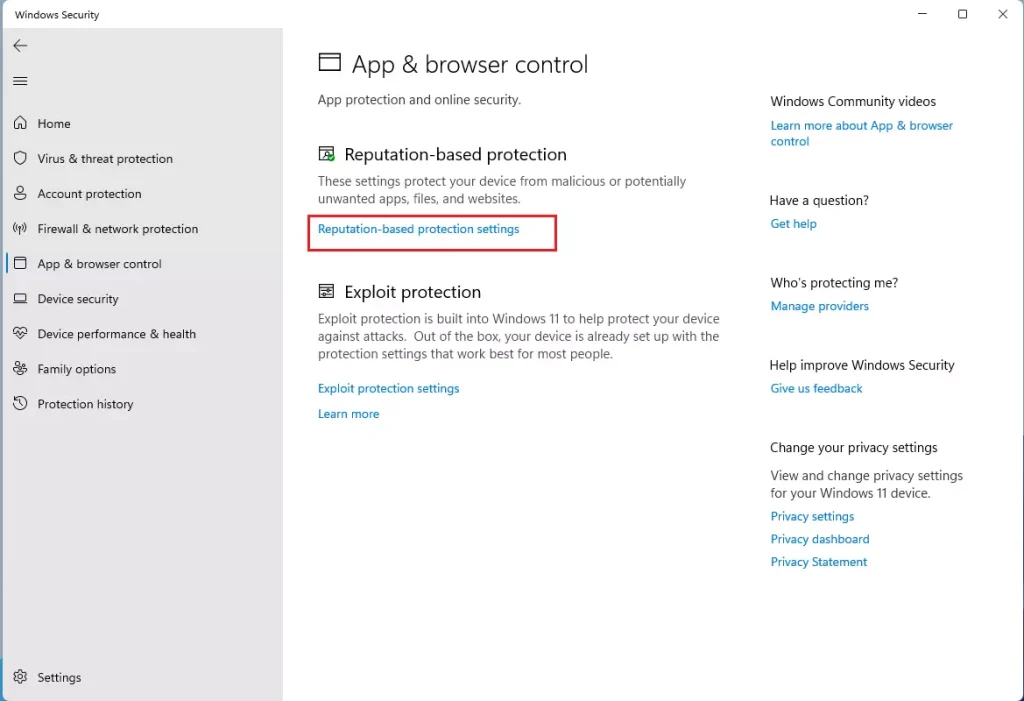
- On the next page, look for Reputation-based protection and click the Reputation-based protection settings link.
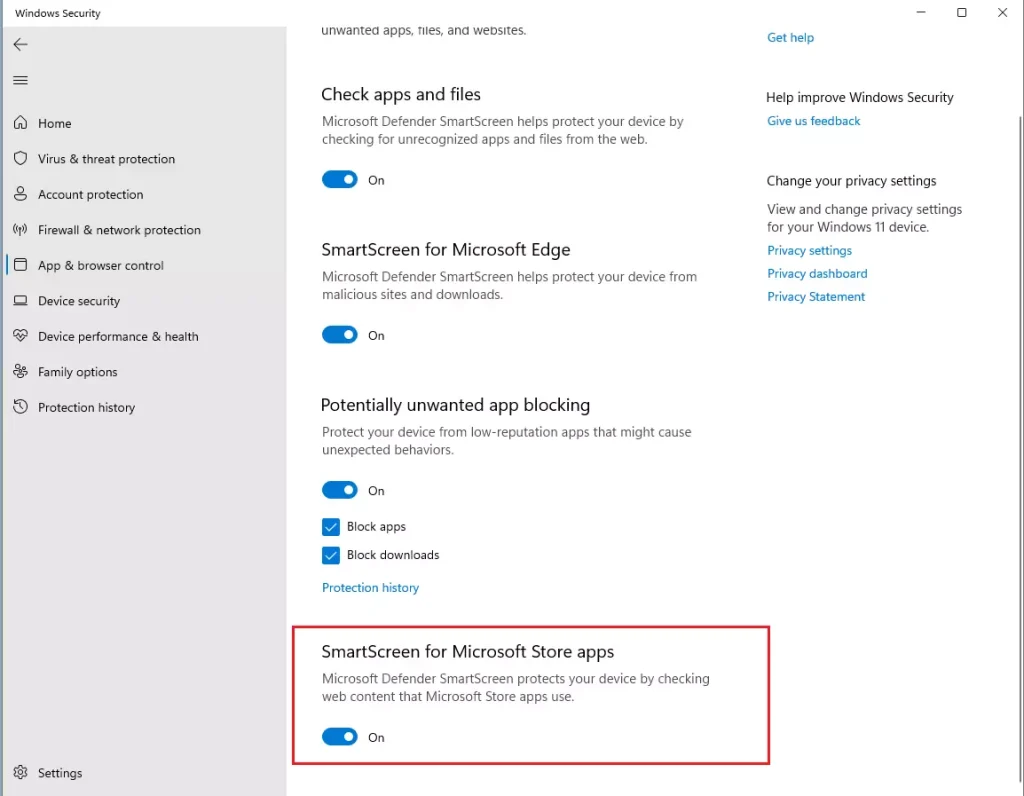
- Find the section labeled SmartScreen for Microsoft Store apps. Toggle the switch to On or Off based on your preference.
Enterprise Management via Group Policy
IT admins can use the Group Policy Editor to manage Microsoft Defender SmartScreen settings across many computers at once.
HKEY_LOCAL_MACHINE\SOFTWARE\Policies\Microsoft\Windows\System
You can set the EnableSmartScreen value to 1 to enable or 0 to disable it.
Troubleshooting and False Positives
If Microsoft Defender SmartScreen incorrectly flags a safe app as dangerous, it’s called a false positive, and you can report it to Microsoft.
Summary
Microsoft Defender SmartScreen is a security feature that helps protect your Windows computer by checking apps and websites for safety.
What does it mean when I see the ‘site reported as unsafe’ warning?
This warning means Microsoft Defender SmartScreen has identified the website as a potential source of phishing or malware. It is highly recommended that you do not proceed to the site, as it may attempt to steal your personal information or install harmful software on your computer.
Does SmartScreen affect system performance?
SmartScreen has a minimal impact on system performance. It performs checks in the background using cloud-based threat intelligence. Most users will not notice any slowdowns while browsing or downloading apps, as the security benefits far outweigh the negligible resource usage required for these safety checks.
Was this guide helpful?

About the Author
Richard
Tech Writer, IT Professional
Richard, a writer for Geek Rewind, is a tech enthusiast who loves breaking down complex IT topics into simple, easy-to-understand ideas. With years of hands-on experience in system administration and enterprise IT operations, he’s developed a knack for offering practical tips and solutions. Richard aims to make technology more accessible and actionable. He's deeply committed to the Geek Rewind community, always ready to answer questions and engage in discussions.


No comments yet — be the first to share your thoughts!