How to Sign In and Out of Widgets on Windows 11

Signing in and out of Windows 11 Widgets helps you manage your personalized info feed (a stream of updates tailored to you) and connect to your Microsoft account.
Widgets on Windows 11 provide at-a-glance updates for news, weather, traffic, and more, directly from your taskbar. When you sign in, Widgets can pull data linked to your Microsoft account, creating a personalized experience.
For instance, signing in lets your Widgets board show personalized news articles based on your interests, or sync your calendar appointments. This process takes only a few moments to complete.
Open the Widgets board by clicking the icon on your taskbar or pressing Windows key + W. Click your account button in the top-left corner and select “Sign Out” to disconnect. To sign back in, find the “Sign in” button on the Widgets board and choose your Microsoft account.
Signing Out of Widgets
You can sign out of Windows 11 widgets if you want to disconnect them from your Microsoft account, which is helpful on shared computers or if you want to use a different account.
- Open the Widgets board. Click the Widgets icon on your taskbar. Or, press
Windows key + Won your keyboard. The Widgets board will slide out from the left.
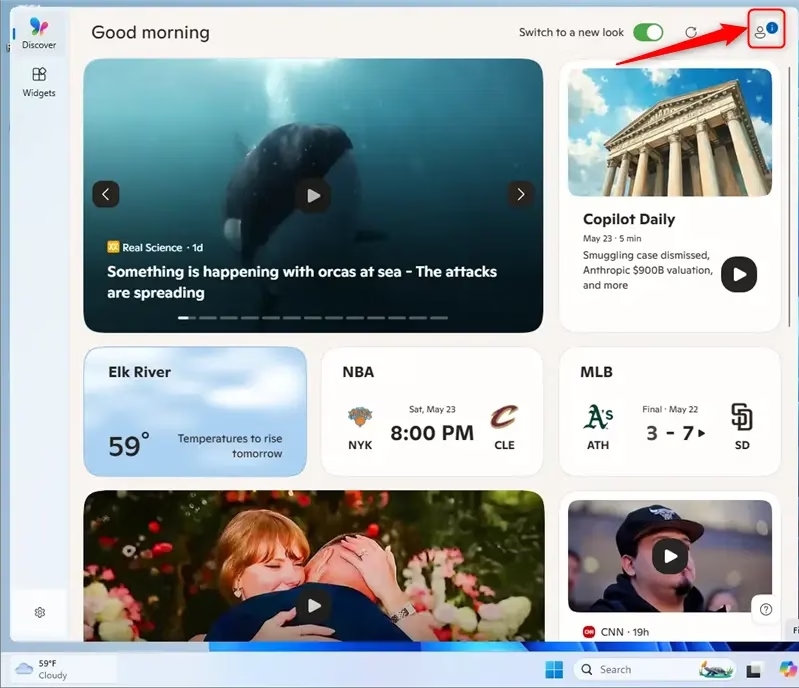
- Find your user account button. Look for a button, usually in the top-left corner. It might show your picture or initials. Click this button.
Tip: If you don’t see your picture, it might show your name or a generic icon. Clicking it is how you get to your account settings in Widgets.
- Select “Sign Out”. A menu will show up after you click your account button. Look for “Sign Out” and click it.
Warning: Signing out will reset your Widgets board to how it was when you first got it. Any Widgets you added might disappear. The content will not be picked just for you anymore.
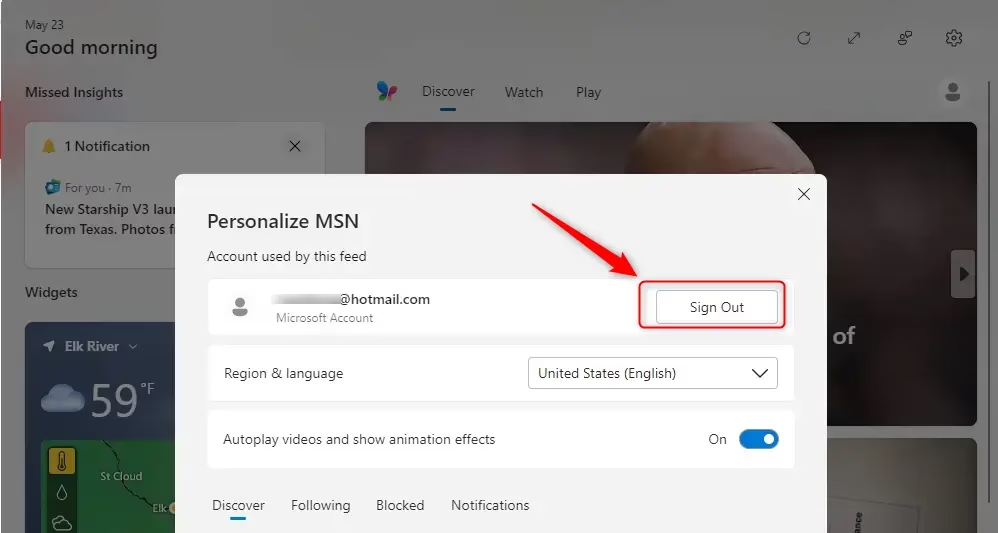
After you sign out, the Widgets board will look more basic. It will prompt you to sign in again to personalize your experience. This is helpful for keeping your information private when necessary.
Signing In to Widgets (or Switching Accounts)
Signing in to Windows 11 widgets uses your Microsoft account to show you personalized news and information, and you can do this right from the Widgets board if you see a ‘Sign in’ button or prompt.
- Open the Widgets board. Click the Widgets icon on your taskbar or press
Windows key + W.
- Look for the “Sign in” option. When you open Widgets after signing out, or if you have never signed in, you will likely see a “Sign in” button. Or, there might be a message at the top asking you to sign in.
Tip: If you signed out and want to use the same account, you might see your picture or name again. Clicking it might let you sign back in. If you want to use a different account, look for something like “Sign in with a different account”.
- Choose your account. A box will ask you to sign in with your Microsoft account. You might see a list of accounts already on your PC. Pick the one you want to use for Widgets.
Practical Tip: Make sure you sign in with the Microsoft account that has your favorite settings and subscriptions. This helps Widgets know what content is best for you.
- Enter your details. If asked, type your Microsoft account password. Or, use other ways to prove it’s you, like a PIN or Windows Hello. Follow the steps on the screen to finish signing in.
Warning: Be careful when you type your login details. Always check that you are on a real Microsoft sign-in page. This stops you from falling for scams. If you are not sure, close Widgets and go to the official Microsoft website to sign in there.
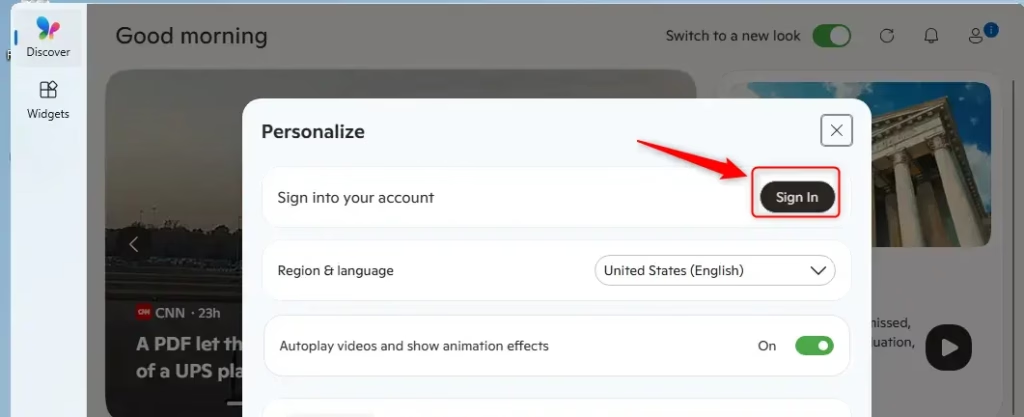
Once you sign in, the Widgets board will update. It will begin displaying content curated specifically for you. This could include news tailored to your interests, weather for your location, and other information based on your preferences and past activity.
Reference:
Summary
Signing out of Windows 11 widgets keeps your information private on shared PCs, while signing in uses your Microsoft account for personalized content like news and weather.
How do I sign out of widgets in 🪟 Windows 11?
To sign out of Widgets in Windows 11, open the Widgets board by clicking its icon on the taskbar or pressing ⊞ Win+W. Then, click your user account button, usually in the top-left corner. From the menu that appears, select ‘Sign out’ to disconnect your Microsoft account from Widgets.
How to use 🪟 Windows 11 widgets without signing in?
You can use Windows 11 widgets without signing in, but they will offer a limited, non-personalized experience. Basic widgets like weather or news headlines may still display generic information. However, to access personalized content, sync with your Microsoft account, or customize settings, signing in is required.
How to fix widgets in 🪟 Windows 11?
If your Windows 11 widgets aren’t working right, the first step to fix them is usually to reset the Widgets app through your computer’s settings.
How to get rid of widgets on Windows login screen?
Widgets do not appear on the Windows 11 login screen. The Widgets board is accessed from the taskbar after you have logged into your user account. If you are seeing unexpected content on your login screen, it might be related to other Windows features or third-party applications.
Was this guide helpful?

About the Author
Richard
Tech Writer, IT Professional
Richard, a writer for Geek Rewind, is a tech enthusiast who loves breaking down complex IT topics into simple, easy-to-understand ideas. With years of hands-on experience in system administration and enterprise IT operations, he’s developed a knack for offering practical tips and solutions. Richard aims to make technology more accessible and actionable. He's deeply committed to the Geek Rewind community, always ready to answer questions and engage in discussions.
No comments yet — be the first to share your thoughts!