How to Share Windows 11 Mobile Hotspot via QR Code

Want to share your Windows 11 mobile hotspot without typing out a long password? This tutorial shows you how to create a QR code that makes it quick and easy for other devices to connect.
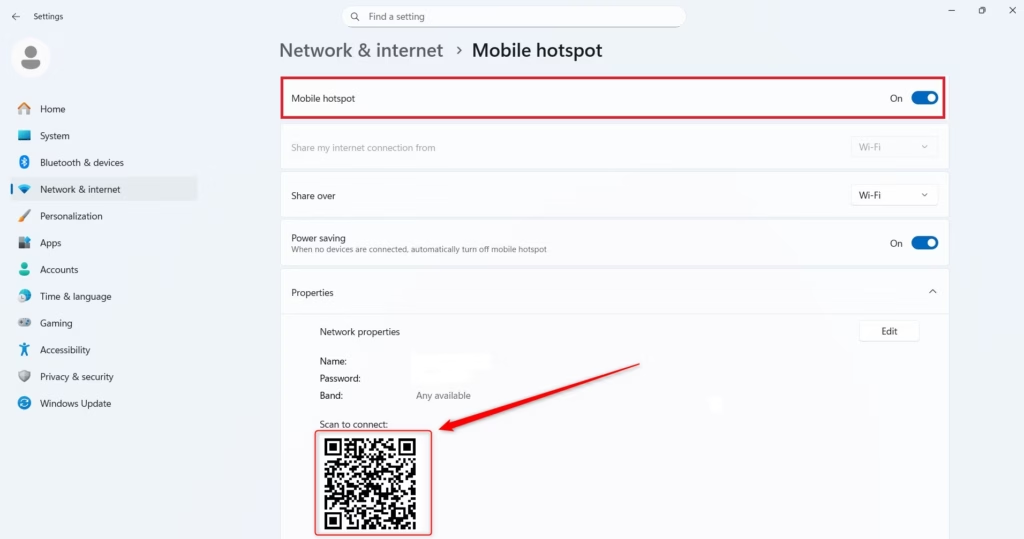
Open Settings by pressing ⊞ Win+I, navigate to Network & internet, then select Mobile hotspot. Other devices can then scan the displayed QR code with their camera to connect instantly.
Why Use a Mobile Hotspot?
Your Windows 11 PC can easily share its internet connection, acting just like a Wi-Fi router for other devices.
What Happens with 🪟 Windows 11 Version 24H2?
A change arrived with Windows 11 version 24H2. Now, a QR code shows up right in your Settings menu. You can use this code to share your network connection quickly. Other devices can scan it and connect right away.
How to Share Your Mobile Hotspot with a QR Code
Sharing your Windows 11 mobile hotspot using a QR code is simple and lets others connect instantly without typing a password.
- Open Settings by pressing
Win+Ion your keyboard. - On the left side, click Network & internet. On the right side, click Mobile hotspot. Open Mobile hotspot settings
- Take another device with a camera. Open the Camera app on that device.
- Point the camera at the QR code shown in Settings. Scan the QR code.
- Follow any steps that appear on the other device to connect to your mobile hotspot.
Use Any QR Code Scanner
You don’t have to use the camera app. You can also use any QR code scanning app on your device. The process is the same.
Summary
Sharing your Windows 11 mobile hotspot with a QR code is a quick way to let friends or family connect to your internet.
How do I find my hotspot QR code?
You can find your Windows 11 mobile hotspot QR code right in the Settings app, making it easy to share your connection.
How to scan hotspot QR code on PC?
Connecting to a mobile hotspot using a QR code on your PC typically involves using your smartphone’s camera app to scan the code displayed.
How to connect to mobile hotspot on PC 🪟 Windows 11?
Connecting your Windows 11 PC to a mobile hotspot is straightforward and involves selecting the hotspot from your available Wi-Fi networks.
How to get Wi-Fi QR code in 🪟 Windows 11?
Windows 11 does not natively generate a QR code for existing Wi-Fi networks in the standard settings menu. You must use a third-party QR code generator website or app. Simply input your Wi-Fi network name (SSID) and password into the tool to create a scannable QR code for easy sharing.
Was this guide helpful?

About the Author
Richard
Tech Writer, IT Professional
Richard, a writer for Geek Rewind, is a tech enthusiast who loves breaking down complex IT topics into simple, easy-to-understand ideas. With years of hands-on experience in system administration and enterprise IT operations, he’s developed a knack for offering practical tips and solutions. Richard aims to make technology more accessible and actionable. He's deeply committed to the Geek Rewind community, always ready to answer questions and engage in discussions.
No comments yet — be the first to share your thoughts!