How to Enable the Hidden Administrator Account in Windows 11

The hidden Administrator account in Windows 11 is a special built-in super-user profile that gives you total control over every file and setting on your PC. Microsoft keeps this powerful account turned off by default on Windows 11 Home and Pro to stop you from making mistakes that could break your system.
You need this account only for deep troubleshooting or fixing stubborn permission blocks that regular administrator accounts cannot touch. Opening it takes just a minute using the Command Prompt or Computer Management tools.
Open Command Prompt as administrator, type net user Administrator /active:yes, and press Enter. Then, set a password using net user Administrator your_strong_password. This enables the account for advanced system control.
What is the Built-in Administrator Account?
Windows 11 includes a special, hidden Administrator account. This profile wields more power than a typical user account, allowing for significant system modifications.
How to Turn On the Hidden Administrator Account
The Command Prompt tool activates the hidden administrator account in Windows 11. Enabling this profile unlocks extensive system control. Following specific commands in Command Prompt unlocks this powerful administrative access.
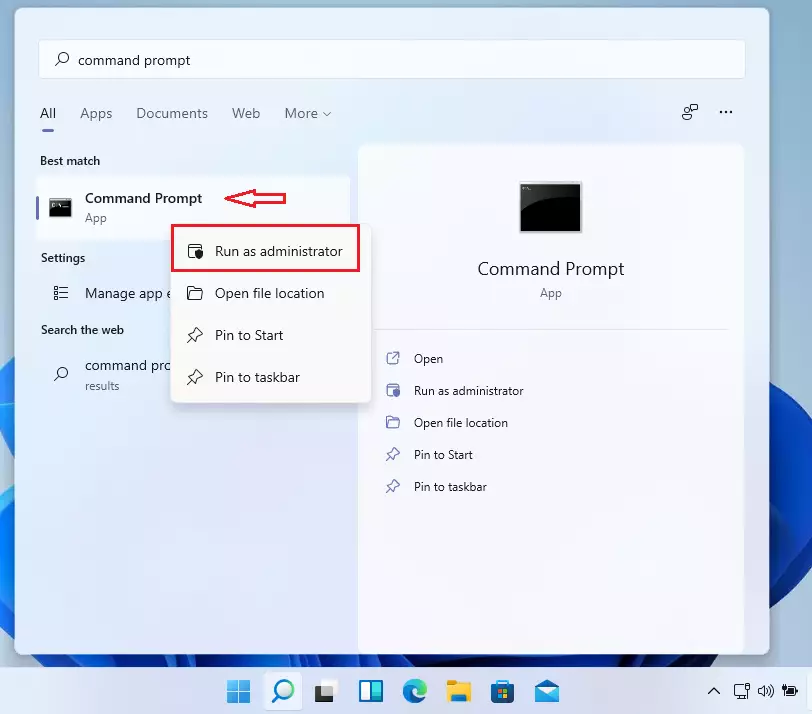
Open Command Prompt as Administrator
- Click on the Start button (Windows icon) or press the Win.
- Type
cmdor Command Prompt. - Right-click on Command Prompt and choose Run as administrator. ⚠️ Admin privileges required
- If a security box pops up, click Yes to allow it.
Enable the Administrator Account
Executing a specific command in Command Prompt turns on the hidden Administrator account in Windows 11. This special profile grants full control over the computer. It proves particularly handy for fixing serious issues when a normal account encounters problems.
net user Administrator /active:yes
Successful execution displays a confirmation message matching this example:
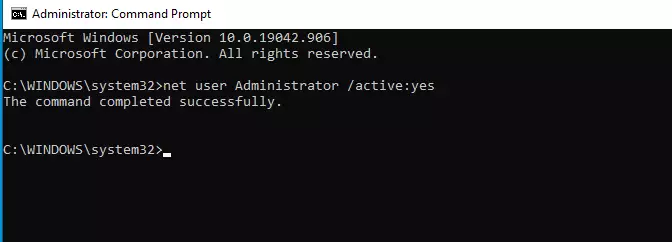
The Administrator account now functions. However, users cannot log into the Administrator account until a password is set, as the account currently lacks one.
Set a Password for the Administrator Account
Once enabled, the Administrator account in Windows 11 requires a strong password immediately. This step remains crucial because the account holds total control over the PC. A robust password prevents unauthorized access and unwanted system changes.
Within the same Command Prompt window, type this command while replacing your_strong_password with a chosen password (make it something complex and hard to guess):
net user Administrator your_strong_password
For instance, entering a sample password like MySecurePass123! requires this format:
net user Administrator MySecurePass123!
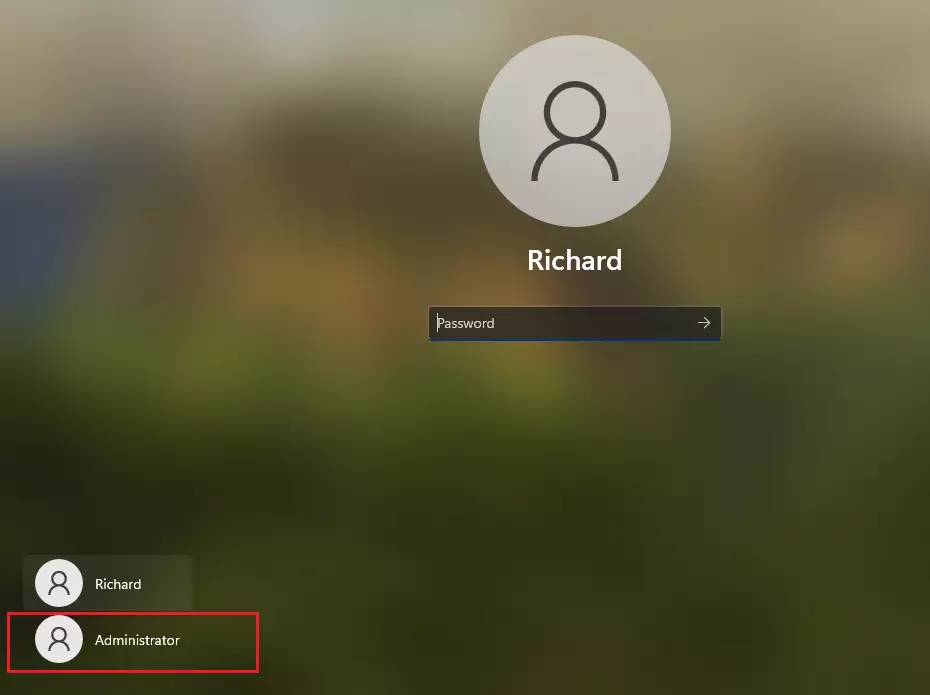
After completing this step, signing out of the current user profile reveals the Administrator account as an option for signing in with the new password.
How to Turn Off the Administrator Account
Disabling the hidden Administrator account in Windows 11 remains important once tasks finish. Deactivating the Administrator account prevents accidental system changes and protects the PC from unauthorized access. Remember to turn off the Administrator account when it serves no further purpose.
Open Command Prompt as administrator (refer to the steps above), then type this command and press Enter: ⚠️ Admin privileges required
net user Administrator /active:no
What happens? This action hides and disables the Administrator account again.
Summary
- The hidden Administrator account has full control of Windows 11.
- It's useful if your main account stops working or you need to fix big problems.
- Always set a strong password when you turn it on.
- Be careful using this account — it can make big changes to your PC.
- Turn off the Administrator account when you don't need it to keep your PC safe.
- If you want to learn more about Windows 11 tips and tricks, visit Microsoft Support for Windows.
The hidden Administrator account in Windows 11 grants full control over the PC. This profile assists with resolving significant issues or overcoming primary account malfunctions. Always assign a strong password to the hidden Administrator account and remember to turn off the hidden Administrator account after use to ensure system safety.
Was this guide helpful?

About the Author
Richard
Tech Writer, IT Professional
Richard, a writer for Geek Rewind, is a tech enthusiast who loves breaking down complex IT topics into simple, easy-to-understand ideas. With years of hands-on experience in system administration and enterprise IT operations, he’s developed a knack for offering practical tips and solutions. Richard aims to make technology more accessible and actionable. He's deeply committed to the Geek Rewind community, always ready to answer questions and engage in discussions.


No comments yet — be the first to share your thoughts!