How to Enable or Disable Transparency Effects in Windows 11

Transparency effects in Windows 11 add a see-through blur to the Start menu , taskbar, and app windows to make your desktop look modern. These visual styles run through the Personalization settings app on all Windows 11 builds.
Turning off transparency helps older PCs run faster and makes text easier to read against solid backgrounds. You can switch these settings on or off in a few clicks.
Go to Settings Personalization Colors. Toggle the “Transparency effects” switch to On or Off to control visual effects like the blurred Start menu and taskbar.
How To Turn Transparency Effects On or Off
Here are three simple ways to change the transparency effects on your Windows 11 PC.
Option 1Using Personalization Settings
- Press Win+I on your keyboard to open Settings .
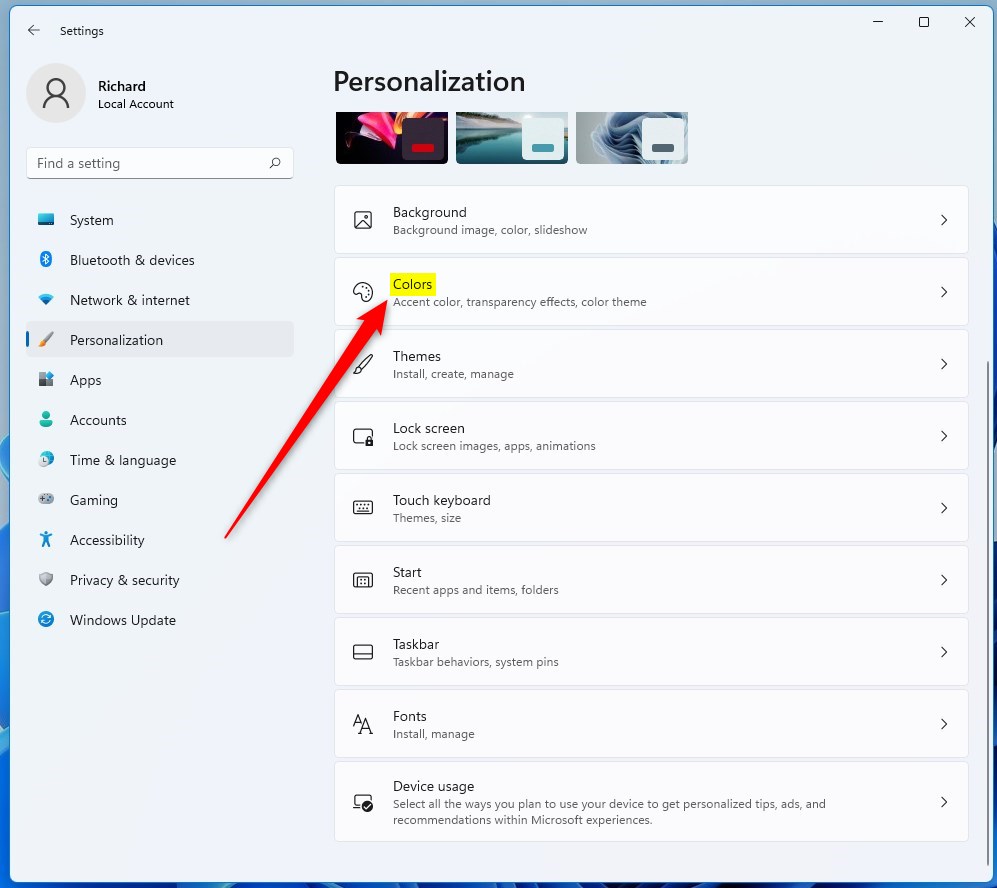
- Click on Personalization in the left menu, then click Colors on the right.
- Find the Transparency effects switch and turn it On or Off based on your preference.
- Close Settings when you’re done.
You can easily turn Windows 11 transparency effects on or off using the main Settings app . Just open Settings by pressing Win+I, then go to Personalization and click on Colors. Look for the Transparency effects switch and flip it to your preferred setting.
Option 2Using Accessibility Settings
- Press Win + I to open Settings.
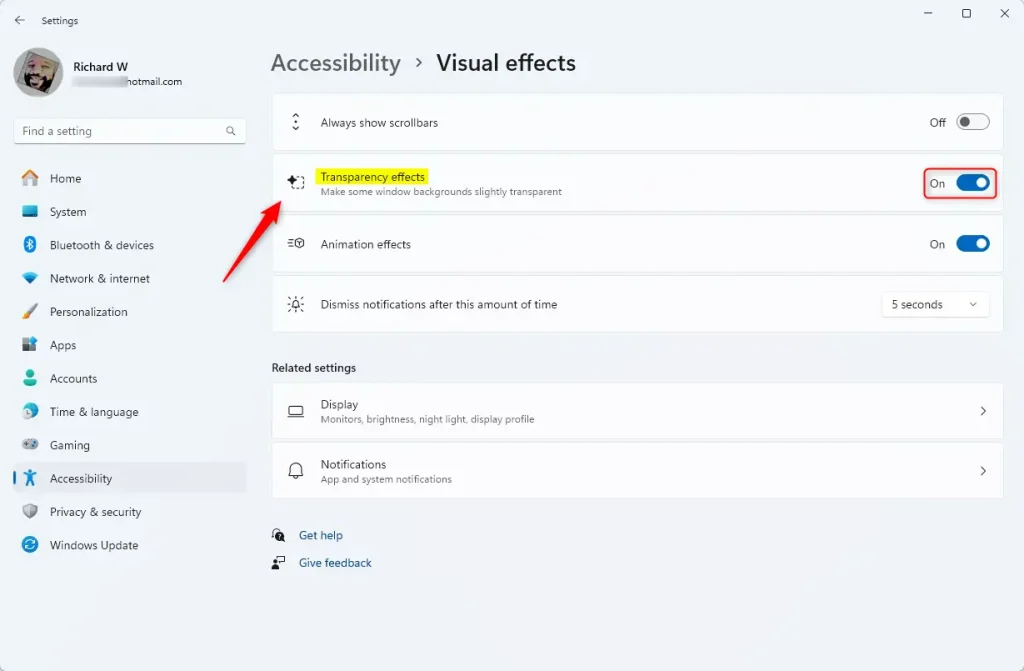
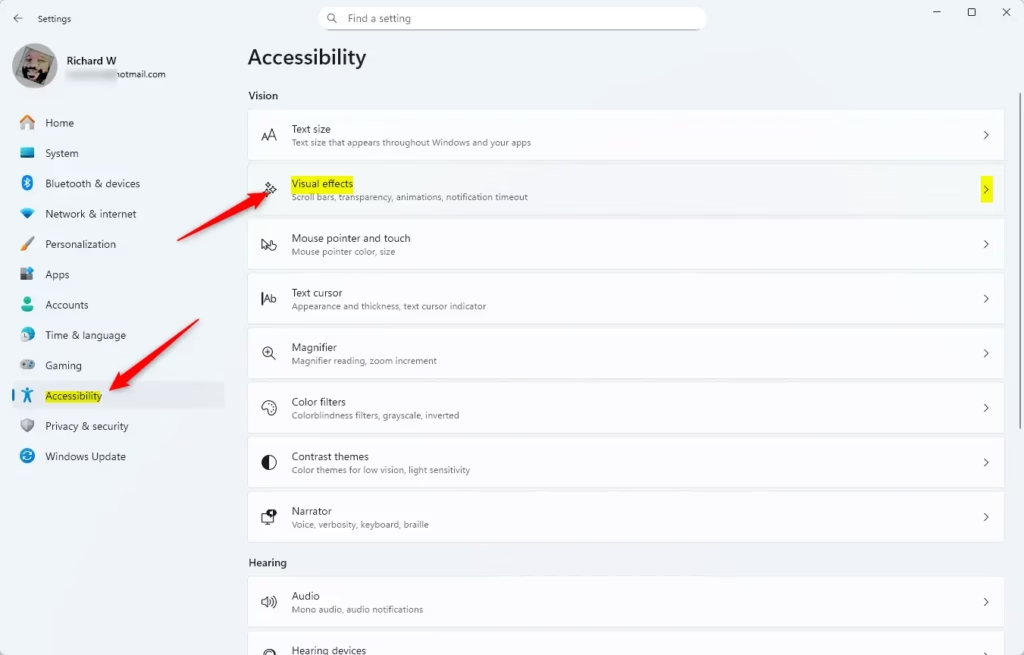
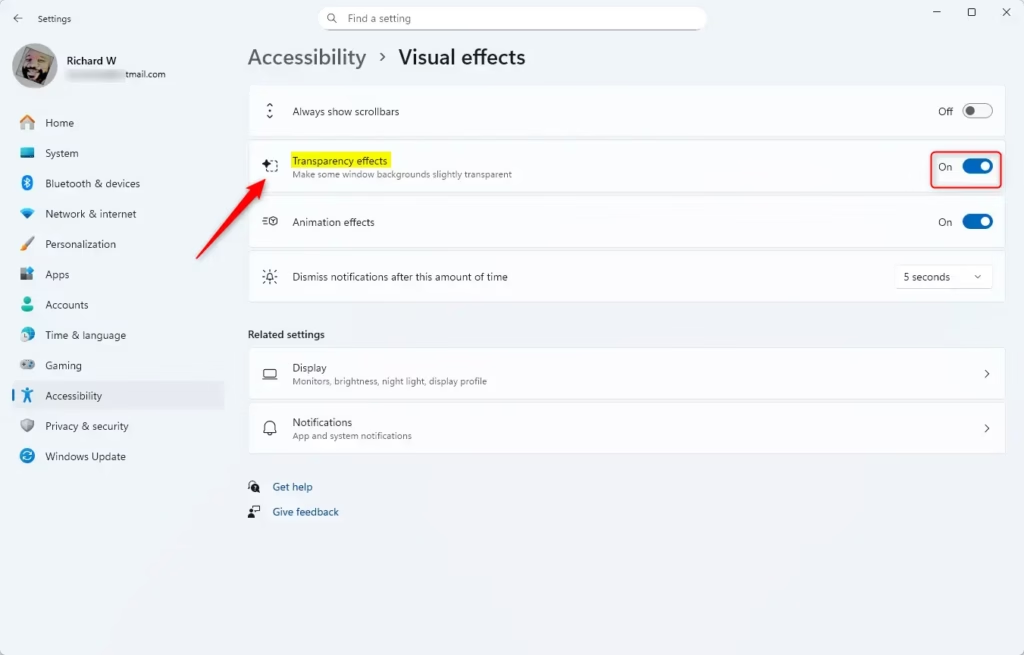
- Click Accessibility on the left side, then click Visual effects on the right.
- Turn the Transparency effects switch On or Off.
- Close Settings when finished.
You can open Visual effects settings directly here: Open Visual Effects Settings
Option 3Using the Registry Editor (Advanced)
If you're comfortable with more advanced settings, you can change Windows 11 transparency effects using the Registry Editor. This tool lets you fine-tune system options. To turn transparency effects back on, you'll use a specific command in the Registry Editor.
To Turn On Transparency Effects (Default):
reg add "HKEY_CURRENT_USER\Software\Microsoft\Windows\CurrentVersion\Themes\Personalize" /v EnableTransparency /t REG_DWORD /d 1 /fTo Turn Off Transparency Effects:
reg add "HKEY_CURRENT_USER\Software\Microsoft\Windows\CurrentVersion\Themes\Personalize" /v EnableTransparency /t REG_DWORD /d 0 /fMaking incorrect changes can cause problems with your PC. It's a good idea to back up the Registry before making changes. %%SC0%%
Summary
- Personalize your PC: Transparency effects help make your Windows 11 look modern and stylish.
- Easy to change: You can quickly turn transparency on or off through Settings or the Registry.
- Accessibility friendly: You can disable transparency if it's hard for you to see or causes distractions.
- High Contrast mode: If you use High Contrast for better visibility, transparency effects will be turned off automatically.
Transparency effects make your Windows 11 look modern and stylish, personalizing your PC's look. You can quickly turn these transparency effects on or off through Settings or the Registry. Disabling transparency effects can also help if you find it hard to see or if transparency effects cause distractions.
How to turn on transparency effects in 🪟 Windows 11?
Windows 11 accessibility settings allow you to enable or disable transparency effects. On your Windows 11 PC, press Win + I to open the Settings app. Go to Accessibility Visual effects. Toggle Transparency Effects on or off based on your preference to enable or disable them.
Do transparency effects affect performance in 🪟 Windows 11?
Transparency effects can significantly impact performance, especially for low-resource devices. However, if your device is still sluggish even after disabling transparency effects, consider turning off other visual effects via Settings.
How to make 🪟 Windows 11 fully transparent?
To change the transparency level in Windows 11, go to Settings Personalization Colors, and then scroll down to the Transparency effects section. Toggle the switch to turn transparency effects on or off.
Why is the translucent effects not working in 🪟 Windows 11?
If Windows 11 transparency effects aren't working, the first steps are to check for Windows updates and ensure the setting is turned on in Personalization.
Was this guide helpful?

About the Author
Richard
Tech Writer, IT Professional
Richard, a writer for Geek Rewind, is a tech enthusiast who loves breaking down complex IT topics into simple, easy-to-understand ideas. With years of hands-on experience in system administration and enterprise IT operations, he’s developed a knack for offering practical tips and solutions. Richard aims to make technology more accessible and actionable. He's deeply committed to the Geek Rewind community, always ready to answer questions and engage in discussions.



No comments yet — be the first to share your thoughts!