How to Enable or Disable Lock Screen Background in Windows 11


The lock screen background in Windows 11 is the picture or solid color you see before you sign in with your password or PIN. If you turn the background off for the sign-in screen, Windows drops the featured photo and shows a plain solid color behind the sign-in box instead.
The quickest way is Settings Personalization Lock screen, and it takes a few clicks. The result is a cleaner startup screen without extra photos. The setting can be reversed at any time. If the toggle is missing or greyed out, or you manage several PCs, the Registry Editor and Group Policy methods below do the same job.
Open Settings with Win+I, then go to Personalization Lock screen and switch off “Show the lock screen background picture on the sign-in screen.” The sign-in screen switches to a solid color right away, with no restart needed. If the toggle is missing or greyed out, use the Registry Editor method instead.
Method 1Using Personalization Settings
This is the method to try first. It uses the standard Settings app , needs no advanced tools, and works the same on Windows 11 Home and Pro. It switches off the background picture on the sign-in screen and replaces it with a solid color.
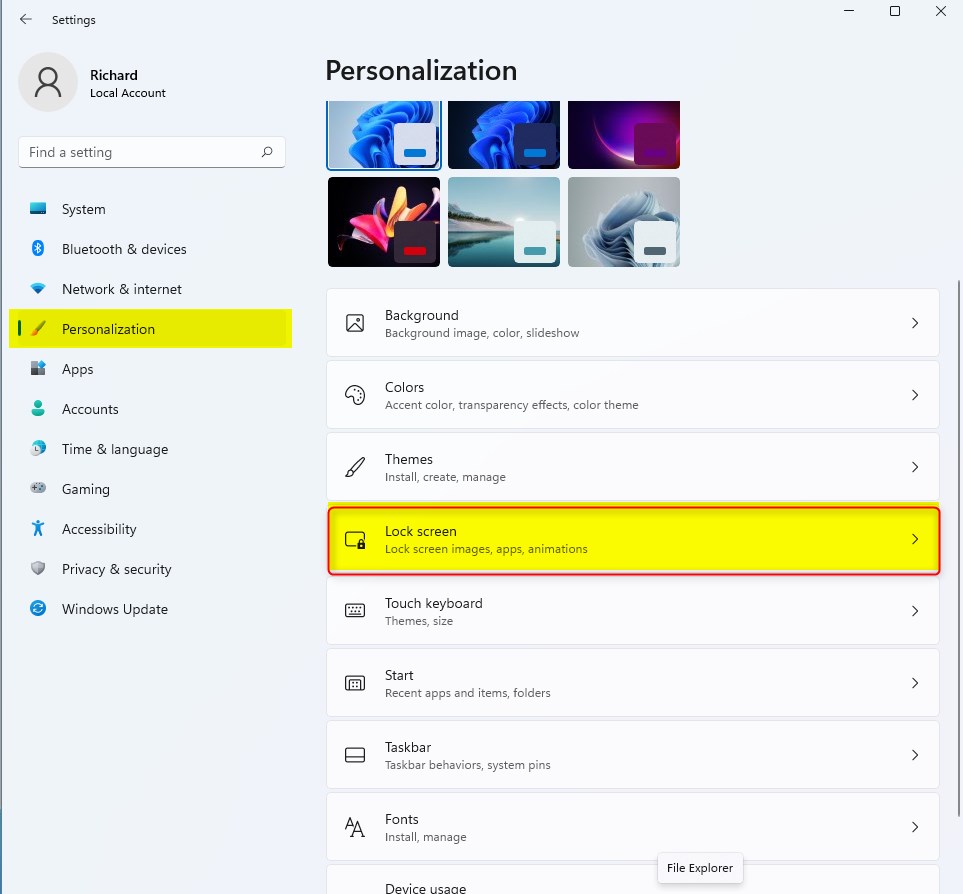
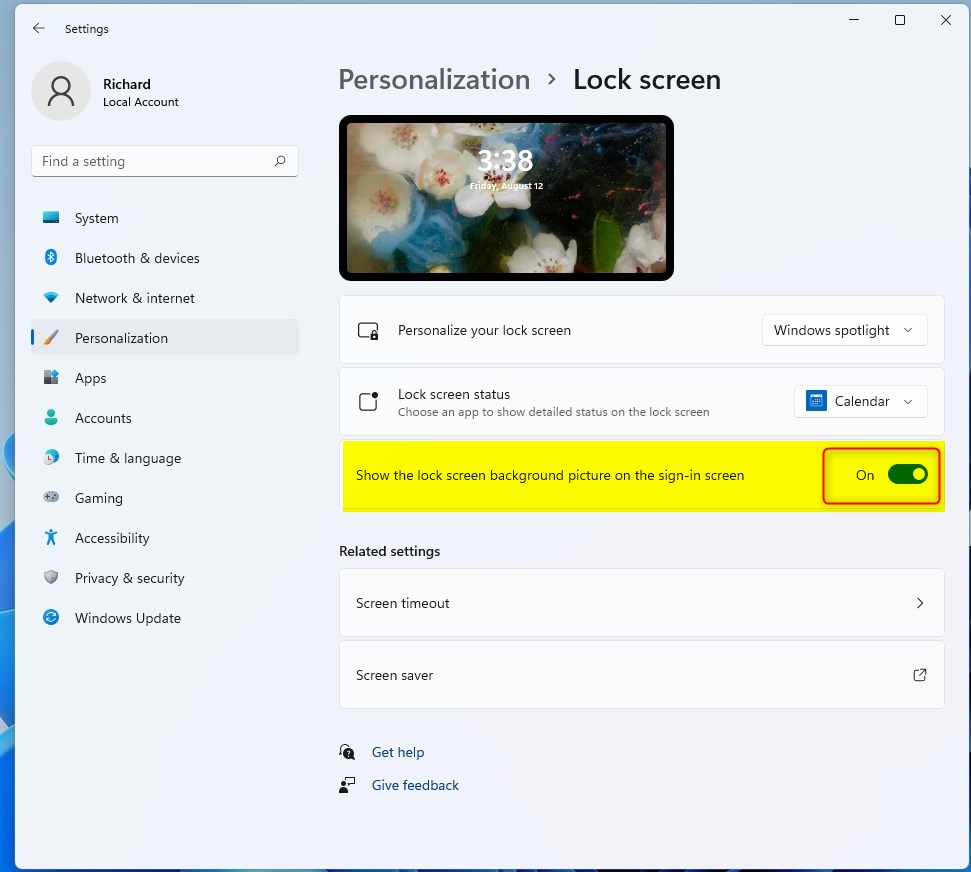
Press Win+I to open Settings . Click Personalization in the left menu, then select Lock screen. The lock screen options now appear on the right. Scroll down to the option labeled Show the lock screen background picture on the sign-in screen and set its switch to Off.
The change applies right away, with no restart. To check it, press Win+L to lock the PC. The lock screen itself may still show your picture or Spotlight image. After you dismiss it, the sign-in screen should show a solid color instead of the photo. To undo the change, set the same switch back to On.
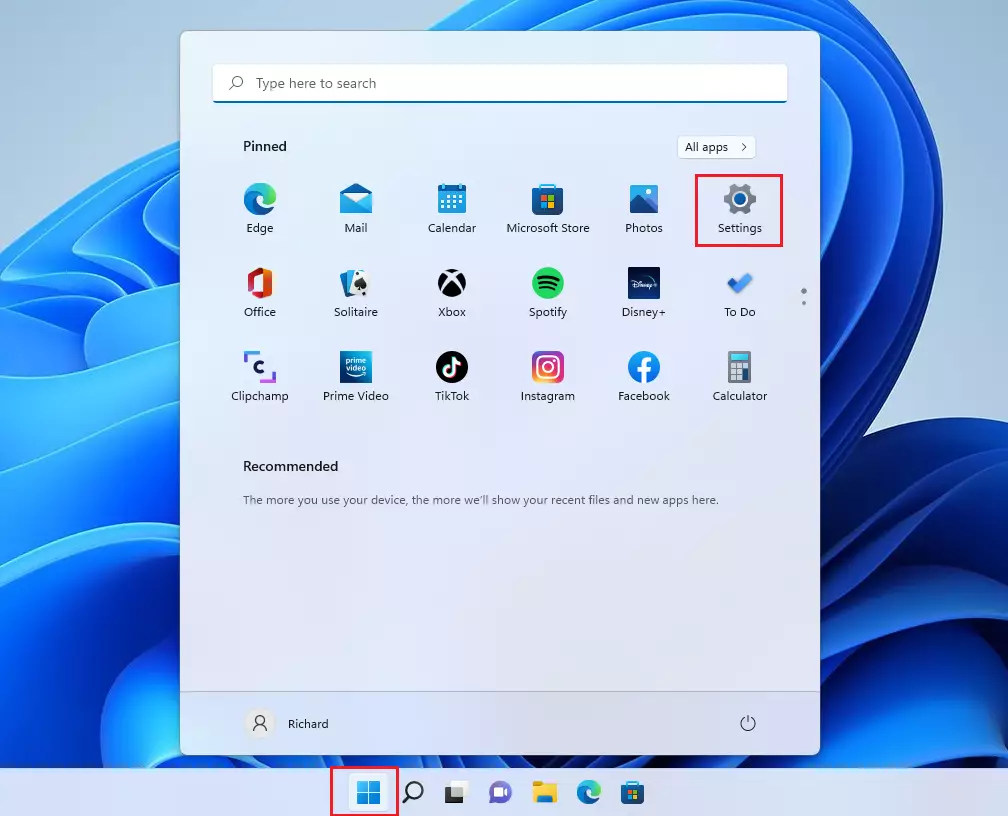
- Open the Settings app by pressing Win+I.
- Click on Personalization in the left menu.
- Select Lock screen.
- Find the option: Show the lock screen background picture on the sign-in screen.
- Toggle the switch to Off.
Method 2Using the Registry Editor (Advanced)
You will edit the registry, which is the system database where Windows stores its configuration. A wrong edit can cause problems, so create a restore point or back up the registry before you start.
Approve the User Account Control prompt. You need an administrator account to make this change. Then follow the steps below to create a new DWORD value that hides the picture on your sign-in screen.
Sign out and back in, or restart the PC, so the change takes effect. To undo it, delete the DWORD value you created or set it back to its previous value. Then restart again.
- Press Windows key + R, type regedit, and press Enter.
- Navigate to: HKEY_LOCAL_MACHINE\SOFTWARE\Policies\Microsoft\Windows\System
- If the System key does not exist, right-click Windows, select New Key, and name it System.
- Right-click in the right pane, select New DWORD (32-bit) Value, and name it DisableLogonBackgroundImage.
- Double-click it and set the Value data to 1 to disable the image.
Method 3Using Group Policy Editor (Pro/Enterprise)
Users with Windows 11 Pro or Enterprise can disable the lock screen background picture with a system policy. This is the better choice on work PCs, because a policy overrides the toggle in Settings and ordinary users cannot switch it back on. Windows 11 Home does not include this editor, so use the registry method above instead.
Press Windows key + R to open the Run dialog box, type gpedit.msc and press Enter. The Local Group Policy Editor opens. Follow the steps below and enable the policy that prevents the background image from showing on the sign-in screen.
Sign out and back in, or restart the PC, to be sure the policy is applied. To undo it, open the same policy again and set it to Not Configured.
- Press Windows key + R, type gpedit.msc, and press Enter.
- Go to Computer Configuration Administrative Templates Control Panel Personalization.
- Find Turn off lock screen background.
- Double-click it and select Enabled to remove the background.
Pro Tip: Windows Spotlight vs. Picture Mode
Windows Spotlight automatically downloads new images from the internet and rotates them on the lock screen. If you would rather have a fixed image, go to Settings Personalization Lock screen and select Picture in the Lock screen settings. Then choose one of the pictures offered or browse for your own.
Turning off the background is a separate setting. It only affects the sign-in screen, which then shows a plain color. If you want a photo before you sign in, leave the background switch on and pick the image you want.
Summary
You can manage the Windows 11 lock screen background with the standard Settings app, or with the Registry Editor and Group Policy Editor when you need more control. Settings works on every edition. Use the Registry Editor on Home and the Group Policy Editor on Pro or Enterprise.
Have a question about this guide?
Answered by AI from this guide. Good questions may be added to this page — please don't include personal details.
Did this guide fix your problem?

About the Author
Richard
Tech Writer, IT Professional
Richard is a writer at Geek Rewind who turns complex IT tasks into clear, step-by-step guides. He draws on years of hands-on experience in system administration and enterprise IT operations, focusing on Windows, Linux and WordPress: the problems people actually run into, and the fixes that work. His server and WordPress guides come from systems he runs himself. Richard builds and maintains the platform behind Geek Rewind, from its Ubuntu servers and Nginx configuration to its custom WordPress plugins. Many new tutorials start with readers' questions, and he's always glad to answer them in the comments.
[…] surfaces slightly transparent, including context menus, File Explorer, Quick Settings, Settings, sign-in screen, Start menu, and […]