How to Manage Activity History in Windows 11

Activity history in Windows 11 saves a record of the apps you open, the websites you visit, and the files you use, so you can pick up where you left off. It runs in the background on your PC. If you sign in with a Microsoft account, it can also sync that data to your other devices.
Turning off activity history stops Windows from logging your daily habits, which helps your privacy. You can clear the data already stored, turn off tracking, or do both. There are two places to do this: the Microsoft Privacy Dashboard online, and the Settings app on your PC. The cloud copy and the local copy are managed separately, so I cover both.
Open Settings Privacy & security Activity history, then set the “Send my activity history to Microsoft” switch to Off to stop tracking. To clear existing data stored in the cloud, sign into the Microsoft Privacy Dashboard, go to Activity history, and click Clear activity.
How to View and Clear Activity History
The Microsoft Privacy Dashboard shows the activity data Microsoft holds in the cloud for your account. Clearing it there removes your recent data from Microsoft’s servers. You can do this from any device with a browser, not just the PC that collected the data.
- Open the Microsoft Privacy Dashboard in your web browser.
- Sign in with your Microsoft account. Use the same account you sign in with on your PC. A different account will show different data.
- Go to the Activity history tab. You should see a list of the activity saved for your account.
- Review the entries, then click Clear activity to remove them from the cloud.
It does not stop Windows from collecting new activity. To do that, change the setting on the PC itself, as described in the next section. If you use a local account instead of a Microsoft account, there is nothing to sync, and this dashboard step does not apply to you.
How to turn activity history settings on or off
To turn activity history tracking on or off on your PC, use the Settings app. The path is Settings Privacy & security Activity history The steps below walk through it.
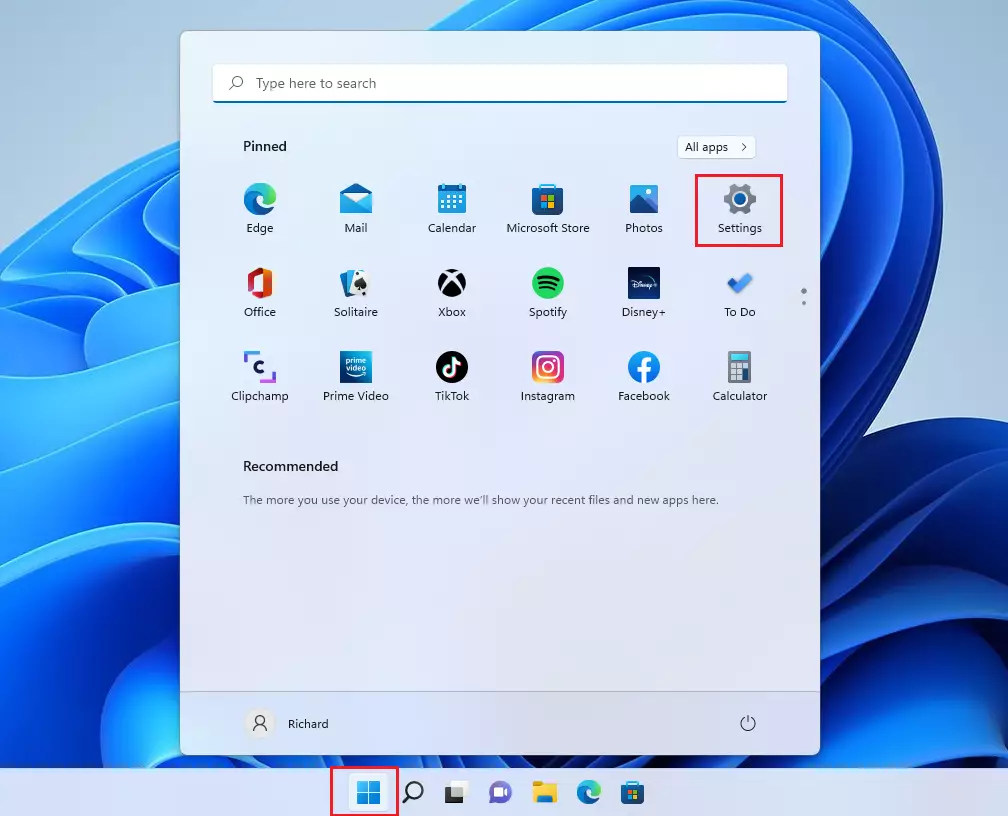
- Open the Settings app. Press Win+I on your keyboard, or click Start and then Settings. The Settings window should open with a list of categories on the left.
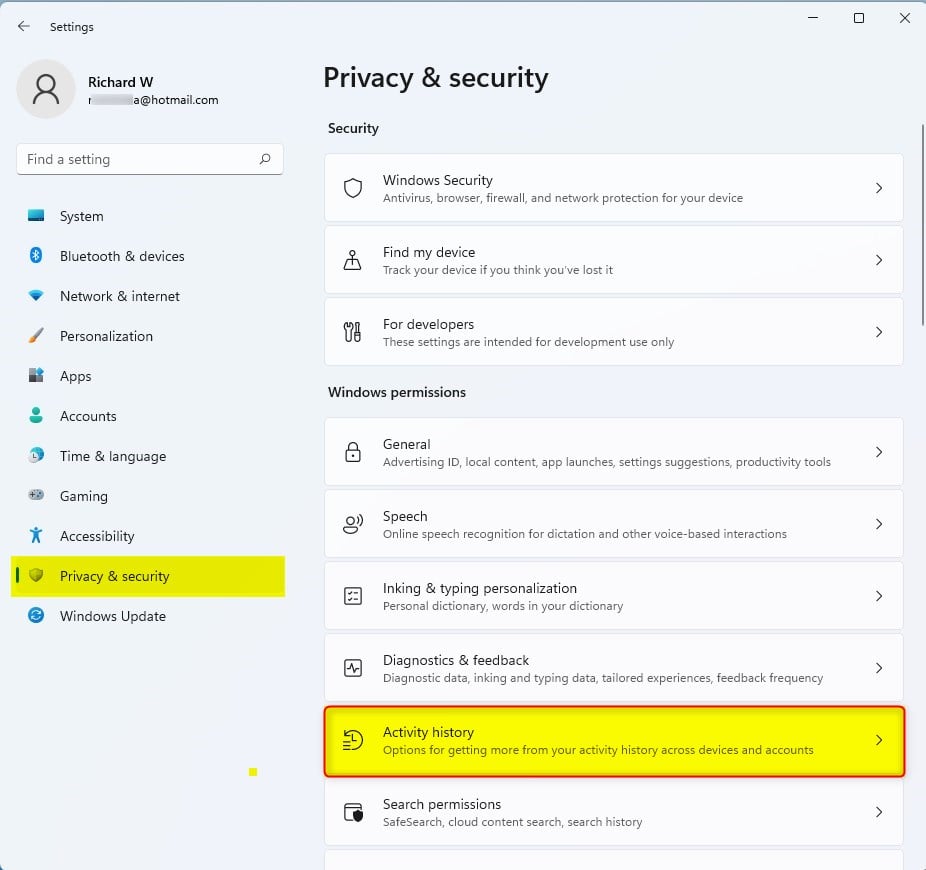
- In the Settings window, click Privacy & security in the left sidebar. The privacy options appear on the right.
- Select the Activity history tile on the right side of the screen. The Activity history page opens.
If you can’t find the Activity history tile, your build of Windows 11 may have moved or removed it. Microsoft has changed these pages between updates. Run Windows Update to see whether the page appears, or use the Privacy Dashboard method above to manage the cloud copy.
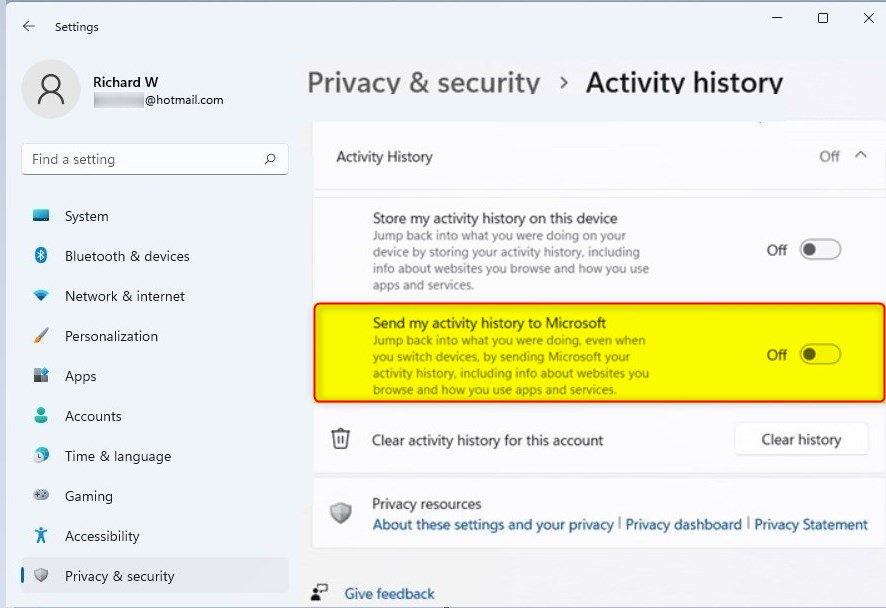
- On the Activity history page, find the option labeled Send my activity history to Microsoft.
- Set the switch to On or Off, whichever you prefer. Choose Off if you don't want your activity sent to Microsoft. The switch should change at once, and you don't need to restart Windows.
To undo the change, return to the same page and flip the switch back. If the option is greyed out or missing, check two things. First, you may be signed in with a local account, which has no cloud sync. Second, a work or school PC may have this setting managed by your organization's administrator, so you can't change it yourself. Home and Pro behave the same here.
You don't need administrator rights to change these settings. Privacy settings belong to your user account, so your choices only affect your own profile on the device. Other people who use the PC keep their own settings.
If your search results stop showing your most frequently used files, you may want to re-enable this feature.
Summary
Managing your Windows 11 activity history gives you control over what data Microsoft stores. Check the Privacy Dashboard now and then to make sure nothing is saved that you did not expect.
Was this guide helpful?

About the Author
Richard
Tech Writer, IT Professional
Richard is a writer at Geek Rewind who turns complex IT tasks into clear, step-by-step guides. He draws on years of hands-on experience in system administration and enterprise IT operations, focusing on Windows, Linux and WordPress: the problems people actually run into, and the fixes that work. His server and WordPress guides come from systems he runs himself. Richard builds and maintains the platform behind Geek Rewind, from its Ubuntu servers and Nginx configuration to its custom WordPress plugins. Many new tutorials start with readers' questions, and he's always glad to answer them in the comments.




No comments yet — be the first to share your thoughts!