How to Enable or Disable Animations in Ubuntu


Ubuntu animations are the visual effects that make windows fade, slide, and bounce across your screen. Turning off these extra effects makes older or slower computers feel much faster and more responsive. This matters most on machines with weak graphics hardware or little memory, and on virtual machines, where the effects can look choppy.
You can switch desktop animations on or off in Ubuntu 22.04 LTS and newer versions whenever you want to trade fancy visuals for extra speed. The change applies to your own user account, takes effect right away, and needs no restart. You can reverse it at any time.
Open Settings, click Accessibility, and in the Seeing section switch off Enable Animations. Windows will open and close, with no fading or sliding, and the change takes effect immediately without a restart. You don’t need an administrator password, and you can turn the switch back on at any time.
Turn on or off desktop animations on Ubuntu Linux
You can disable animations in Ubuntu from the main Settings app, using the accessibility options. Turning off these visual effects makes older computers feel faster and more responsive. Keeping them on makes windows fade and slide smoothly as you open and close them.
Any user can do it. You don’t need an administrator password.
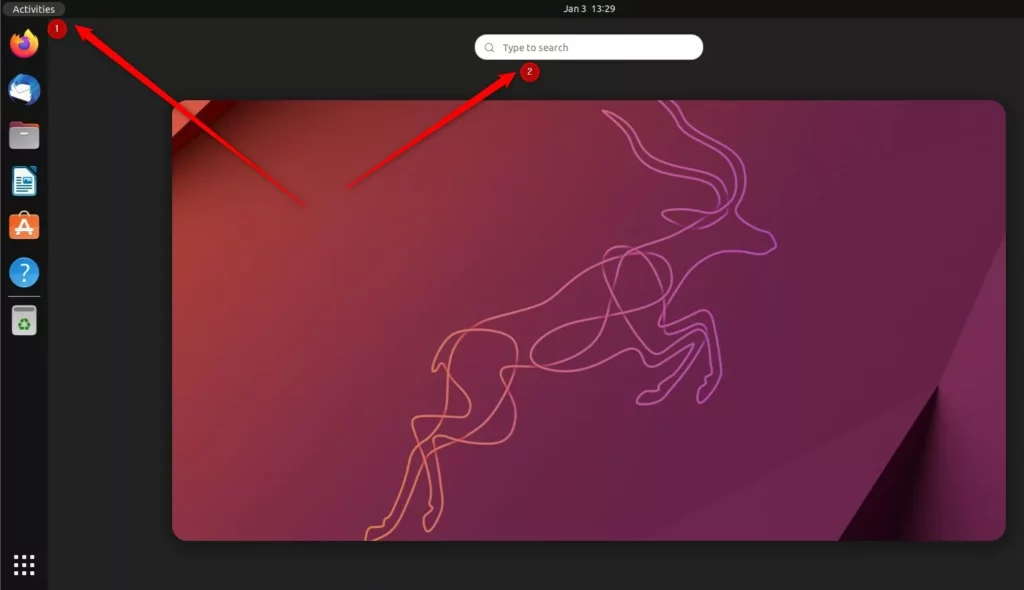
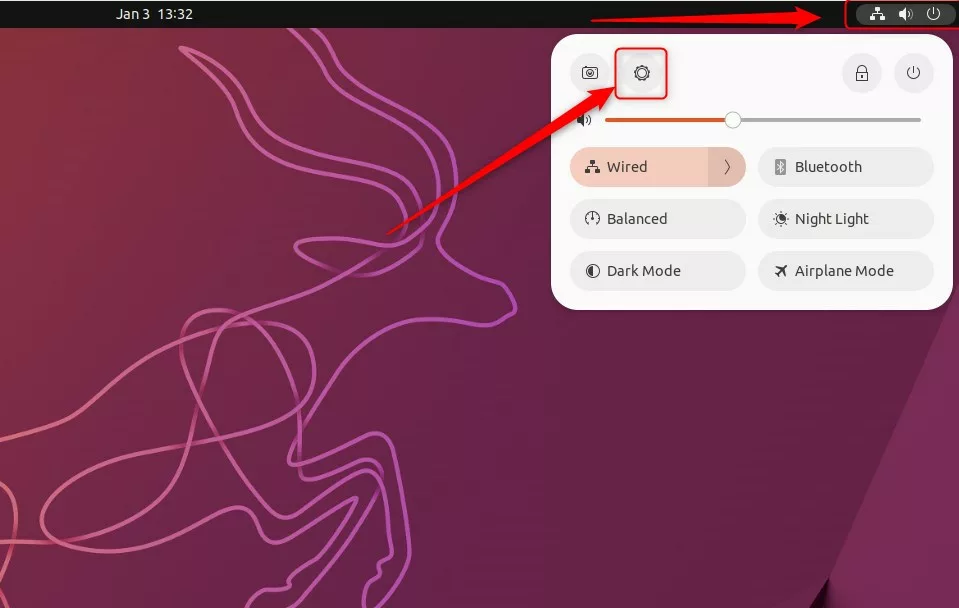
Open the Settings app and find the animation switch in the Accessibility section:
- Open the Settings app from the Activities overview or the application menu.
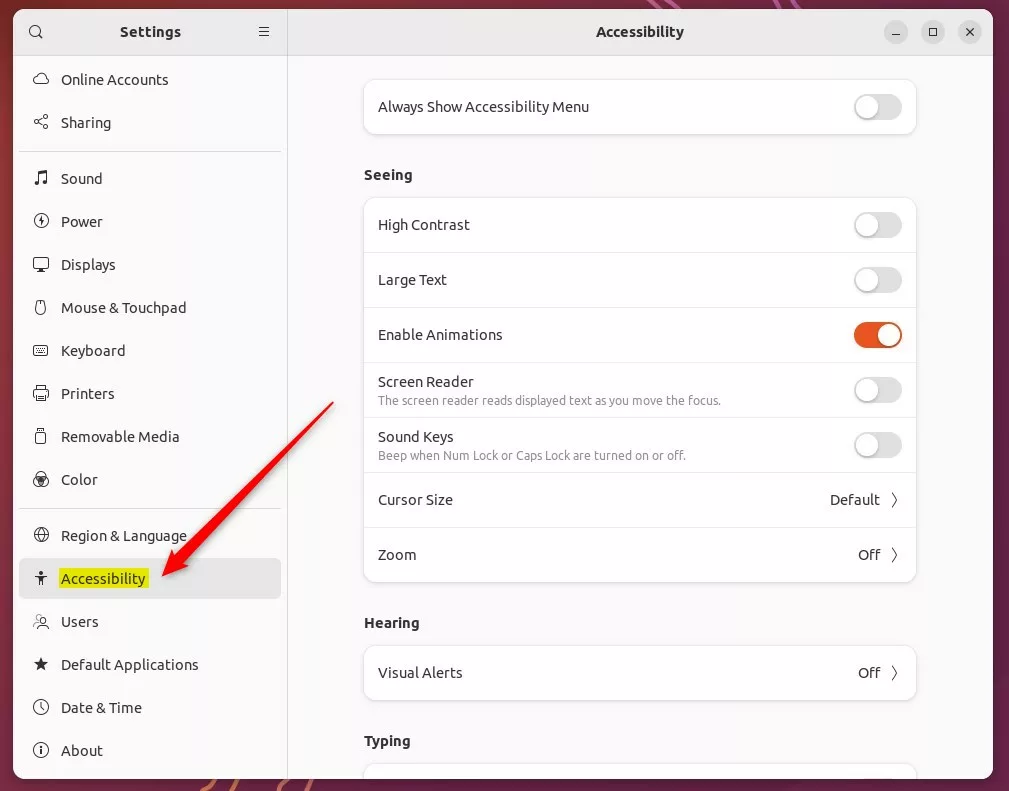
- Look at the menu on the left side of the Settings window. You may need to scroll down to see every entry.
- Click Accessibility. The panel on the right now shows the accessibility options.💡If you can't find the animation switch under Accessibility
The animation switch still exists in Ubuntu, but in recent versions it has moved, so it may not be under Accessibility or the Seeing section. Try this:
- Open Settings and click the search box at the top.
- Type
animationsand open the matching result. - If nothing matches, click Accessibility and scroll through every section of the panel.
When you find the switch, turn it On or Off as described in the steps below.
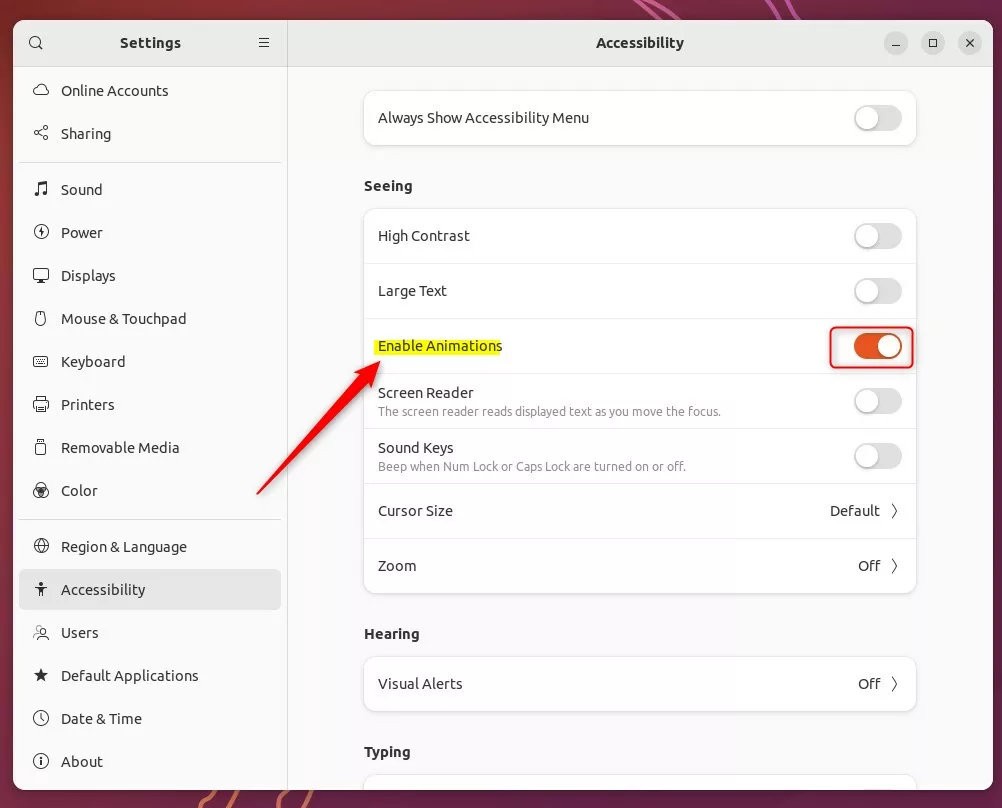
- Find the Seeing section. In current Ubuntu releases, the “Enable Animations” toggle is in this section.💡If you can't find Enable Animations in Seeing
In recent Ubuntu versions, this switch has been renamed or moved, so it may not appear under Seeing. To find it:
- Open Settings and click the search box at the top.
- Type
animationsand open the matching result. - If nothing matches, click Accessibility and scroll through every section of the panel.
If you still can't find an animation switch, your Ubuntu version may not offer one. Check your version under Settings, then look for a similar option.
The exact layout can differ slightly between Ubuntu releases. If you don’t see the toggle right away, scroll the Accessibility panel or open the Seeing section. Newer releases may also word the label a little differently.
Now set the animation switch the way you want it:
- Find the switch labeled Enable Animations.
- Turn the switch On if you want the visual effects, such as windows fading and sliding.
- Turn the switch Off if you want to remove them for a faster feel.
- Open a window, then close or minimize it. With animations off, it should appear and disappear instantly instead of fading or sliding.
The change applies immediately, so you can close Settings when you’re done. To undo it, go back to the same place and flip the switch the other way.
Advanced: Managing specific animations
The Settings switch is all or nothing. If you want finer control, you can manage specific animations in Ubuntu by installing the Extensions app or by using dconf-editor. These tools let you turn off individual visual effects, such as workspace switching fades or window minimizing transitions, without disabling every animation on your desktop.
The Extensions app manages GNOME Shell extensions, which are small add-ons that change how the desktop looks and behaves. Install it from the Ubuntu software center, or from your package manager. Which animation changes you can make depends on the extensions you install, so check what each one does before you turn it on.
For power users, the dconf-editor %%LNK1%% tool offers deep control. It is a graphical editor for the settings database that GNOME uses. Install it from the Ubuntu software center first. Then navigate to the GNOME interface settings to adjust individual animation speeds or behaviors.
Before you change a value, write down its original setting. That way you can put it back if something looks wrong. If you are unsure about a setting, leave it alone and use the simple Enable Animations switch instead.
Conclusion
Changing your animation settings is a simple way to make Ubuntu feel exactly how you want it, whether you prefer a flashy desktop or a faster, no-frills interface. Start with the Enable Animations switch in Settings. Only move on to extensions or dconf-editor if you need to adjust individual effects.
Questions readers asked
The Accessibility page in Settings no longer shows the animation switch. Where did it go?
In recent Ubuntu versions, the animation switch has moved, so it may not be under Accessibility or the Seeing section. Open Settings, click the search box at the top, and type "animations". Open the matching result to reach the switch. If the search finds nothing, go back to Accessibility and scroll through all of its sections. Once you find the switch, you can turn it on or off the same way as described in the steps.
Why isn't the Enable Animations switch in the Seeing section of Ubuntu Settings?
In recent Ubuntu versions, the animations switch has been renamed or moved, so it may no longer appear under Seeing. Open Settings and type "animations" in the search box at the top. If the search finds nothing, click Accessibility and scroll through all of its sections. If you still can't find an animation switch, your Ubuntu version may not include one, so look for a similar option in Settings.
Still have a question?
Answered by AI from this guide. Good questions may be added to this page — please don't include personal details.
Did this guide fix your problem?

About the Author
Richard
Tech Writer, IT Professional
Richard is a writer at Geek Rewind who turns complex IT tasks into clear, step-by-step guides. He draws on years of hands-on experience in system administration and enterprise IT operations, focusing on Windows, Linux and WordPress: the problems people actually run into, and the fixes that work. His server and WordPress guides come from systems he runs himself. Richard builds and maintains the platform behind Geek Rewind, from its Ubuntu servers and Nginx configuration to its custom WordPress plugins. Many new tutorials start with readers' questions, and he's always glad to answer them in the comments.
No comments yet — be the first to share your thoughts!