How to Change Power Button Actions on Windows 11

You can change your power button actions on Windows 11 to control what happens when you press the physical power button, such as making it do nothing or sleep instead of shutting down.
Windows 11 allows you to customize these power options, preventing accidental shutdowns or unwanted actions. This ensures your PC behaves exactly as you intend when you interact with its power button.
For instance, you might want your laptop to go to sleep when you press the power button while working on an important document, instead of initiating a full shutdown.
Modifying these settings is straightforward and will immediately take effect after saving. This tutorial guides you through the simple steps required.
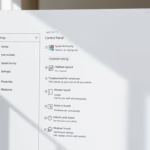
Open Control Panel, go to Hardware and Sound, then Power Options. Click Change what the power buttons do and select your desired action from the drop-down menu for when you press the power button. Save changes to apply.
Can you change what the power button does?
Select Search on the taskbar, type control panel, and select it from the results. Select System and Security. In the Power Options section, select Choose what the power buttons do.
How do I change what holding the power button does?
What I prefer if you've got a Samsung phone on the other. Hand. Then open up settings scroll all the way down to advanced. Features tap on side button tap on long press.
Was this guide helpful?

About the Author
Richard
Tech Writer, IT Professional
Richard, a writer for Geek Rewind, is a tech enthusiast who loves breaking down complex IT topics into simple, easy-to-understand ideas. With years of hands-on experience in system administration and enterprise IT operations, he’s developed a knack for offering practical tips and solutions. Richard aims to make technology more accessible and actionable. He's deeply committed to the Geek Rewind community, always ready to answer questions and engage in discussions.

No comments yet — be the first to share your thoughts!