How to Change Icon Size on Ubuntu Desktop


Desktop icon size on Ubuntu controls how large the files and folders on your desktop appear. On Ubuntu 20.04 and later, desktop icons are handled by the Desktop Icons NG extension, usually called DING. The size setting lives in that extension.
DING gives you a few preset sizes: tiny, small, normal and large. Smaller icons let you fit more items on the screen. Larger icons are easier to see and click, which helps on high-resolution displays or if you use a touchpad. You can change the size at any time and nothing is lost.
Right-click your desktop and select “Desktop Icons Settings,” or open the Extensions app. Then, choose your preferred icon size from the Small, Normal, Large, or Tiny options.
Change desktop icon size on Ubuntu Linux
You change icon size directly from the desktop, with no terminal or extra software needed. There are two ways to reach the setting: right-click the desktop background, or open the Extensions app. Both lead to the same options, so use whichever is quicker for you.
This only affects icons on the desktop itself. It does not change the dock on the left, or the icons inside the Files app.
There are two ways to open the icon settings:
- Right-click an empty spot on your desktop and select Desktop Icons Settings. This is the fastest method.
- Open the Extensions app from your app menu, find Desktop Icons NG in the list, and open its settings.
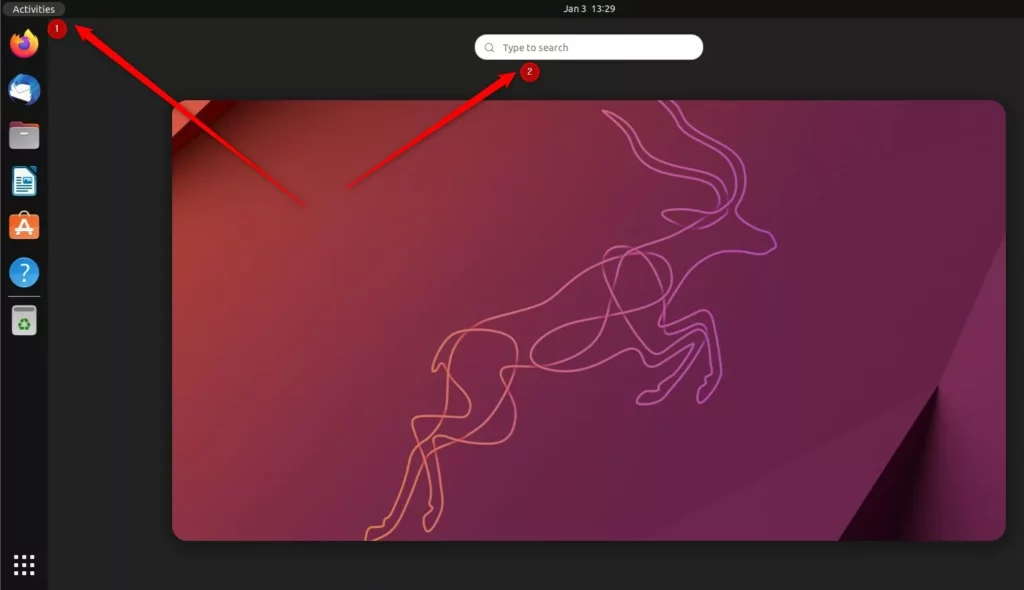
- Open the settings with one of the two methods above.
- Look at the window that appears. It lists the options for your desktop icons, including the icon size.
If Desktop Icons Settings is missing from the right-click menu , the extension is probably turned off. Open the Extensions app, switch on the desktop icons extension, and try again. Right-click an empty area of the desktop rather than an icon, because the menu changes when you click a file.
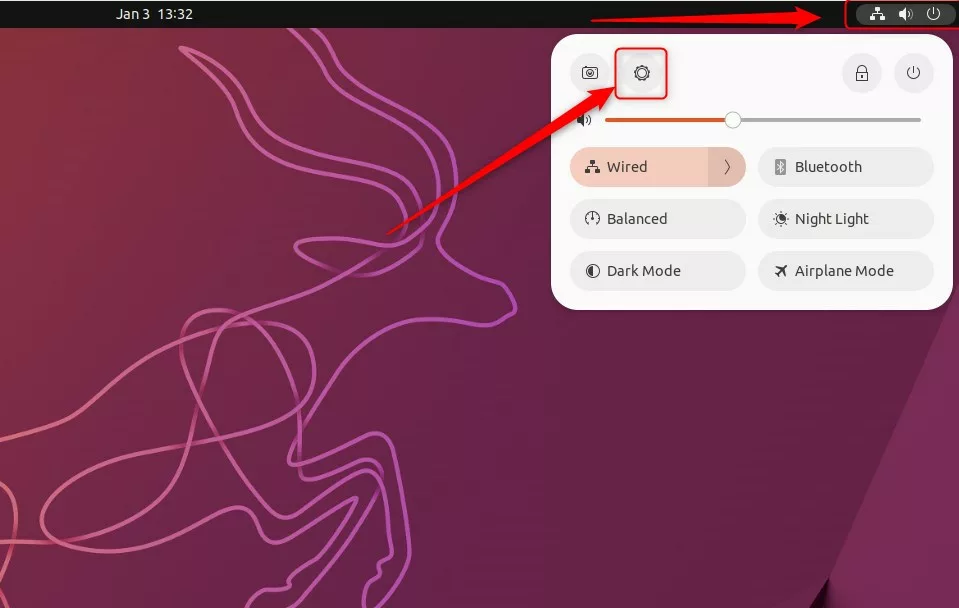
Find the icon size setting and pick the size that fits your screen. These are the choices:
- Small
- Normal (the default; some releases label it Standard)
- Large
- Tiny
As a rule of thumb, Tiny and Small suit a desktop with many files. Large works better on a big or high-resolution screen where Normal looks cramped.
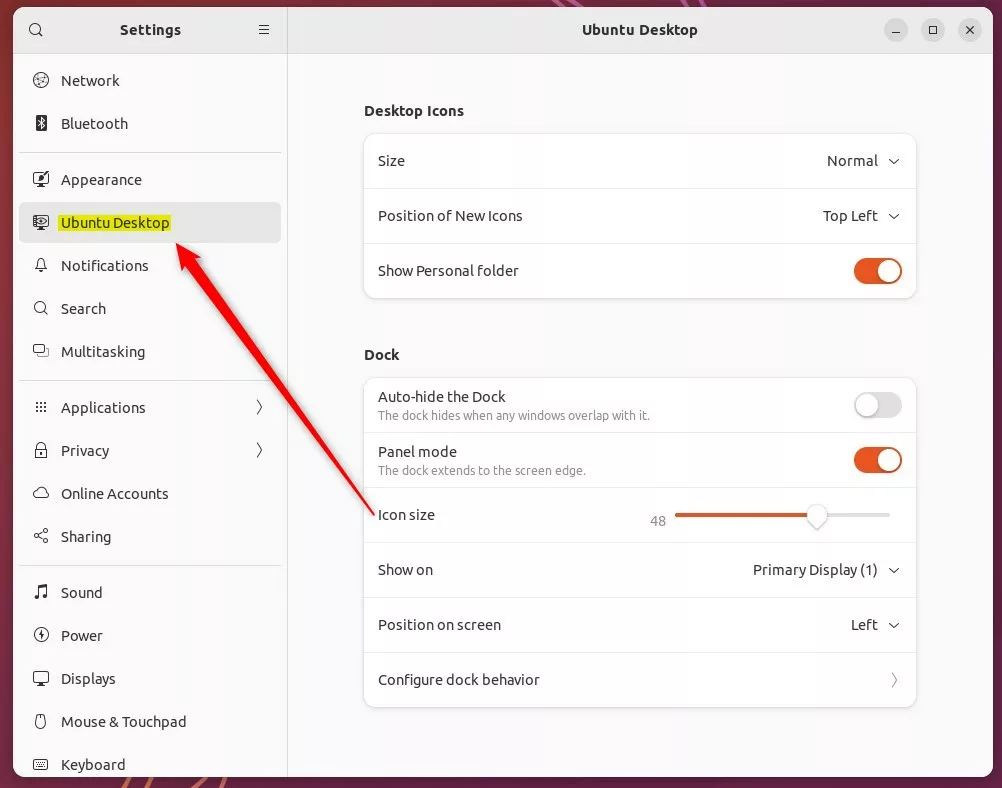
Once you select a size, the icons on your desktop resize straight away. You do not need to log out or restart. If the result is too big or too small, go back into the settings and choose another size. To undo your change completely, select Normal again.

That completes the process. The new size stays in place after a restart, so you only need to set it once.
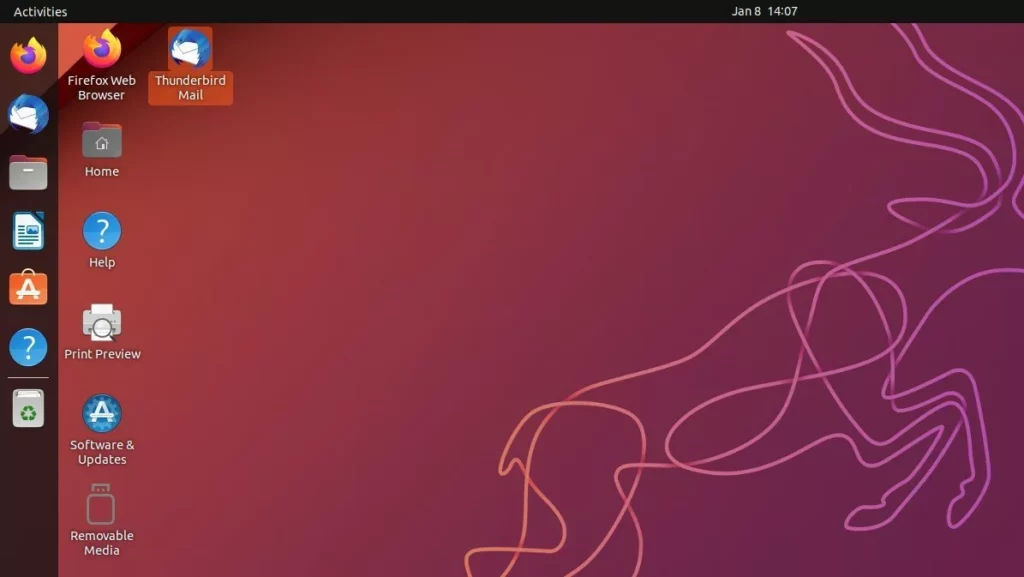
Learn more about how to add additional desktop icons on Ubuntu Linux.
How to add application icons on the desktop on Ubuntu Linux.
Conclusion
The right icon size keeps your Ubuntu desktop tidy and easy to read. You can use the right-click menu or the Extensions app to change the size whenever your screen or your habits change. Try a couple of sizes, keep the one that suits your display, and switch back to Normal if you ever want the default look.
Have a question about this guide?
Answered by AI from this guide. Good questions may be added to this page — please don't include personal details.
Did this guide fix your problem?

About the Author
Richard
Tech Writer, IT Professional
Richard is a writer at Geek Rewind who turns complex IT tasks into clear, step-by-step guides. He draws on years of hands-on experience in system administration and enterprise IT operations, focusing on Windows, Linux and WordPress: the problems people actually run into, and the fixes that work. His server and WordPress guides come from systems he runs himself. Richard builds and maintains the platform behind Geek Rewind, from its Ubuntu servers and Nginx configuration to its custom WordPress plugins. Many new tutorials start with readers' questions, and he's always glad to answer them in the comments.
No comments yet — be the first to share your thoughts!