How to Change Backgrounds on Each Monitor in Windows 11

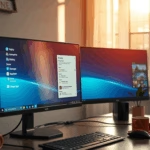
You can easily set a different background for each monitor in Windows 11 to personalize your multi-monitor setup.
This feature allows you to assign unique wallpapers to your primary and secondary displays, making it simpler to distinguish between them. Setting individual backgrounds helps organize your workspace and adds a professional touch.
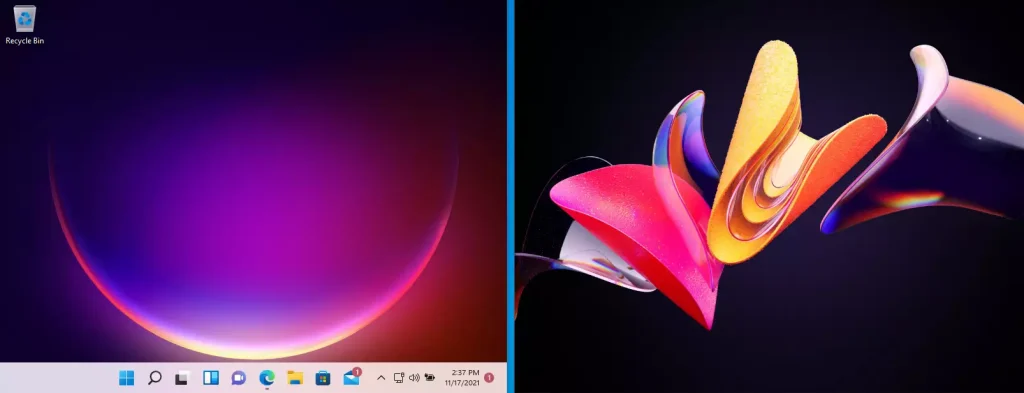
Once configured, each of your monitors will showcase a distinct image. This lets you categorize tasks or simply enjoy a more visually engaging desktop experience on each screen.
Go to Settings > Personalization > Background. Choose a picture, then right-click the desired image and select “Set for monitor 1” or “Set for monitor 2” to assign it to a specific display. Repeat for each monitor.
Physical Monitors vs. Virtual Desktops
Physical monitors are the actual screens you see on your desk, while virtual desktops are software workspaces you can create on a single screen. Windows 11 doesn’t let you set different wallpapers for these virtual desktops, but you can easily set unique backgrounds for each physical monitor you have connected.
How to Set Unique Wallpapers
You can easily set different wallpapers for each monitor in Windows 11 using the built-in Personalization settings.
1. Press Windows key + I to open Settings.
2. Click Personalization in the left menu, then select Background.
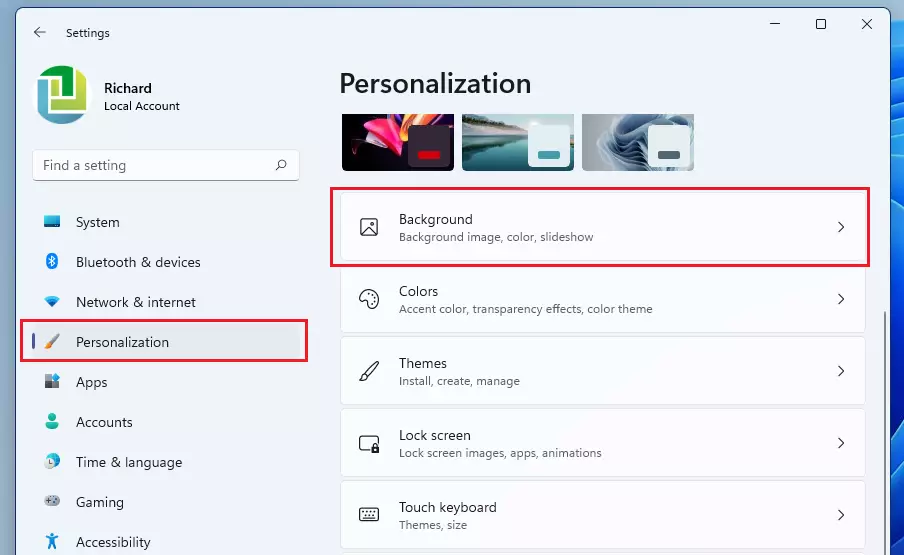
3. Under Personalize your background, choose Picture.
4. Right-click any image in the Recent images list. A menu will appear allowing you to select Set for monitor 1 or Set for monitor 2.
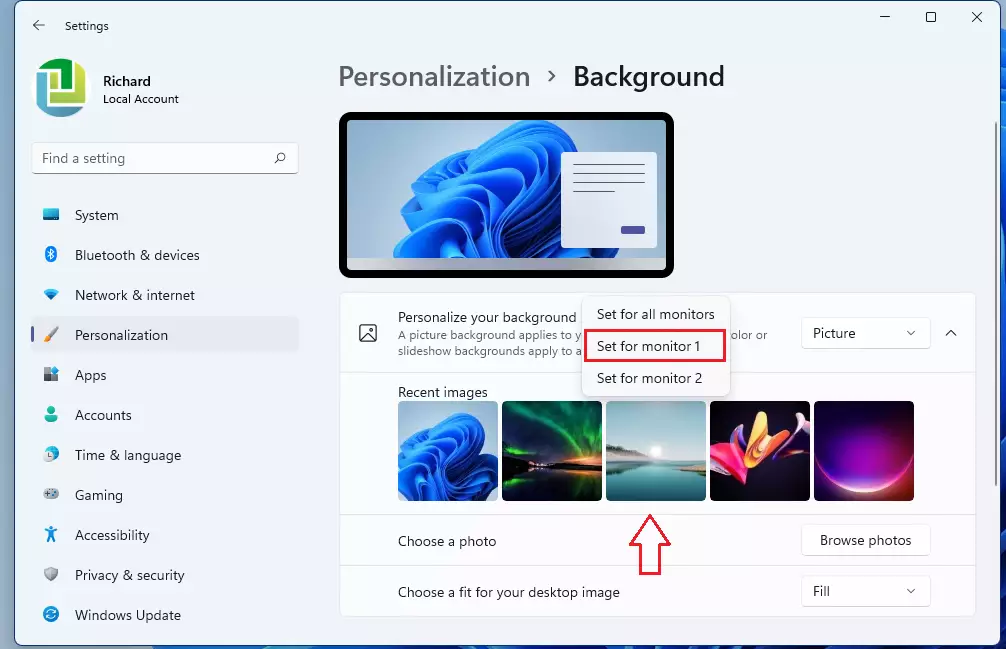
5. Repeat this for each screen until your setup is complete.
Troubleshooting Wallpaper Issues
If your Windows 11 wallpapers aren’t changing or appear stuck, try checking your account sync settings first to see if your preferences are being applied elsewhere.
- Check Sync Settings: Go to Settings > Accounts > Windows backup and toggle off Remember my preferences if you do not want your wallpaper to sync across multiple PCs.
- Reset Settings: If the background is frozen, you can reset the registry key. Flag: Requires admin privileges. Open Command Prompt as administrator and run:
reg delete "HKEY_CURRENT_USER\Control Panel\Desktop" /v Wallpaper /f. Then restart your computer. - Verify Display Mode: Ensure you are in Extended mode by pressing Windows key + P.
Third-Party Alternatives
If you want more control, tools like Wallpaper Engine or DisplayFusion offer advanced features. These apps allow for animated backgrounds, multi-monitor spanning, and automatic rotation settings that go beyond standard Windows 11 personalization.
Summary
Changing the background on each monitor in Windows 11 is simple: ensure your displays are set to Extended mode and use the Personalization settings to pick your images.Does 🪟 Windows 11 sync my wallpaper across multiple PCs?
Yes, if you are signed in with a Microsoft account and have the sync settings enabled in your Windows backup preferences. To stop this, navigate to Settings, select Accounts, and turn off the sync options for your desktop theme and background settings to keep each PC unique.


Option no longer exists in Windows 11 for different settings per monitor for either the background image or slideshow.