How to Enable Automatic Brightness in Ubuntu Linux


Automatic brightness in Ubuntu Linux changes your screen brightness to match the light around you using your laptop’s built-in light sensor. This feature saves battery life and reduces eye strain by dimming the display when you move to a dark room.
Laptops running Ubuntu 22.04 LTS and later support automatic brightness right out of the box. You can turn it on in just a few clicks through your display settings so your screen always matches the room.
Open System Settings, click on the Power tile, and then toggle the Automatic Screen Brightness switch to the On position. This feature uses your device’s light sensor to adjust screen brightness automatically.
How to enable or disable automatic brightness in Ubuntu Linux
Enabling automatic brightness in Ubuntu Linux lets your screen adjust its own light level based on the room you are in. To set this up, open the Settings app from your app list, click on the Power or Privacy section depending on your version, and turn on the automatic brightness switch. Your screen will then dim in dark rooms and brighten up in the sun.
Most configuration options live in the Settings app.
To open System Settings, head to the Activities overview and type ‘Settings‘.
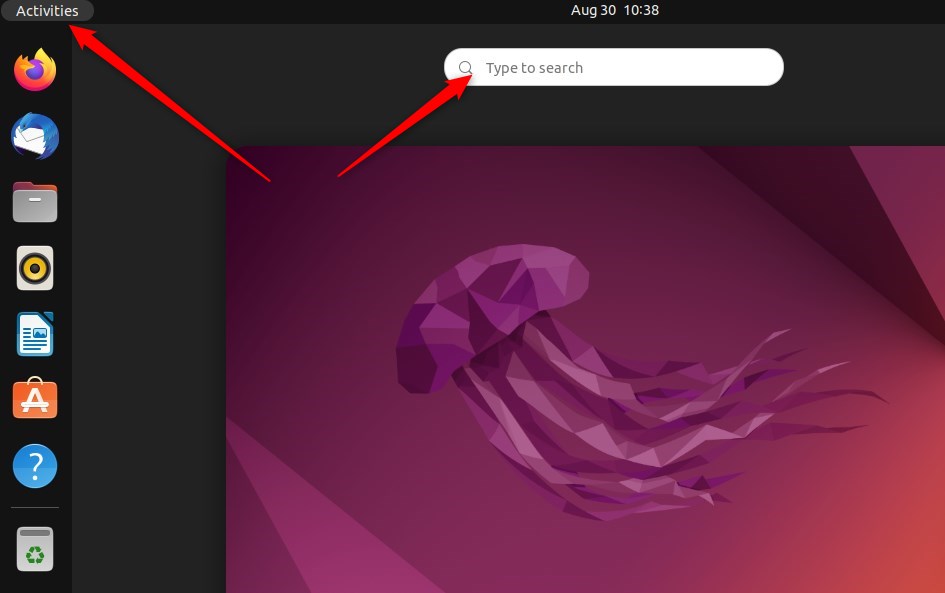
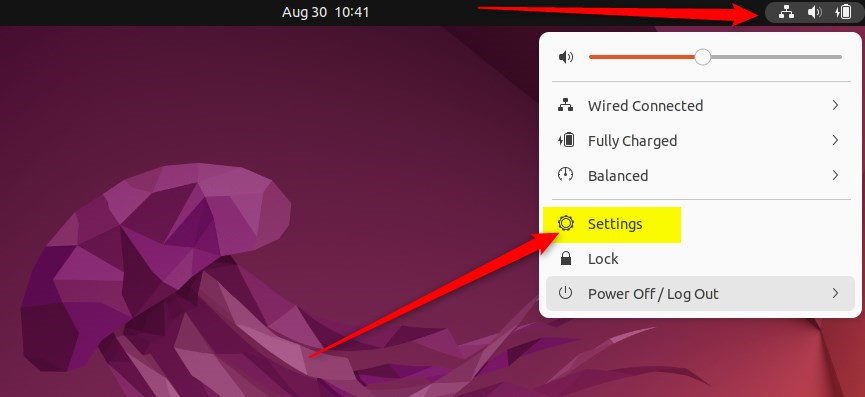
Alternatively, look for the System menu in the top-right corner of your desktop.
On the System menu, select Settings, as shown below.
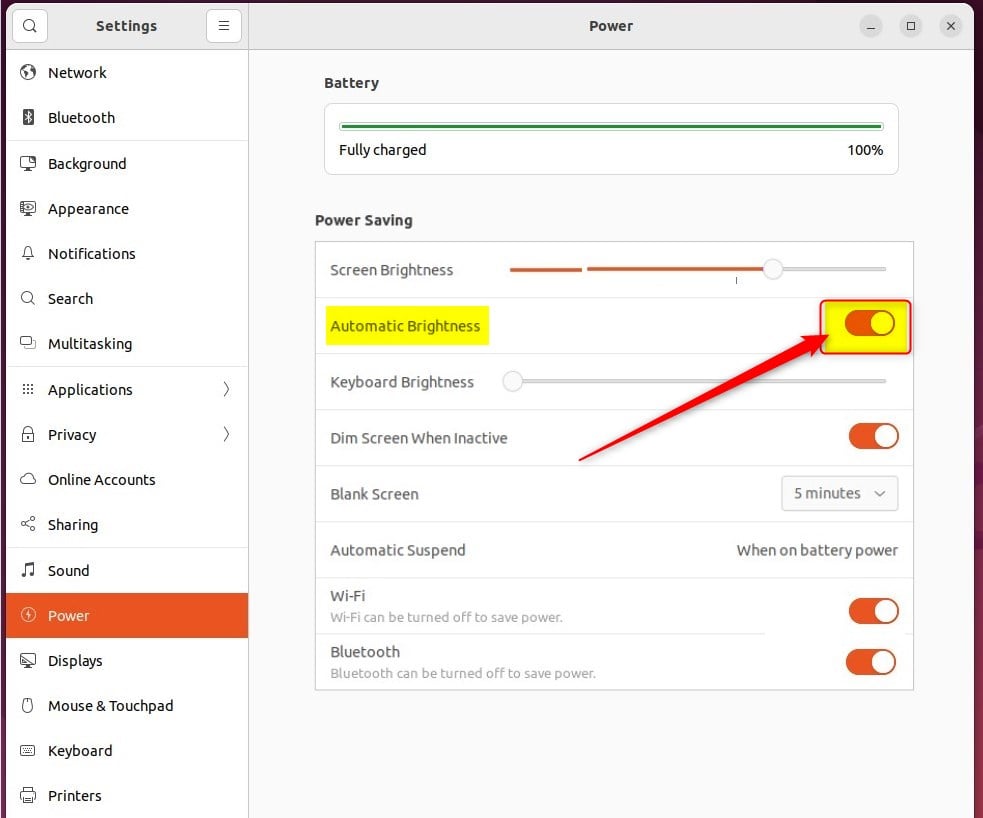
In the Settings app, click on the Power tile to expand it.
Locate the Automatic Screen Brightness toggle inside the Power Saving section and switch it to On. This feature helps conserve battery life by dimming your screen when it's not needed.
That's it! You can now close the settings app.
Conclusion:
- Ubuntu Linux's adaptive brightness feature adjusts the screen's brightness based on surrounding lighting conditions, providing optimal brightness and contrast levels while saving power and prolonging battery life.
- Enabling automatic brightness ensures the screen is always easy to see in different ambient light conditions and helps reduce battery consumption.
- To enable or disable automatic brightness in Ubuntu Linux, access the System Settings panel, navigate to the Power section, and toggle the Automatic Screen Brightness switch to the desired position.
Adaptive brightness keeps display visibility sharp while extending battery runtime across changing environments.
Was this guide helpful?

About the Author
Richard
Tech Writer, IT Professional
Richard is a writer at Geek Rewind who turns complex IT tasks into clear, step-by-step guides. He draws on years of hands-on experience in system administration and enterprise IT operations, focusing on Windows, Linux and WordPress: the problems people actually run into, and the fixes that work. His server and WordPress guides come from systems he runs himself. Richard builds and maintains the platform behind Geek Rewind, from its Ubuntu servers and Nginx configuration to its custom WordPress plugins. Many new tutorials start with readers' questions, and he's always glad to answer them in the comments.


[…] to adjust to the lighting condition. If your computer features an integrated light sensor, the screen brightness will automatically be adjusted for […]
[…] Ubuntu Linux automatically adjusts screen brightness for some laptops or computers based on the current lighting conditions. This automatic setting helps make sure your screen is readable wherever you go. […]