
Windows 11 has a feature called Dynamic Refresh Rate (DRR). It lets Windows change how fast your screen refreshes based on what you’re doing. When you’re doing light tasks, the refresh rate goes down. When you need more power, it goes up. This helps your laptop use less battery and run better.
Why use Dynamic Refresh Rate? It saves battery life on your laptop. It also makes your computer run smoother when you need it to.
What happens when you enable it? Your screen will automatically adjust its refresh rate. You’ll notice your laptop battery lasting longer, especially if you use it for everyday tasks like browsing and email.
This feature only works on certain laptops. Your display must support Variable Refresh Rate (VRR) and have a refresh rate of at least 120Hz.
How to Enable Dynamic Refresh Rate
Follow these simple steps to turn on DRR in Windows 11.
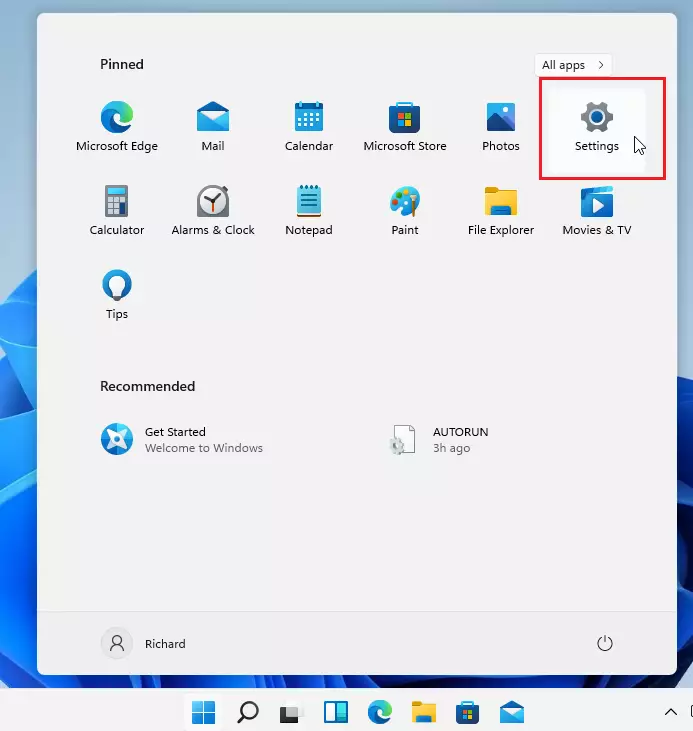
- Open the Start Menu and click Settings.
- Look for the Display section and click it.
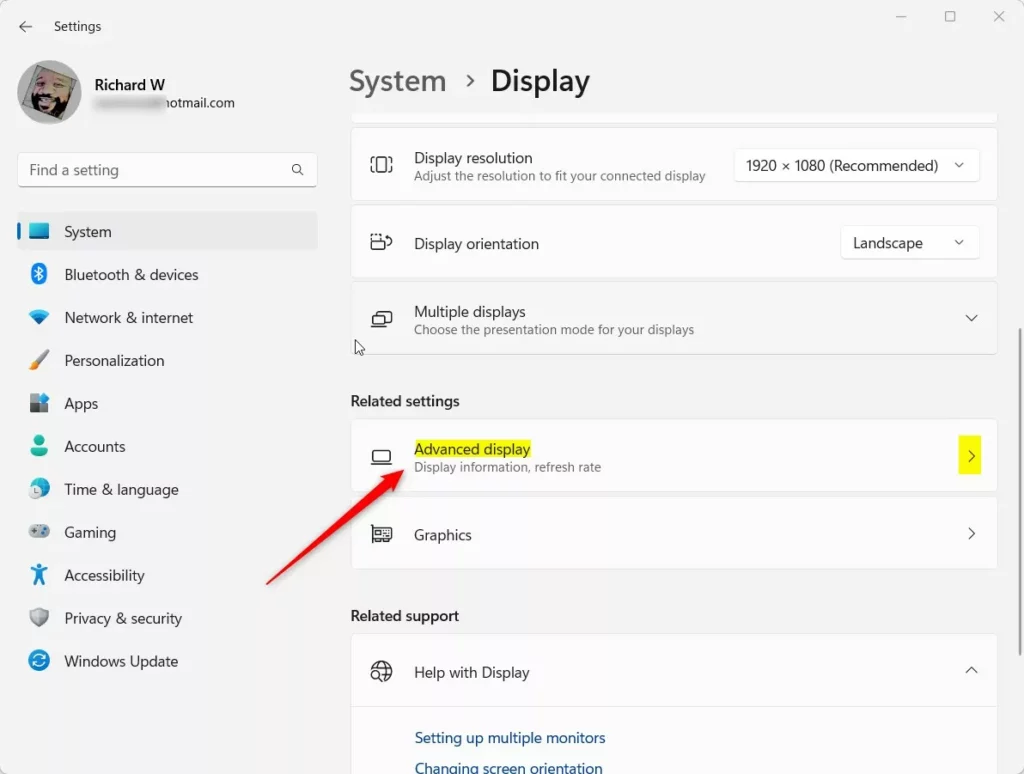
- Scroll down and click Advanced Display.
- Find the refresh rate option. Change it from a fixed number (like 60 Hz) to Dynamic.

Note: If you don’t see a Dynamic option, your laptop doesn’t support this feature. That’s okay — just leave the refresh rate as it is.
How to Disable Dynamic Refresh Rate
If you want to turn off DRR, follow the same steps above. Instead of choosing Dynamic, pick a fixed refresh rate like 60 Hz. Your screen will stay at that speed all the time.
Summary
- Dynamic Refresh Rate (DRR) automatically adjusts your screen refresh rate based on what you’re doing.
- It helps save battery and improves performance on supported laptops.
- You need a display that supports Variable Refresh Rate (VRR) with at least 120Hz to use it.
- Enabling DRR is easy — just go to Settings > Display > Advanced Display and choose Dynamic.
- Not all laptops support this feature, and that’s normal.
Leave a Reply