How to Change Drive Letters in Windows 11

You can change drive letters in Windows 11 to better organize your storage devices like hard drives, SSDs, and USB flash drives.
Drive letters are the single capital letters, such as C: or D:, that Windows uses to identify partitions and volumes on your computer. This process involves using the built-in Disk Management tool.
For instance, you might change a removable drive’s letter from E: to H: if you frequently connect multiple external storage devices. This helps you quickly identify which drive is which.
Reassigning these letters is straightforward and helps you maintain a logical file system structure on your PC.
Right-click the Start button, select Disk Management, then right-click the desired drive, choose “Change Drive Letter and Paths,” click “Change,” select a new letter, and click “OK.” Avoid changing the C: drive letter.
Why Change a Drive Letter?
Windows assigns letters like D: or E: to your storage devices. You might want to change these to keep your files organized, make it easier to identify external hard drives, or fix conflicts where two devices try to use the same letter.
What Happens When Done?
When you change drive letters in Windows 11, your computer will see the drive with its new name right away, but you’ll need to fix any programs or shortcuts that were using the old letter.
Method 1Using Disk Management
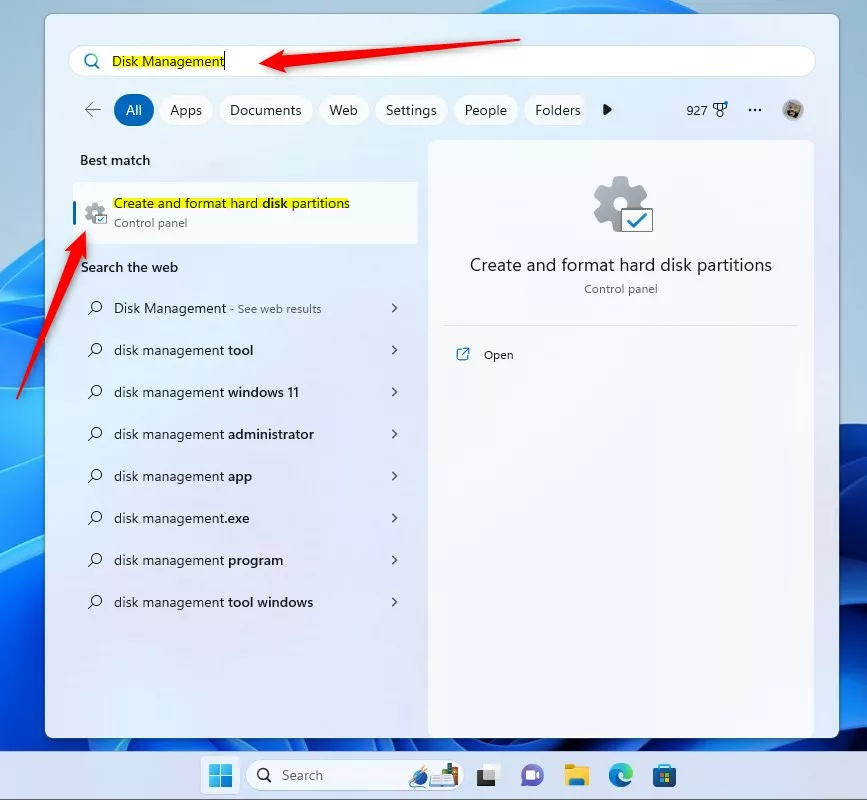
The easiest way to change drive letters in Windows 11 is by using the built-in Disk Management tool, which you can open by right-clicking the Start button and choosing Disk Management.
- Right-click the Start button and select Disk Management.
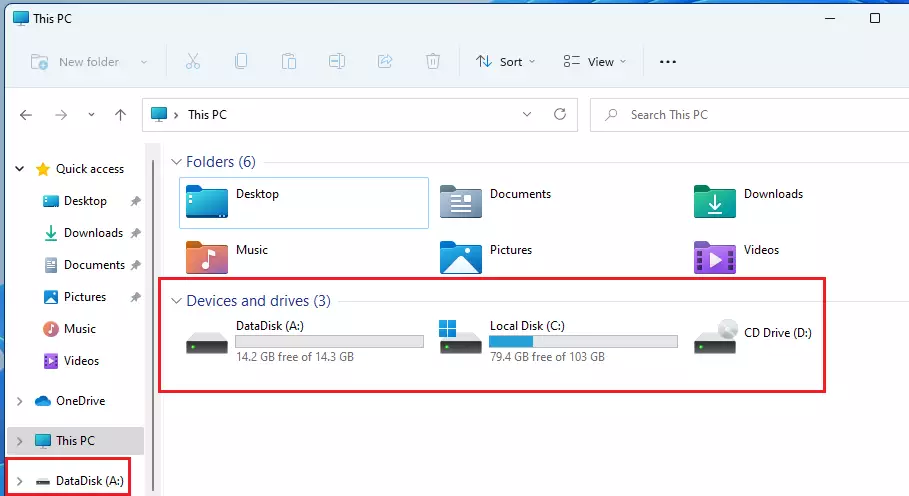
- Locate the volume you wish to change in the list.
- Right-click the partition and select Change Drive Letter and Paths…
- Click Change, select a new letter from the dropdown, and click OK.
Method 2Using Command Line (Diskpart)
If you’re comfortable with commands, you can change drive letters in Windows 11 using Diskpart, a powerful tool found in the Command Prompt that requires Administrator rights.
- Open Command Prompt as Administrator.
- Type
diskpartand press Enter. - Type
list volumeto see your drives. - Type
select volume X(replace X with your volume number). - Type
assign letter=Z(replace Z with your desired letter).
Method 3Using PowerShell
You can also use PowerShell for a faster approach. This requires Administrator privileges.
- Right-click Start and select Terminal (Admin).
- Type
Get-Partitionto list your drives. - Type
Set-Partition -DriveLetter D -NewDriveLetter E(replace D and E with your specific letters).
Troubleshooting and Risks
If the option to change a drive letter is greyed out in Windows 11, it usually means it’s a system or recovery drive that Windows needs to work properly, so you shouldn’t try to change it.
Summary
Changing a drive letter in Windows 11 helps organize your storage, and you can do it using Disk Management or the command line, just remember to run it as an administrator and avoid the C: drive.
Can I change the drive letter of the system drive (C:)?
No, you should never change the drive letter of the C: drive. Windows relies on this specific path to locate system files and boot configurations. Changing it will cause critical system errors and prevent your computer from starting correctly. Always keep the system drive as C:.
Do I need to restart my computer after changing a drive letter?
In most cases, no. Windows 11 updates the drive letter assignment instantly across the system. However, if you have programs currently open that are accessing files on that drive, you may need to restart those specific applications for them to recognize the new path correctly.
Was this guide helpful?

About the Author
Richard
Tech Writer, IT Professional
Richard, a writer for Geek Rewind, is a tech enthusiast who loves breaking down complex IT topics into simple, easy-to-understand ideas. With years of hands-on experience in system administration and enterprise IT operations, he’s developed a knack for offering practical tips and solutions. Richard aims to make technology more accessible and actionable. He's deeply committed to the Geek Rewind community, always ready to answer questions and engage in discussions.

[…] post describes changing a drive or volume letter in Windows […]
[…] post describes the steps to mount a drive in a folder rather than a drive letter in Windows […]
[…] example, if you have an external drive attached to your Windows 11 computer using the drive letter F: you can mount it in WSL using the commands […]
[…] the next screen, enter the Label or name. Select a Drive Letter to assign to the Dev Drive, type in the drive size (at least 50GB), and click […]
[…] service will not index content from any drive or partition with the A and B drive letters, even when included in the index location, because A and B drive letters are reserved for floppy […]
[…] you boot the virtual machine and log in, you should see a mapped folder with the G: drive letter in the Windows virtual […]
[…] find it on your computer? If your new drive does not show up in File Explorer, you may need to add a drive letter or initialize it. This process prepares a blank drive so Windows can recognize […]