How to Enable or Disable Windows 11 Updates with wushowhide.diagcab

This guide explains how to control Windows 11 updates using a tool called wushowhide.diagcab.
Download and run the wushowhide.diagcab tool. Select “Hide updates” and then choose the specific update you want to block from the list. This legacy tool allows you to prevent problematic updates from installing until you manually unhide them.
What is wushowhide.diagcab?
The wushowhide.diagcab tool is a simple Microsoft utility that lets you choose which Windows 11 updates to hide or show.
A quick heads-up: Microsoft has retired this tool, meaning it’s no longer officially supported for Windows 11. Always download it directly from Microsoft’s official sources. Steer clear of other sites, as they might have risky versions.
Comparison: Pause Updates vs. Hide Updates
| Feature | Pause Updates (Settings) | Hide Updates (wushowhide) |
|---|---|---|
| Duration | Temporary (up to 5 weeks) | Permanent until unhidden |
| Scope | All updates | Specific KB updates or drivers |
| Ease of Use | Built-in Settings | Requires external tool |
How to Use the Tool
Step 1 Download the Tool
Download the file from the official Microsoft archive. Save it to your Downloads folder. Keep in mind, this tool requires Administrator privileges to change system update settings.
Step 2Open the Tool
Find the file and double-click it.
Step 3Choose Your Action
Choose Hide updates to block a problematic file, or select Show hidden updates to bring them back. 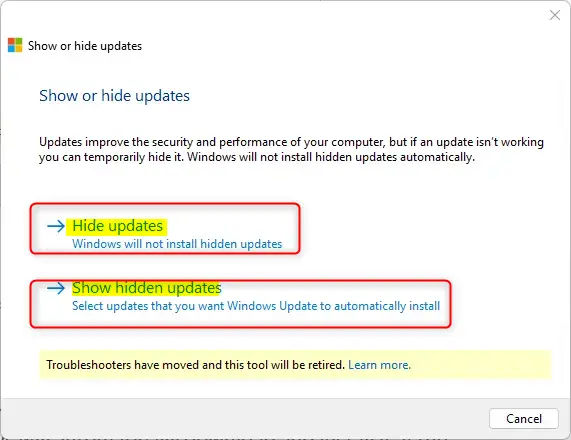
Step 4Select the Update
Select the specific KB number or driver update from the list. Then, click Next. 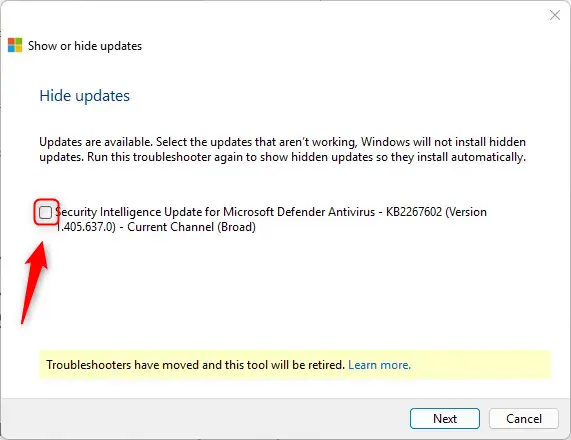
Step 5Remove Existing Updates
If the update’s already installed, you’ll need to go to Settings, then Windows Update, Update history, and finally Uninstall updates. Remember, this step also needs Administrator privileges. 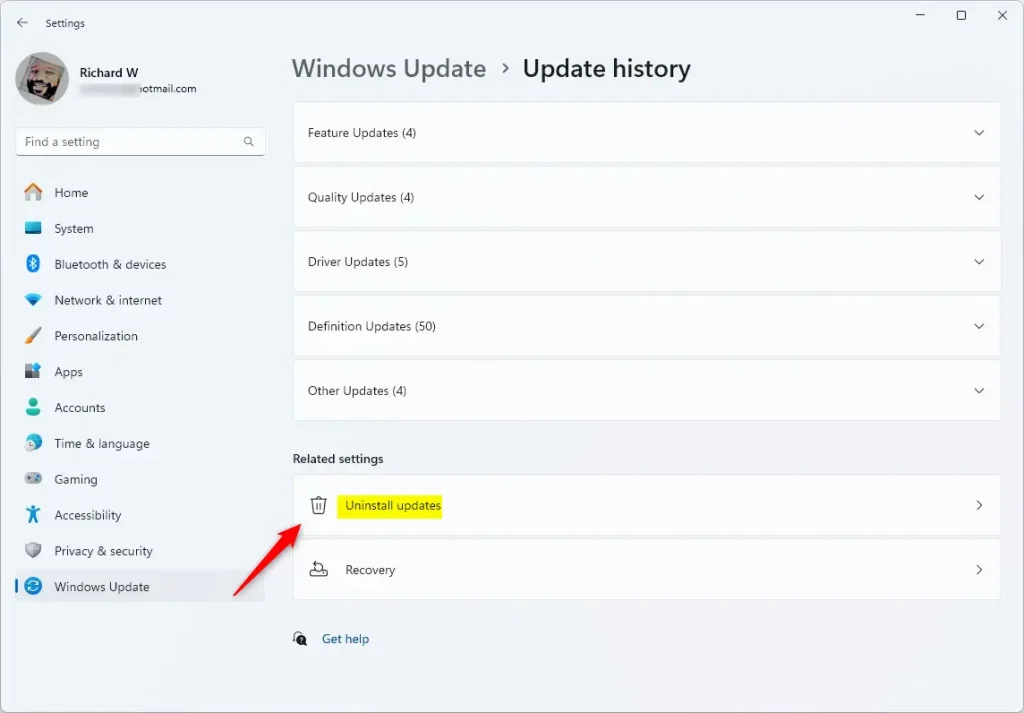
Troubleshooting and Alternatives
If wushowhide.diagcab isn’t working for you, Windows 11 Pro users can turn off updates using the Group Policy Editor, while Home users can adjust registry settings.
Summary
In summary, wushowhide.diagcab is an older tool for blocking specific Windows 11 updates to prevent issues, giving you temporary control over your update schedule.
Is wushowhide.diagcab still officially supported by Microsoft?
No, the tool is deprecated. While it may still function on some Windows 11 builds, Microsoft no longer provides active support or updates for it. Users should rely on built-in Windows Update settings or Group Policy for managing updates whenever possible to ensure system stability.
Why does 🪟 Windows 11 keep reinstalling hidden updates?
Windows 11 is designed to prioritize security. If the tool is not working, the Windows Update Service may be overriding your preferences. Additionally, if a newer version of the update is released, the previous hidden status may not apply to the new package, causing it to reinstall automatically.
Was this guide helpful?

About the Author
Richard
Tech Writer, IT Professional
Richard, a writer for Geek Rewind, is a tech enthusiast who loves breaking down complex IT topics into simple, easy-to-understand ideas. With years of hands-on experience in system administration and enterprise IT operations, he’s developed a knack for offering practical tips and solutions. Richard aims to make technology more accessible and actionable. He's deeply committed to the Geek Rewind community, always ready to answer questions and engage in discussions.



No comments yet — be the first to share your thoughts!