How to Enable or Disable Zoom Auto-Start in Windows 11


Zoom auto-start in Windows 11 controls whether the video conferencing app launches automatically in the background the moment you sign in to your PC. By default, Zoom stays closed until you open it manually, but you can change this behavior directly inside the app settings rather than through Windows.
Enabling auto-start makes Zoom ready immediately for meetings, while disabling it keeps your system tray clean and helps your computer boot faster by running fewer apps at startup.
Open the Zoom app, click the gear icon for Settings, and then in the General tab, check or uncheck “Start Zoom when I start Windows.” Alternatively, open Task Manager (Ctrl+Shift+Esc), go to Startup apps, find Zoom, right-click, and select Disable.
Turn “Start Zoom when I start Windows” on or off
To change zoom auto start Windows 11 settings, open the Zoom app settings menu, click the General tab, and check or uncheck the box for “Start Zoom when I start Windows”. This controls whether the application launches by itself whenever you turn on your computer and sign in.
This same setting will prevent Zoom from starting automatically when you power on your Windows computer.
Here’s how to adjust it.
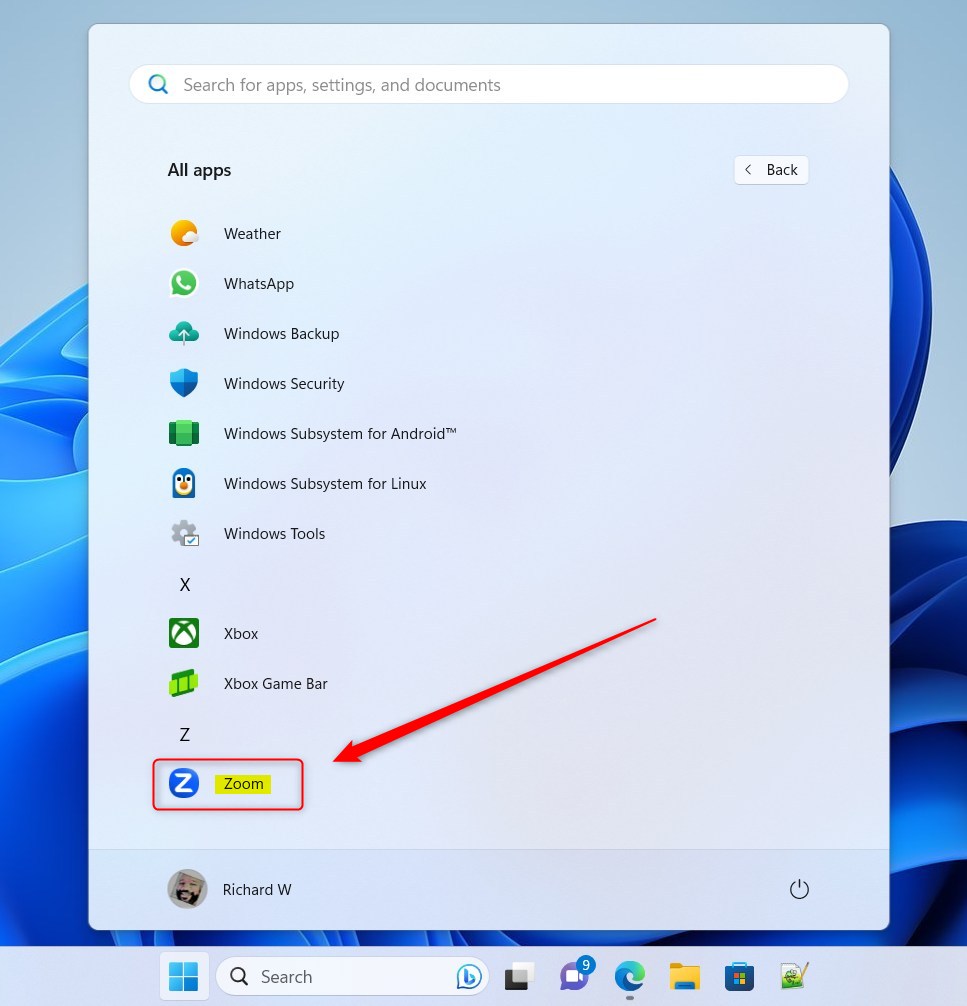
Open Zoom by clicking Start and selecting All apps.
In the All apps list, scroll down to find and open the Zoom app.
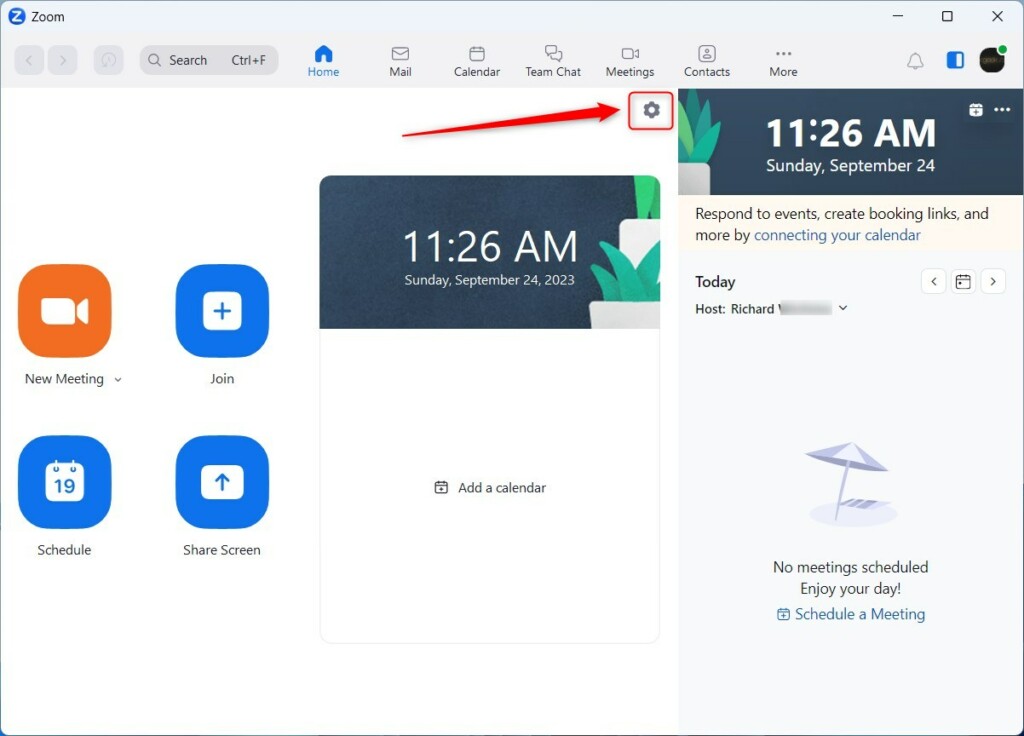
Once Zoom is open, click the Settings gear icon to open its settings panel.
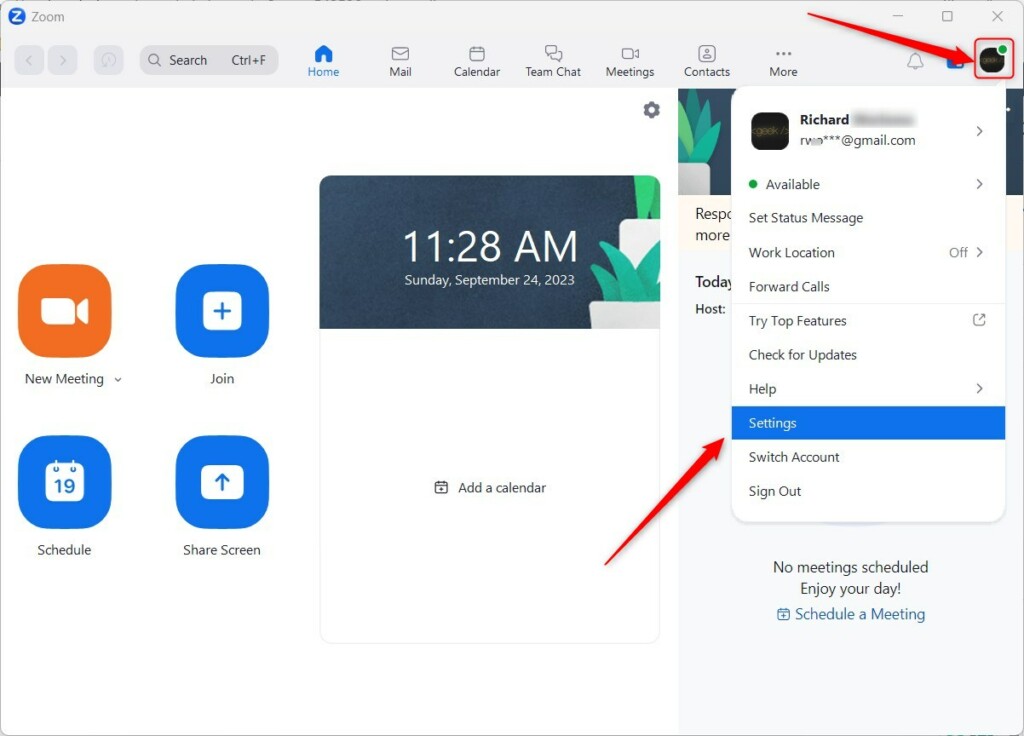
Alternatively, click your profile picture in the top right corner and choose 'Settings' from the menu that appears.
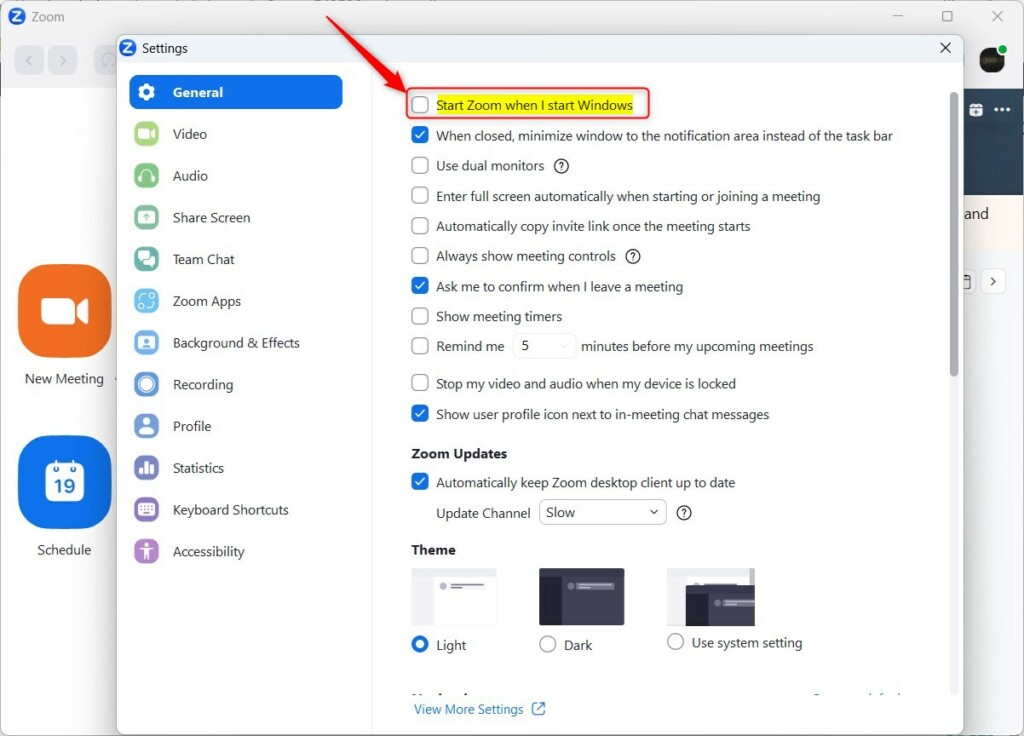
When the settings panel opens, look under the General tab. Check the box next to "Start Zoom when I start Windows" to enable the feature that launches the Zoom app automatically.
To disable it, uncheck the box.
If you want Zoom to launch but not open as a full window, select "Silently start Zoom when I start Windows."
This option lets Zoom start and run in the background without the main app window appearing.
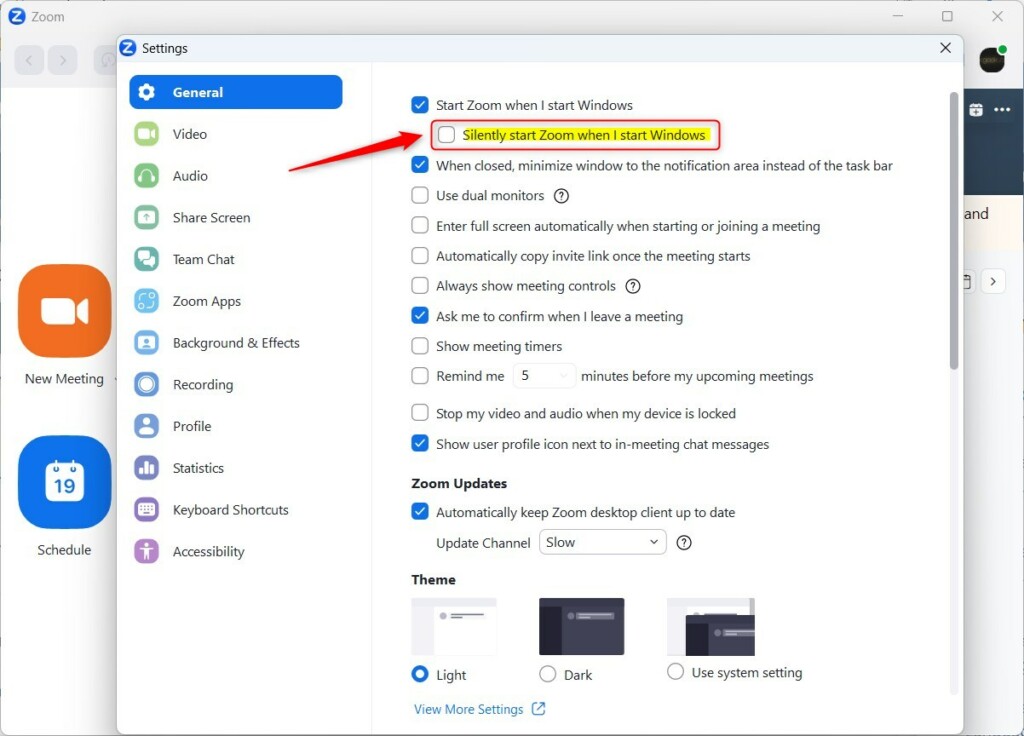
That completes the process.
Conclusion:
- Enabling the auto-start feature ensures quick access to Zoom upon Windows login
- Disabling it can enhance system performance by reducing the number of startup programs
- Access the feature through Zoom's settings menu
- Consider "Silently start Zoom when I start Windows" to run Zoom discreetly in the background
Was this guide helpful?
33% of readers found this helpful (3 votes)

About the Author
Richard
Tech Writer, IT Professional
Richard is a writer at Geek Rewind who turns complex IT tasks into clear, step-by-step guides. He draws on years of hands-on experience in system administration and enterprise IT operations, focusing on Windows, Linux and WordPress: the problems people actually run into, and the fixes that work. His server and WordPress guides come from systems he runs himself. Richard builds and maintains the platform behind Geek Rewind, from its Ubuntu servers and Nginx configuration to its custom WordPress plugins. Many new tutorials start with readers' questions, and he's always glad to answer them in the comments.


[…] are many settings one can configure in the Zoom app on Windows. Users can download and install, start Zoom automatically when Windows starts, use dual monitors, turn Video and audio on or off screen lock, mute microphone when joining […]
[…] settings one can configure in the Zoom app on Windows. Users can download and install, start Zoom automatically when Windows starts, use dual monitors, turn Video and audio on or off screen lock, mute microphone when […]
[…] settings one can configure in the Zoom app on Windows. Users can download and install, start Zoom automatically when Windows starts, use dual monitors, turn Video and audio on or off screen lock, mute microphone when […]
[…] settings one can configure in the Zoom app on Windows. Users can download and install, start Zoom automatically when Windows starts, use dual monitors, turn Video and audio on or off screen lock, and […]
[…] settings one can configure in the Zoom app on Windows. Users can download and install, start Zoom automatically when Windows starts, use dual monitors, and […]