Enable Delete Confirmation in Microsoft Sticky Notes


Delete confirmation in Microsoft Sticky Notes (a built-in Windows app for quick desktop reminders) stops you from accidentally erasing important notes with a single click. When it is on, Sticky Notes asks “are you sure?” before it deletes a note. Turning it on takes less than 30 seconds in Windows 11. The setting is part of the app, so it works the same on Windows 11 Home and Pro, and you don’t need to restart anything.
Open Sticky Notes settings and toggle the “Confirm before deleting” option to on. This will prompt a confirmation dialog box whenever you attempt to delete a note, preventing accidental data loss.
How to enable or disable delete confirmation for sticky notes in 🪟 Windows 11
You turn it on in the app settings by switching on the option that asks before erasing a note. The extra step gives you a chance to cancel the deletion before the note disappears for good. The steps below start from the main notes list, because that is where the settings icon lives.
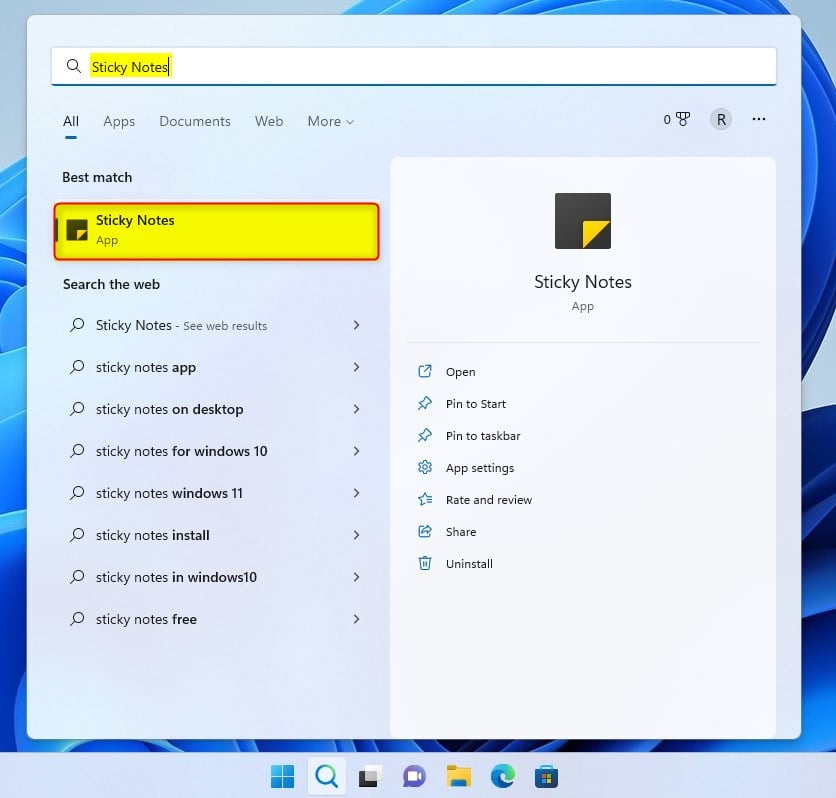
- Press the Start key and type Sticky Notes.
- Select Sticky Notes from the search results.
The app opens. You will see either your list of notes or a single note, depending on how you used it last.
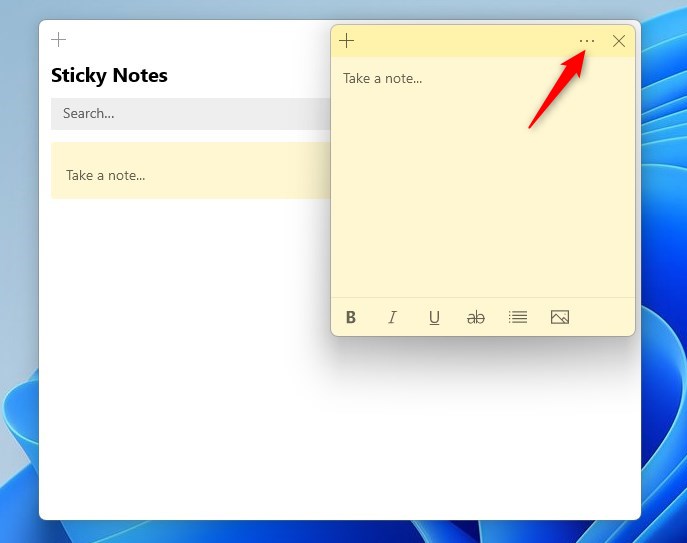
- If a single note opened instead of the main list, click the ellipsis icon ( … ) in the top-right corner of that note.
- Select Notes list.
The notes list window should now open, showing all your notes. If the list was already on screen, skip this step.
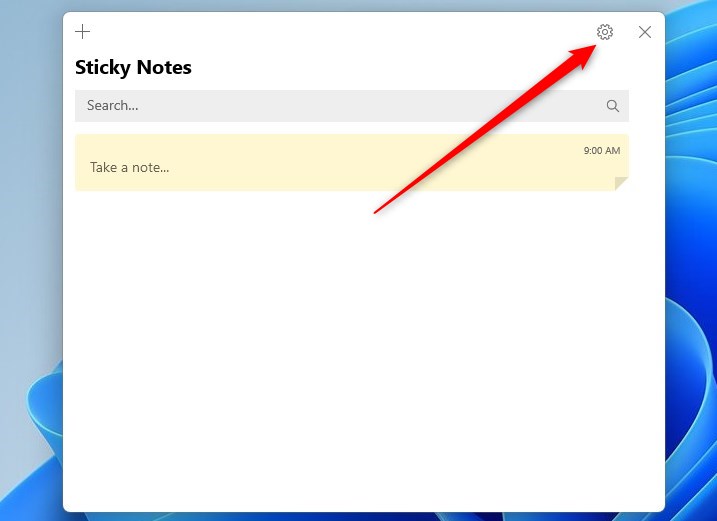
- Click the settings icon (the gear) in the upper right of the notes list.
The settings panel opens and shows the app options, including the sign-in and sync details for your Microsoft account.
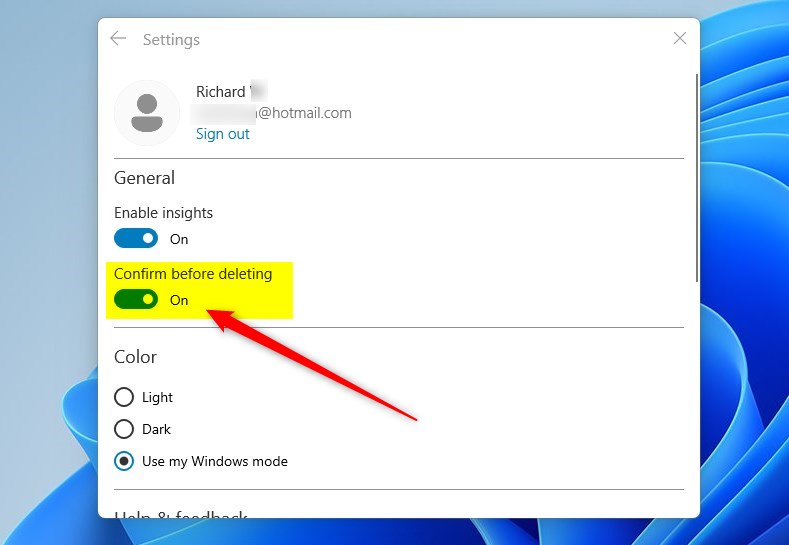
- Find the Confirm before deleting toggle. Some versions of the app label it Enable Confirm before deleting.
- Switch the toggle to On to turn on delete confirmation for your notes. Switch it to Off if you want to go back to deleting without a prompt.
The change applies right away. If you ever find the prompt more annoying than useful, come back to this same toggle and turn it off.
- Click the close icon ( X ) in the upper right to close the settings window.
Your setting is saved automatically, and so are your notes. Closing a note window does not delete the note. It only hides the window, and you can open the note again from the notes list. Deleting is a separate action.
From now on, Sticky Notes will ask you to confirm before it deletes a note. To test it, create a throwaway note, delete it, and check that the prompt appears. Then choose the option that cancels the deletion.
Conclusion:
- Enabling delete confirmation for Microsoft Sticky Notes can prevent accidental deletion of important notes.
- If you sync Sticky Notes with a Microsoft account, note deletions are reflected across your devices, so one wrong click can remove a note everywhere. That makes the confirmation prompt more worthwhile.
- It's important to weigh the benefits of delete confirmation against the potential inconvenience of the extra step. If you delete many notes in a row, the prompt can slow you down, and you can turn it off at any time.
Have a question about this guide?
Answered by AI from this guide. Good questions may be added to this page — please don't include personal details.
Did this guide fix your problem?

About the Author
Richard
Tech Writer, IT Professional
Richard is a writer at Geek Rewind who turns complex IT tasks into clear, step-by-step guides. He draws on years of hands-on experience in system administration and enterprise IT operations, focusing on Windows, Linux and WordPress: the problems people actually run into, and the fixes that work. His server and WordPress guides come from systems he runs himself. Richard builds and maintains the platform behind Geek Rewind, from its Ubuntu servers and Nginx configuration to its custom WordPress plugins. Many new tutorials start with readers' questions, and he's always glad to answer them in the comments.
No comments yet — be the first to share your thoughts!