How to Enable or Disable Sign-In on Wake in Windows 11

You can control whether Windows 11 requires a password, PIN, or other sign-in method when your PC wakes from sleep or modern standby.
This setting is called “Require sign-in on wake” and it’s designed to protect your data by ensuring only you can access your computer after it’s been inactive. If you step away from your computer, enabling this prompt prevents anyone from casually accessing your files.
Disabling it offers a quicker path to your desktop once your PC wakes up, which is great if you’re constantly switching between tasks. You can find this option in the Accounts section of Windows 11 Settings.
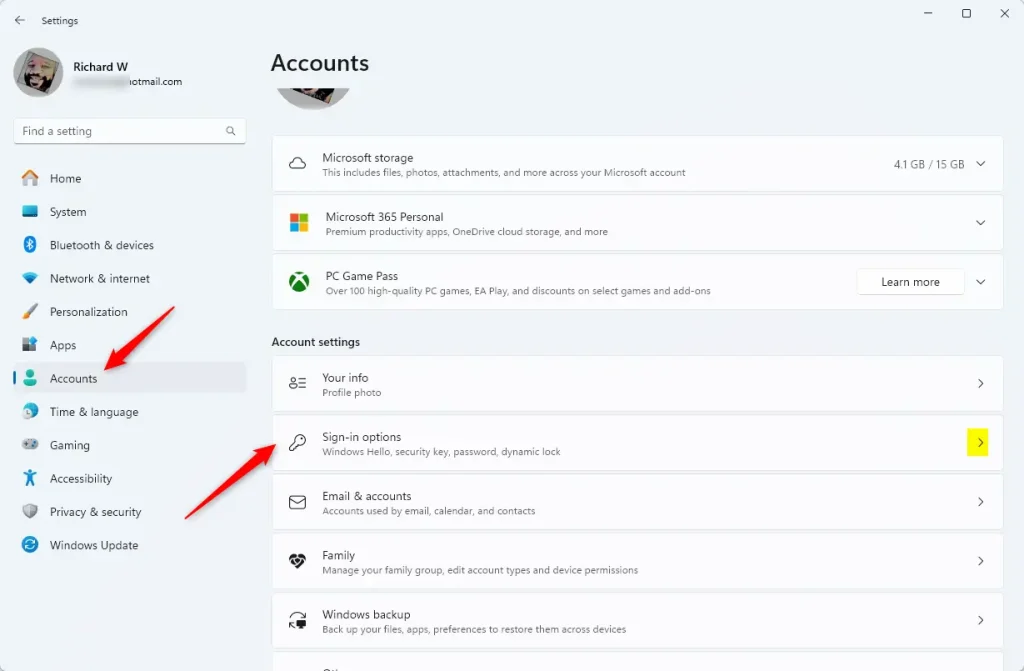
Go to Settings > Accounts > Sign-in options. Under Additional settings, choose how often Windows should require you to sign in again after being away. You can select a time frame or choose “Never” for immediate access.
Why do this?
Why would you want to change this setting? It’s primarily a security feature. It prevents unauthorized access to your files if you walk away. By requiring a password, PIN, or Windows Hello, Windows ensures only you can resume your session.
What happens when done?
If you set this to “Never,” your PC goes straight to the desktop upon waking. This is convenient for home users but removes a layer of protection in public or office environments.
Comparison: When to Enable vs. Disable
| User Persona | Recommended Setting | Reasoning |
|---|---|---|
| Home User | Disable (Optional) | Convenience in a private space. |
| Enterprise/Office | Enable | Compliance and data security. |
| Public/Shared PC | Enable | Prevents unauthorized access. |
How to Change Sign-in Settings
Changing your Windows 11 sign-in on wake settings is simple and can be done right from the Settings app. You’ll want to go to Accounts, then Sign-in options, and look for the setting that asks when Windows should require you to sign in again after being away.
1. Press Windows key + I to open Settings.
2. Go to Accounts > Sign-in options.
3. Under Additional settings, find “If you’ve been away, when should Windows require you to sign in again?”
4. Select your preferred time or “Never.”
Advanced Configuration Methods
Registry Editor (Admin Required)
You can force this setting via the registry. Warning: Incorrect changes can cause system issues.
HKEY_LOCAL_MACHINE\SOFTWARE\Policies\Microsoft\Windows\Personalization\NoLockScreen
Group Policy Editor (Admin Required)
For PCs connected to a work or school network (domain-joined), you can use the Group Policy Editor (gpedit.msc). Navigate to Computer Configuration > Administrative Templates > System > Power Management > Sleep Settings to configure “Require a password when a computer wakes (plugged in).”
Troubleshooting and Edge Cases
If the option is greyed out, it is likely managed by your organization’s Group Policy. Additionally, ensure Dynamic Lock is not interfering with your sleep timeout preferences.
Summary
Managing your Windows 11 sign-in on wake settings balances security and speed. Whether using the Settings app or advanced tools like GPO, ensure your choice matches your environment’s security needs.
Why is the ‘Require sign-in’ option greyed out?
This usually happens because your PC is managed by an organization or school. Their Group Policy settings override local user preferences to ensure security compliance. You may need to contact your IT administrator to change this setting if you are on a domain-joined machine.
Was this guide helpful?

About the Author
Richard
Tech Writer, IT Professional
Richard, a writer for Geek Rewind, is a tech enthusiast who loves breaking down complex IT topics into simple, easy-to-understand ideas. With years of hands-on experience in system administration and enterprise IT operations, he’s developed a knack for offering practical tips and solutions. Richard aims to make technology more accessible and actionable. He's deeply committed to the Geek Rewind community, always ready to answer questions and engage in discussions.




No comments yet — be the first to share your thoughts!