How to Disable IPV6 on Windows 11

If you’re facing network hiccups or need to set up specific network configurations on your Windows 11 PC, you might need to disable IPv6.
IPv6, the sixth version of the Internet Protocol, offers a much larger address space than its predecessor, IPv4. Windows 11 includes IPv6 enabled by default.
This tutorial will show you how to disable IPv6 on your Windows 11 PC.
You disable IPv6 by right-clicking the network icon, selecting Network and internet settings, then your adapter, and unchecking “Internet Protocol Version 6 (TCP/IPv6)”. Alternatively, use PowerShell or the Registry Editor for more advanced control. Restart your computer after making changes.
Why disable or change IPv6?
Some people prefer to use the older IPv4 protocol instead. Others want to turn off IPv6 tunnel interfaces that automatically connect when your computer detects certain network conditions. Disabling IPv6 completely isn’t recommended, but you have options to control how it works.
Understanding IPv6 settings
IPv6 settings are stored in the Windows registry at this location:
HKEY_LOCAL_MACHINE\SYSTEM\CurrentControlSet\Services\Tcpip6\ParametersThe setting you need to change is called DisabledComponents. It uses a numbering system called hexadecimal to control different IPv6 features.
IPv6 options and what they do
Prefer IPv4 over IPv6
You can tell Windows 11 to use the older IPv4 connection first instead of the newer IPv6. This is a good middle ground if you don’t want to completely turn off IPv6 but still want to ensure your computer uses the most compatible connection.
Recommended: This is the best option instead of completely disabling IPv6.
To confirm this is working, follow these steps:
- Open Command Prompt or PowerShell
- Type:
ping bing.com - Look at the response. If IPv4 is preferred, you should see an IPv4 address returned
You can also check network settings by running:
netsh interface ipv6 show prefixpoliciesLook for entries with higher precedence numbers. These will be preferred over lower numbers.
Disable IPv6 completely via Registry – Recommended
You can disable most of IPv6 by changing a special setting in the Windows Registry, which is often recommended over turning it off completely. This involves changing a value called ‘DisabledComponents’ to ‘0xFF’ to fully turn it off, though it will still run a little for system tasks.
⚠️ Admin Required: You need administrator rights to make these changes.
- Right-click on Command Prompt and select “Run as administrator“
- Type this command and replace with the number you want (like 0x20 or 0xFF):
reg add "HKEY_LOCAL_MACHINE\SYSTEM\CurrentControlSet\Services\Tcpip6\Parameters" /v DisabledComponents /t REG_DWORD /d 0xFF /f - Press Enter
Unbinding IPv6 from your network adapter – Not Recommended
What this means: You’re completely removing IPv6 from your network connection.
⚠️ Warning: We don’t recommend doing this. Windows works best with IPv6 enabled. Some programs and features need it.
If you still want to unbind IPv6, you have two options:
Option 1Using Network Settings
- Right-click on the network icon in your taskbar
- Select “Network and internet settings”
- Find your network adapter
- Uncheck “Internet Protocol Version 6 (TCP/IPv6)“
Option 2Using PowerShell
⚠️ Admin Required: Open PowerShell as administrator.
Replace <MyAdapter> with your network adapter name (like “Ethernet” or “ WiFi“):
Disable-NetAdapterBinding -Name "<MyAdapter>" -ComponentID ms_tcpip6IPv6 tunnel interfaces explained
IPv6 tunnel interfaces are like special tunnels that let the newer IPv6 internet language travel through the older IPv4 network. Windows creates these automatically when it thinks it needs them, using methods like 6to4, ISATAP, and Teredo to connect.
Why disable them? If you don’t need IPv6 or these automatic connections cause problems, you can turn them off.
The main tunneling methods are:
- 6to4 tunneling
- ISATAP
- Teredo
How to disable tunnel interfaces
Method 1Using the registry
You can turn off IPv6 tunnel interfaces using either the Windows Registry or Group Policy, but both require administrator access. For the registry, you change the ‘DisabledComponents’ value to ‘0x01’, and for Group Policy, you’ll find the setting under Network settings.
Set the DisabledComponents value to 0x01
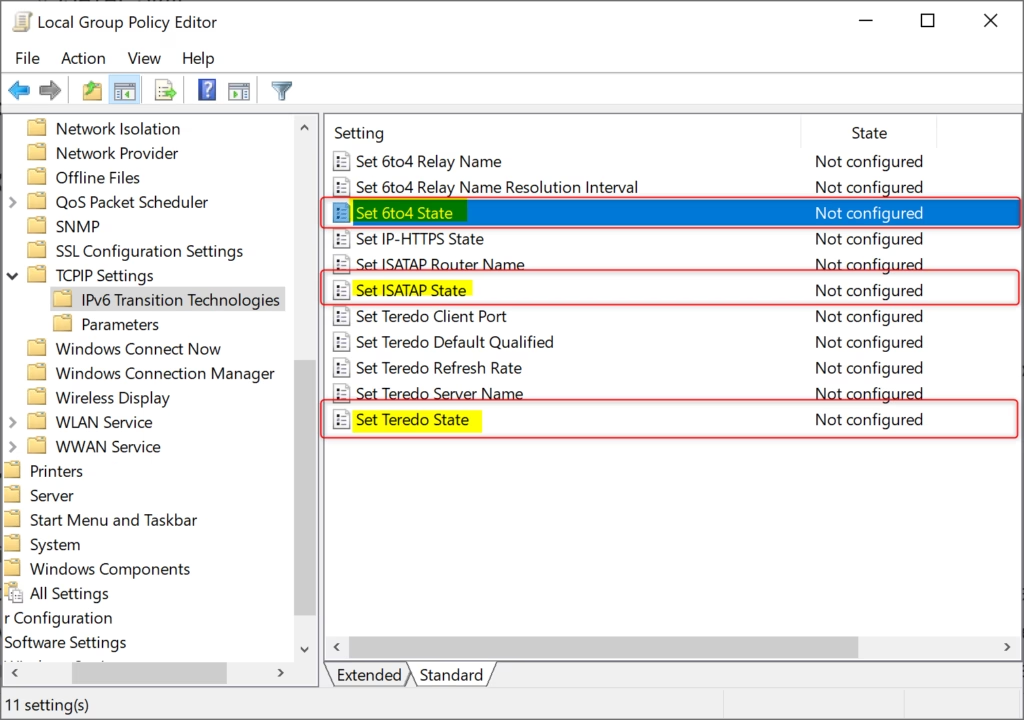
Method 2Using Group Policy (Windows Pro/Enterprise only)
You can turn off IPv6 tunnel interfaces using either the Windows Registry or Group Policy, but both require administrator access. For the registry, you change the ‘DisabledComponents’ value to ‘0x01’, and for Group Policy, you’ll find the setting under Network settings.
- Press Windows key + R
- Type
gpdit.mscand press Enter - Navigate to:
Computer Configuration\Administrative Templates\Network\TCPIP Settings\IPv6 Transition Technologies - Set the following to “Disabled”:
- 6to4 State
- ISATAP State
- Teredo State
Note: ISATAP and Teredo are already disabled by default in Windows 11.
Important things to remember
When you change the registry to disable IPv6, it doesn’t affect the checkbox you see in network settings, as they work separately. It’s also important to know that you can’t truly disable IPv6 completely because it’s needed for some internal system tasks.- Changing the DisabledComponents registry setting doesn’t change the checkbox in network properties. The checkbox and the registry setting work separately.
- You cannot completely disable IPv6. It runs internally for system tasks.
- Disabling IPv6 incorrectly (using 0xffffffff instead of 0xff) can delay your computer startup by five seconds.
- Some programs and features expect IPv6 to work properly.
Summary
Windows 11 has IPv6 turned on by default, but you can manage it using the ‘DisabledComponents’ registry setting. The best method is usually to prefer IPv4 (using value 0x20) rather than disabling IPv6 entirely, and you need admin rights to make these changes.
Should I disable IPv6 in 🪟 Windows 11?
Generally, you should not disable IPv6 in Windows 11 as it is a core component of modern networking. If you are experiencing connectivity issues, it is better to prioritize IPv4 over IPv6 using registry settings rather than disabling the protocol entirely, which can cause unexpected system errors or network instability.
Is disabling IPv6 a bad idea?
Yes, it’s generally a bad idea to disable IPv6 on Windows 11 because many newer parts of Windows and network services need it to work right. Turning it off can cause problems with how your computer runs, finding other devices on your network, and using new internet services.
What does disabling IPv6 mean?
Disabling IPv6 on Windows 11 means your computer stops using the newest internet language, forcing it to only use the older IPv4 standard for communication. This stops your system from using IPv6 addresses, which might stop some network features from working correctly.
Does Microsoft recommend disabling IPv6?
No, Microsoft does not recommend disabling IPv6 on Windows. They state that IPv6 is a required part of the operating system, and turning it off or messing with its parts could make some Windows features stop working properly.
Was this guide helpful?

About the Author
Richard
Tech Writer, IT Professional
Richard, a writer for Geek Rewind, is a tech enthusiast who loves breaking down complex IT topics into simple, easy-to-understand ideas. With years of hands-on experience in system administration and enterprise IT operations, he’s developed a knack for offering practical tips and solutions. Richard aims to make technology more accessible and actionable. He's deeply committed to the Geek Rewind community, always ready to answer questions and engage in discussions.




No comments yet — be the first to share your thoughts!