How to Pause and Resume OneDrive Sync on Windows 11


Pausing and resuming OneDrive sync on Windows 11 lets you temporarily stop or restart the automatic sharing of files between your computer and the cloud. You access this feature through the OneDrive cloud icon located in your system tray, which is the area near your clock on the taskbar.
This simple control prevents OneDrive from uploading or downloading files, which is helpful if you need to save internet data or boost performance for other online activities. For instance, you might pause sync when you’re gaming or streaming video to ensure a smoother experience.
When sync is paused, changes you make to files on your PC won’t update elsewhere until you choose to resume syncing. This feature gives you quick control over your internet connection.
Click the OneDrive icon in the System Tray, then click the gear icon, select Pause syncing, and choose a duration. To resume, click the OneDrive icon and select Resume syncing.
How to Identify the OneDrive Icon
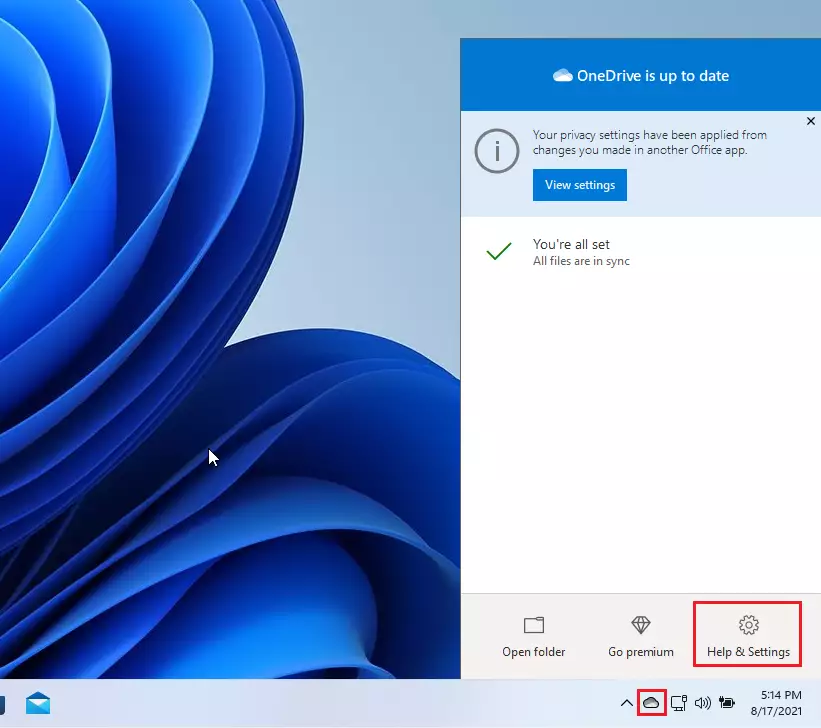
The OneDrive icon is found in the System Tray, typically located in the bottom right of your screen, near the clock.
How to Pause OneDrive Sync 🪟 Windows 11
You can pause OneDrive sync on Windows 11 to temporarily stop your files from updating without closing the app. Click the OneDrive cloud icon near the clock, then select the gear icon, and choose ‘Pause syncing’. You can pick how long you want syncing to pause, like for 2 hours, 8 hours, or 24 hours.
- Click the OneDrive icon in the System Tray.
- Click the Help & Settings gear icon.
- Select Pause syncing.
- Choose 2 hours, 8 hours, or 24 hours.
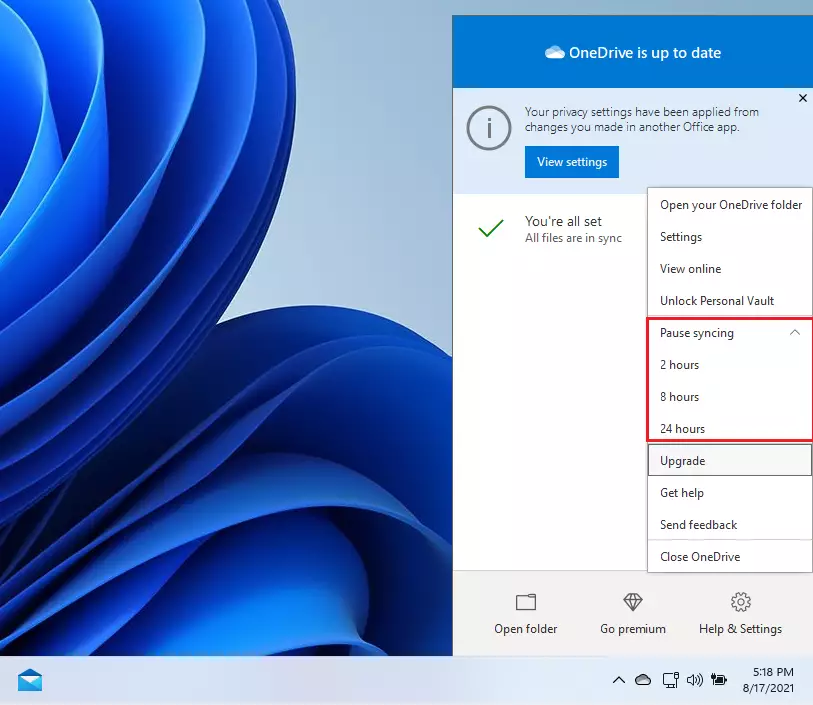
The OneDrive icon displays a pause symbol. Your files remain secure on your computer and in the cloud. File synchronization between your computer and cloud storage stops until you resume the process.
Temporary Pause vs. Quitting OneDrive
Pausing OneDrive sync stops your files from updating for a specific time, and OneDrive sync starts again automatically after that time is up. Quitting OneDrive completely closes the OneDrive app, and the OneDrive app won’t start again until you open it yourself. Use ‘Quit OneDrive’ if you need to stop syncing for a longer stretch, like overnight.
How to Resume Syncing
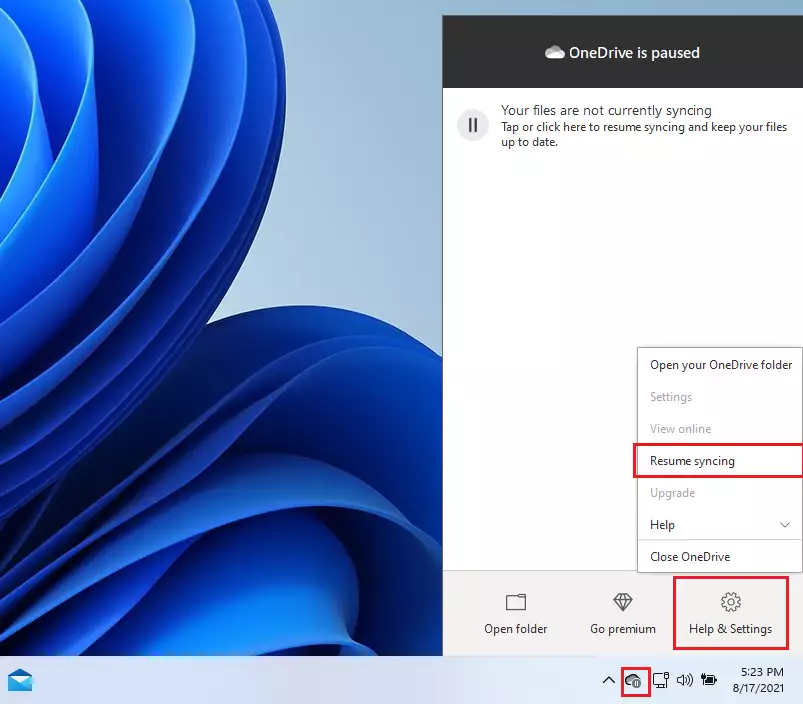
To start again, click the cloud icon and select Resume syncing. OneDrive will check for changes and update your files.
Troubleshooting Sync Issues
If sync is stuck, try these steps:
- Check your internet connection.
- Click the icon to see if there are specific file errors.
- If you need to remove your account, go to Settings > Account > Unlink this PC.
Note: Unlinking does not delete your files.
Summary
Pausing OneDrive sync on Windows 11 puts you in control of your internet and computer’s power usage. For example, pausing sync prevents large file uploads during critical work or gaming sessions. This feature helps manage bandwidth and ensures smoother performance of other applications.
Does pausing OneDrive sync delete my files?
No, pausing OneDrive does not delete your files. It simply stops the connection between your computer and the cloud. Your local files remain exactly where they are on your hard drive, and your cloud files remain safe on the server until you choose to resume the sync process.
Why does OneDrive keep resuming automatically?
OneDrive is designed to keep your data backed up. If you manually pause it, it will resume once the timer expires (2, 8, or 24 hours). If it resumes sooner, it may be due to a system restart or a change in network status that triggers the app to reconnect.
Was this guide helpful?

About the Author
Richard
Tech Writer, IT Professional
Richard, a writer for Geek Rewind, is a tech enthusiast who loves breaking down complex IT topics into simple, easy-to-understand ideas. With years of hands-on experience in system administration and enterprise IT operations, he’s developed a knack for offering practical tips and solutions. Richard aims to make technology more accessible and actionable. He's deeply committed to the Geek Rewind community, always ready to answer questions and engage in discussions.




I have Windows 11; When I open One Drive there is no place to Resume Sync when I go in to “help and settings”.
i am not able to see microsoft one drive i have also did settings in taskbar but icon is not coming ion taskbar
[…] can also pause OneDrive syncing temporarily if you are on a slow or mobile […]