
This tutorial shows you how to set default apps in Windows 11. Default apps open specific file types and links automatically when you use them.
Why This Matters
A default app is the program Windows uses to open a file or link type when you double-click it. For example, your default browser opens when you click a web link.
The defaults you choose only apply to your account. Other users on your computer won’t be affected.
What Happens When Done
After setting your defaults, Windows will automatically open files and links with the apps you selected.
Reference: Change Default Apps in Windows – Microsoft Support
Windows 11 build 23419 Starting with Windows 11, Microsoft updated the “Open with” dialog box to match Windows 11’s design. The dialog now respects light and dark themes. You can now change your default app with just one click.
URI scheme Microsoft added a new Settings link (ms-settings:) to help apps send you directly to the right location to change defaults.
Recent updates to Windows 11 (builds 22631.5549 and 26100.4484) include changes for setting browser defaults:
- New file and link types get set for the new default browser automatically
- The new default browser pins to the Taskbar and Start menu (unless you uncheck the boxes)
- There’s now a one-click button for browsers to change your .pdf default
Windows 11 builds 26120.4162 and later show recommendations from the Microsoft Store in the “Open with” dialog. These apps have a Store icon next to them.
In the latest builds (26220.7344 and later), apps from the Microsoft Store now appear directly in the Open With dialog. You don’t have to go to the Microsoft Store separately anymore.
Option One: Choose Default App Using the Context Menu
Why: This is the quickest way to set a default app for a single file.
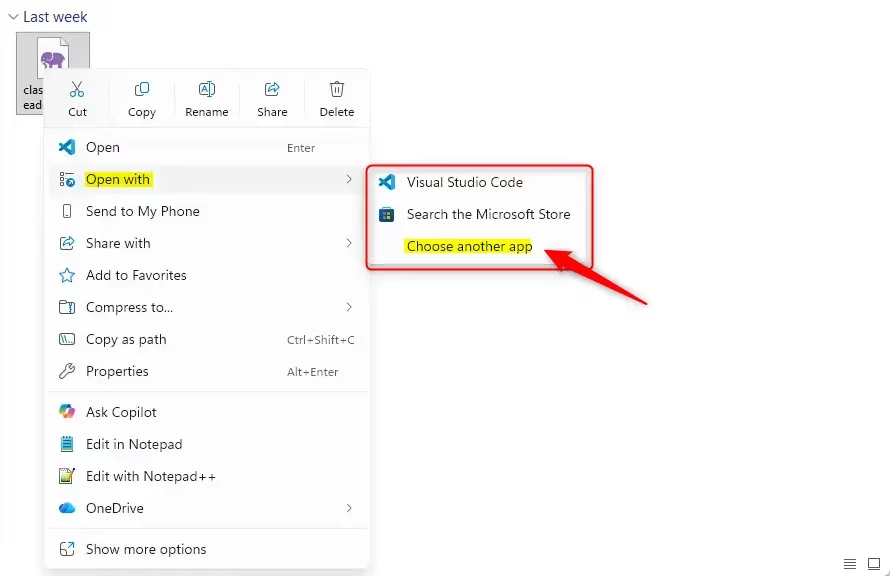
- Right-click or press and hold on a single file. Click Open with.
- Choose one of these options:
- If no default app exists, only Open with appears in the menu.
- Click an app (like Notepad) to open the file “Just once” with that app. Go to step 4.
- Click Choose another app and go to step 3.
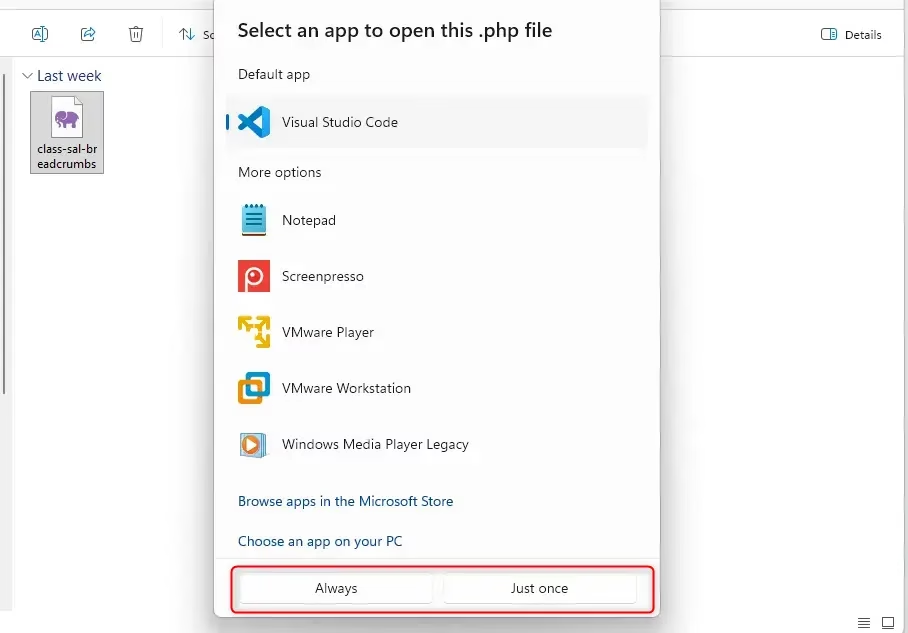
- Choose an app using one of these methods:
- If this file type already has a default app, you’ll see it listed under Default app.
- Select a listed app and click Always (to set as default) or Just once (to use once only).
- Click Browse apps in the Microsoft Store to find and install an app. Return to step 1 to select the new app.
- Click Choose an app on your PC. Browse for an app file (.exe, .pif, .com, .bat, or .cmd). Click Open, then click Always or Just once.
- The file now opens with the app you selected.
Option Two: Choose Default App Using File Properties
Why: This method gives you more details about the file before choosing an app.
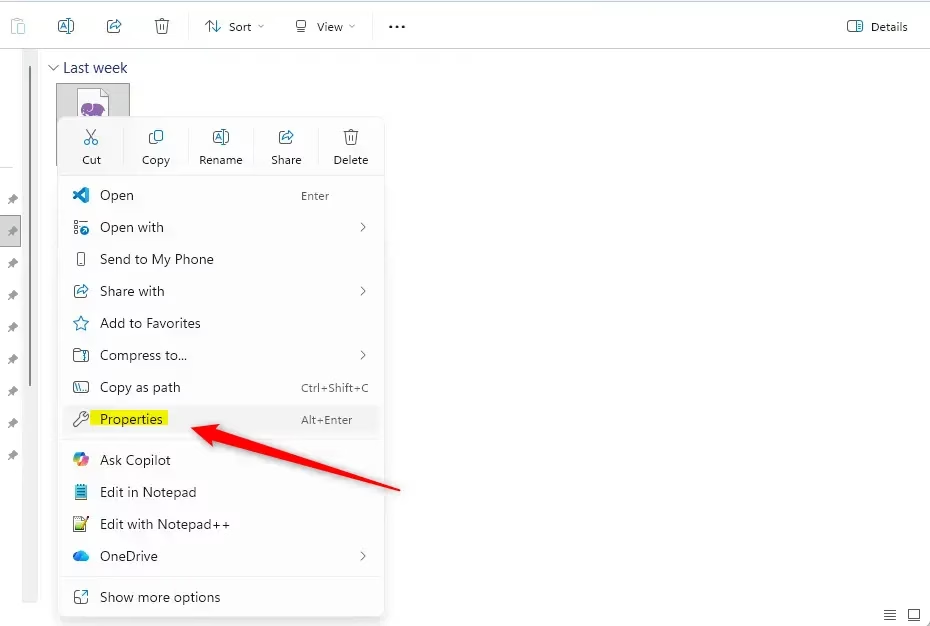
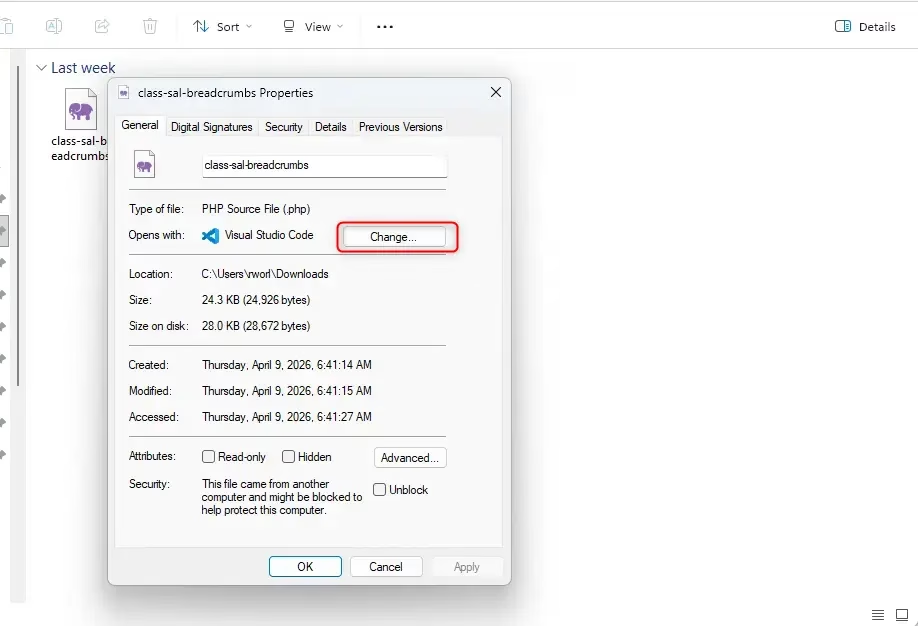
- Right-click or press and hold on a single file. Click Properties.
- In the General tab, click the Change button next to Opens with. If this file type has a default app, you’ll see it listed next to Opens with.
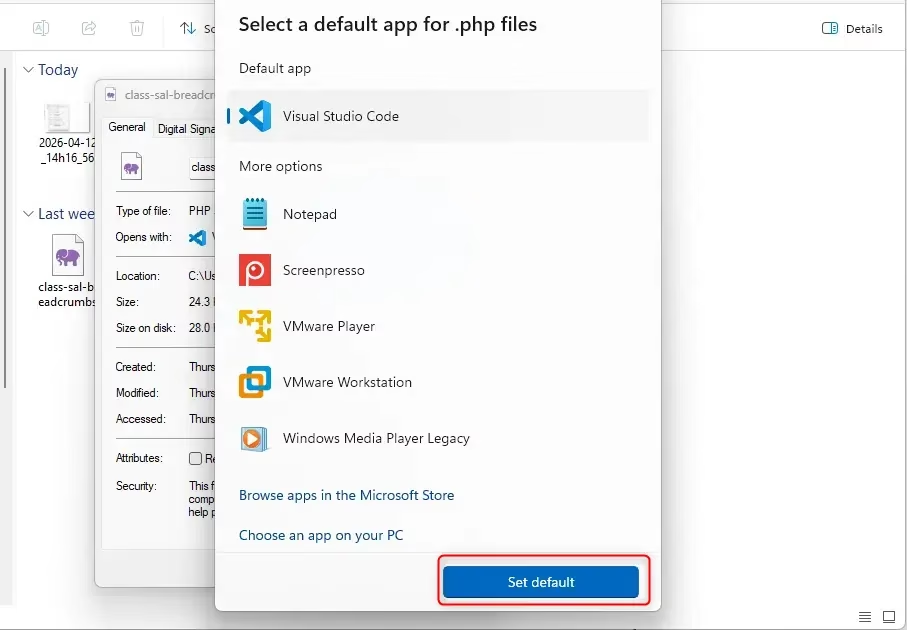
- Choose an app using one of these methods:
- If a default app already exists, you’ll see it listed under Default app.
- Select a listed app and click Set default to set it as the default app.
- Click Browse apps in the Microsoft Store to find and install an app from the Microsoft Store. Return to step 2 to select the new app.
- Click Choose an app on your PC. Browse for an app file (.exe, .pif, .com, .bat, or .cmd). Click Open, then click Set default.
Option Three: Choose Defaults by App in Settings
Why: This option lets you set all defaults for one app at once.
- Open Settings (press Win+I). Settings
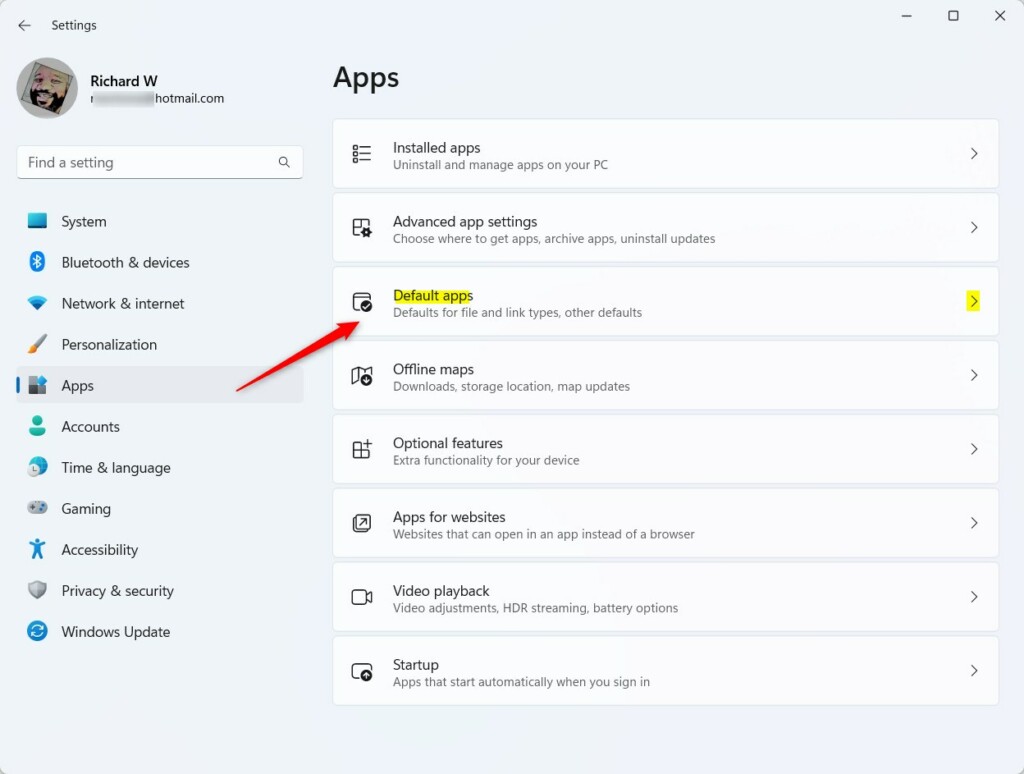
- Click Apps on the left, then click Default apps on the right. Open Default apps settings
- Search or scroll for the app (like Notepad) you want to set defaults for. Click it.
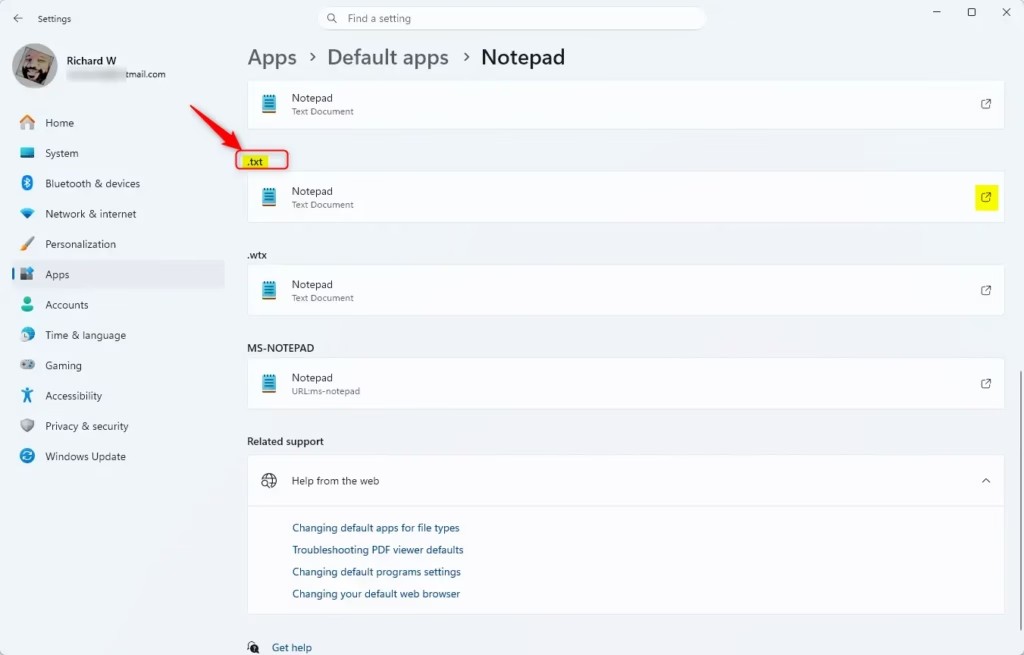
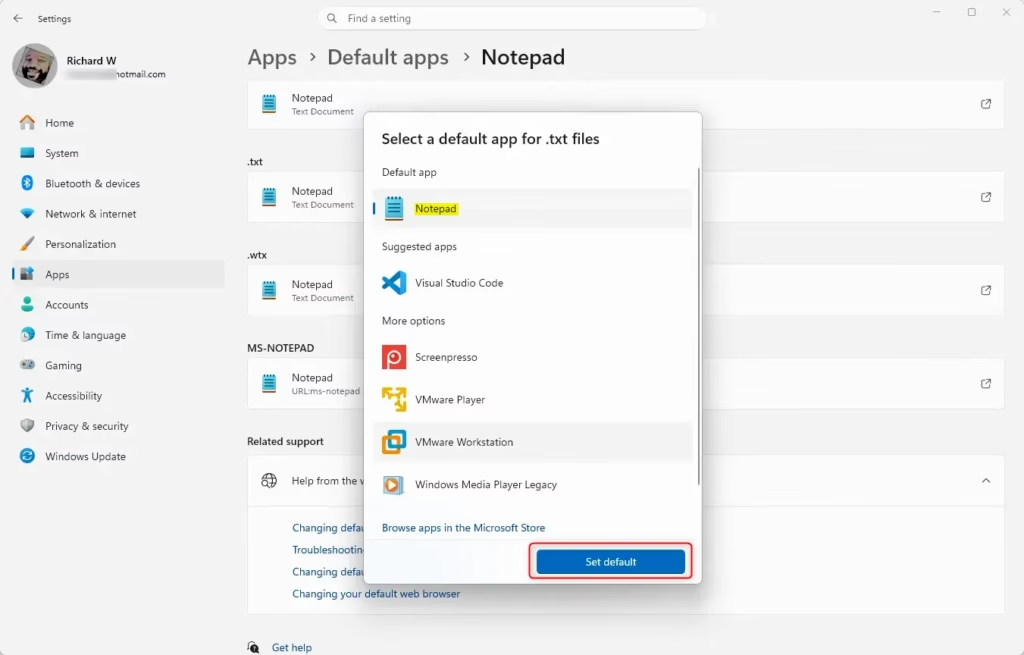
- Click the file or link type (like .txt) you want to set a default app for. The current default app for that type shows below the file type.
- Choose an app using one of these methods:
- If a default app already exists, you’ll see it listed under Default app.
- Select a listed app and click Set default.
- Click Browse apps in the Microsoft Store to find and install an app. Return to step 2 to select the new app.
- Click Choose an app on your PC. Browse for an app file (.exe, .pif, .com, .bat, or .cmd). Click Open, then click Set default.
- Close Settings when finished.
Option Four: Choose Defaults by File Type in Settings
Why: Use this when you want to change the default app for a specific file type.
- Open Settings (press Win+I).
- Click Apps on the left, then click Default apps on the right. Open Default apps settings
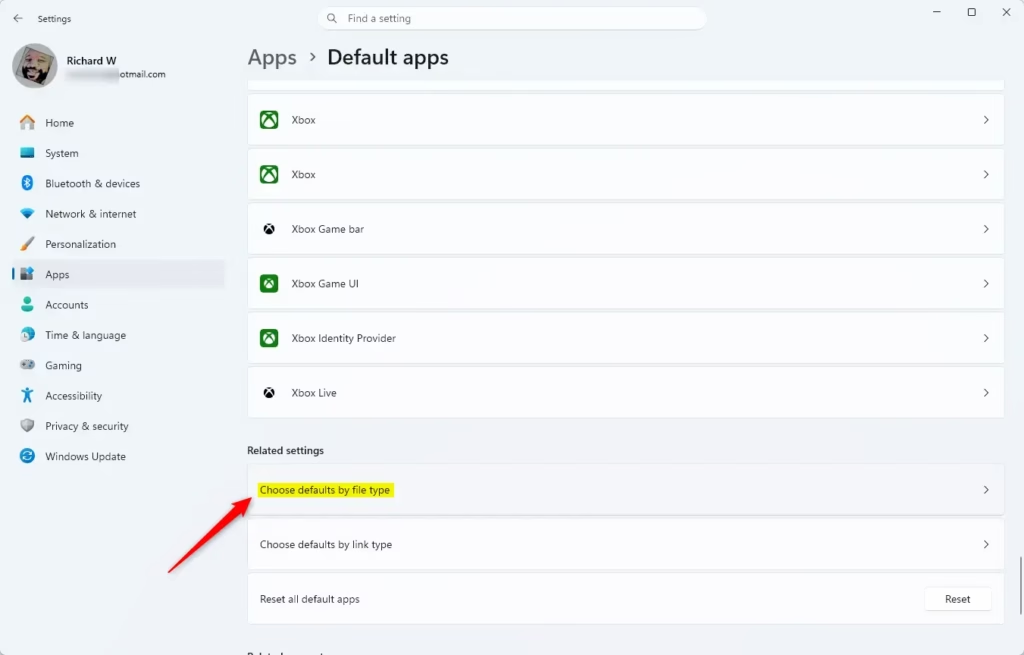
- Click Choose defaults by file type at the bottom of the right side.
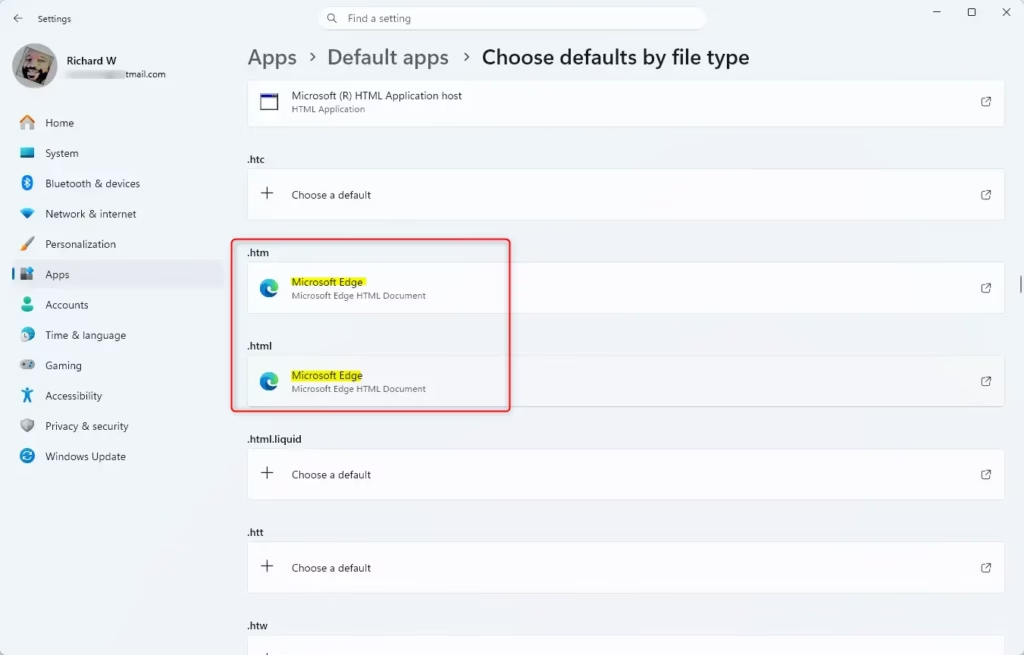
- Search or scroll for a file type (like .txt).
- Choose an app using one of these methods:
- If a default app already exists, you’ll see it listed under Default app.
- Select a listed app and click Set default.
- Click Browse apps in the Microsoft Store to find and install an app. Return to step 4 to select the new app.
- Click Choose an app on your PC. Browse for an app file (.exe, .pif, .com, .bat, or .cmd). Click Open, then click Set default.
- Close Settings when finished.
Option Five: Choose Defaults by Link Type in Settings
- Open Settings (press Win+I). Settings
- Click Apps on the left, then click Default apps on the right. Open Default apps settings
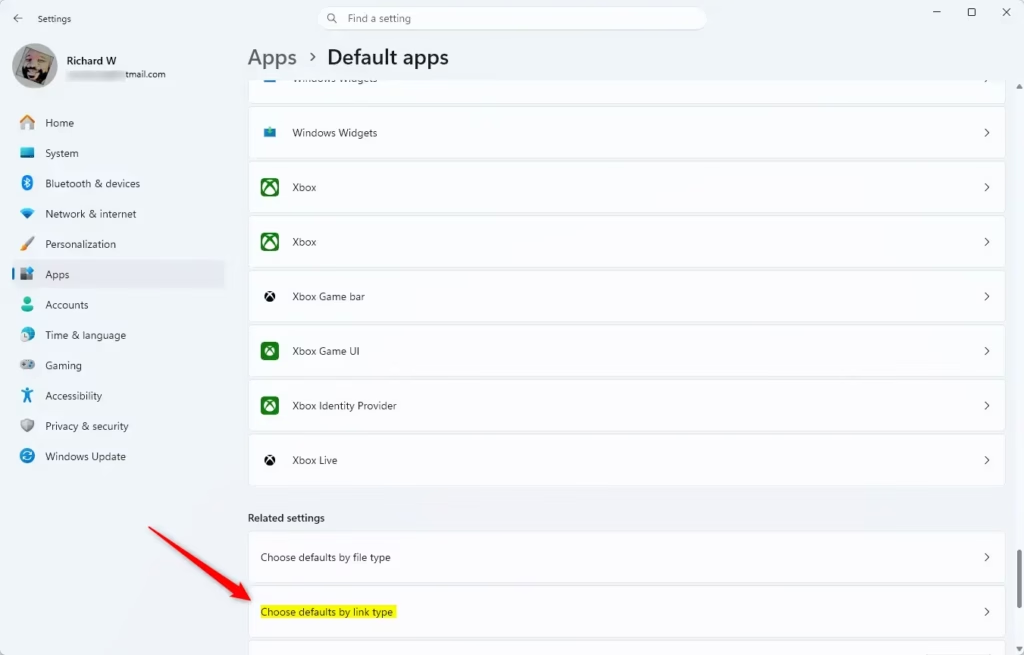
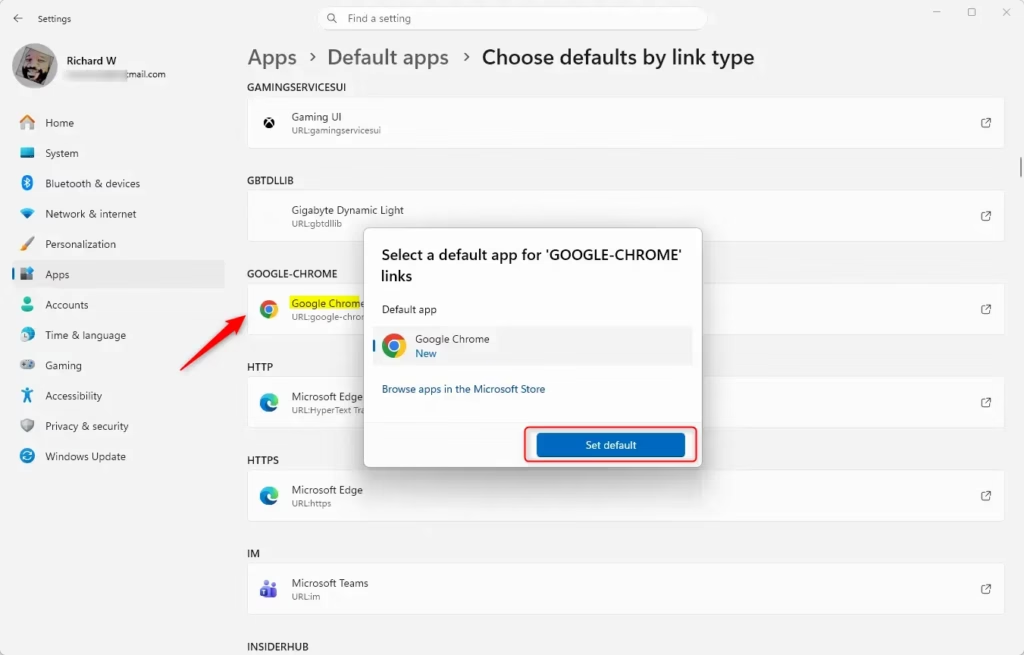
- Click Choose defaults by link type towards the bottom of the right side.
- Search or scroll for a link type (for example: “MAILTO”) you want to choose defaults for, and click on the link type (for example: “MAILTO”). The current default app (for example: “Mail”) for a link type will show under the link type.
- Perform one of the following actions to select an app:
- If this link type has a default app currently assigned to it, the default app (for example: “Notepad”) will show under Default app.
- Select a listed app to open the file with, and click Set default to open with and set as default app.
- Click Browse apps in the Microsoft Store to select, download, and install an app from the Microsoft Store. You will need to go back to step 2 to select the new app from the Microsoft Store.
- When finished, you can close Settings if you like.
Option Six: Choose Default Web Browser in Settings
Starting with Windows 11 build 26120.4520 (Beta 24H2) and build 26200.5670 (Dev 25H2), in addition to the small changes that we made in the EEA region for default browsers via Settings > Apps > Default apps with Build 26120.4151 (Beta 24H2) and Build 26200.5603 (Dev 24H2), Microsoft is also making this change:
The new default browser will be pinned to the Taskbar and Start menu unless you choose not to pin it by clearing the checkboxes.
- Open Settings (press Win+I). Settings
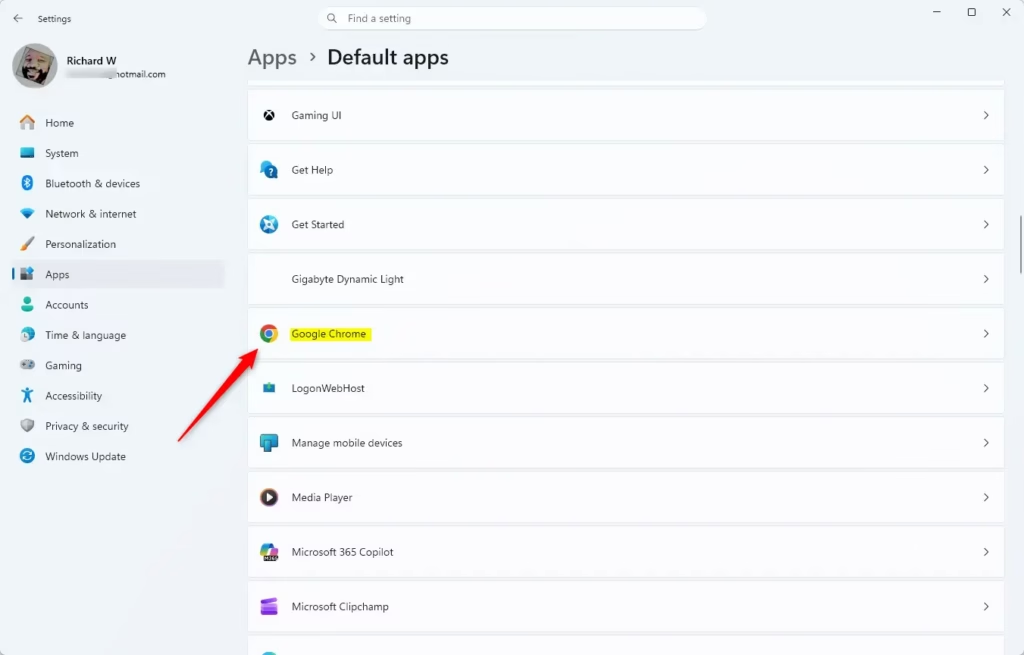
- Click Apps on the left, then click Default apps on the right. Open Default apps settings
- Click on the web browser (for example: “Google Chrome”, “Mozilla Firefox”, “Microsoft Edge”, etc.) you want to set as the default web browser.
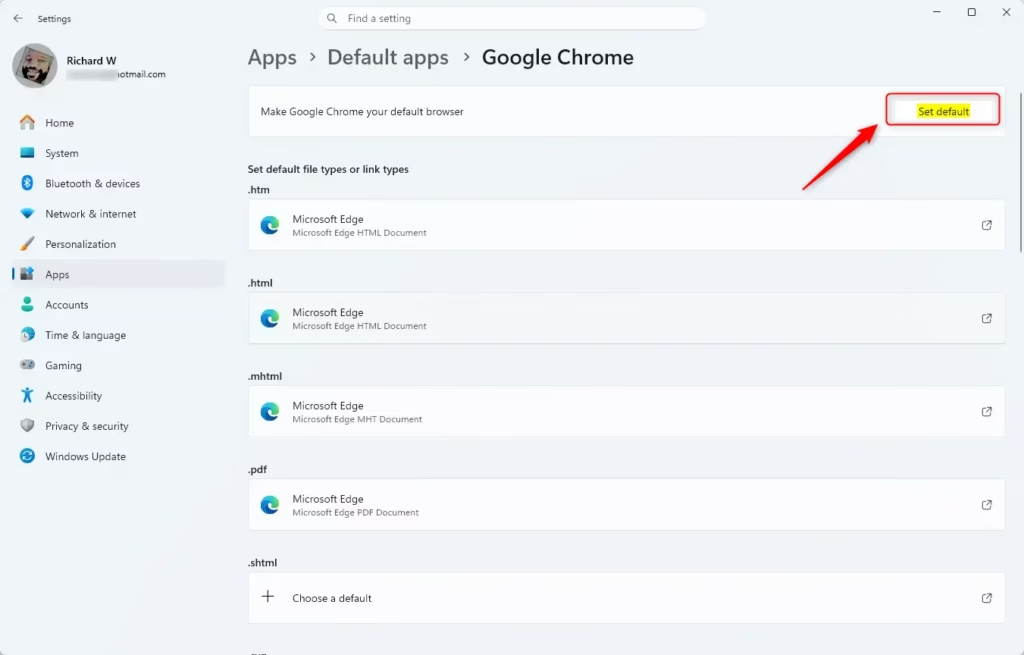
- Click the Set default button at the top. You will see a check mark indicating it has been set as the default web browser for your account.
- You can now close Settings if you like.
Summary
Windows 11 gives you several ways to choose which apps open your files and links by default. You can right-click a file to change its default app quickly, or you can use the Settings app to change all defaults for one app at once. You can also change defaults by file type or link type. The method you choose depends on whether you want to change one file or manage all your defaults in one place. Once you set your defaults, Windows will remember your choices and open files and links with the apps you selected.
Leave a Reply Cancel reply